How to Pass CEH v13 and CEH Practical First Time: A Study Roadmap
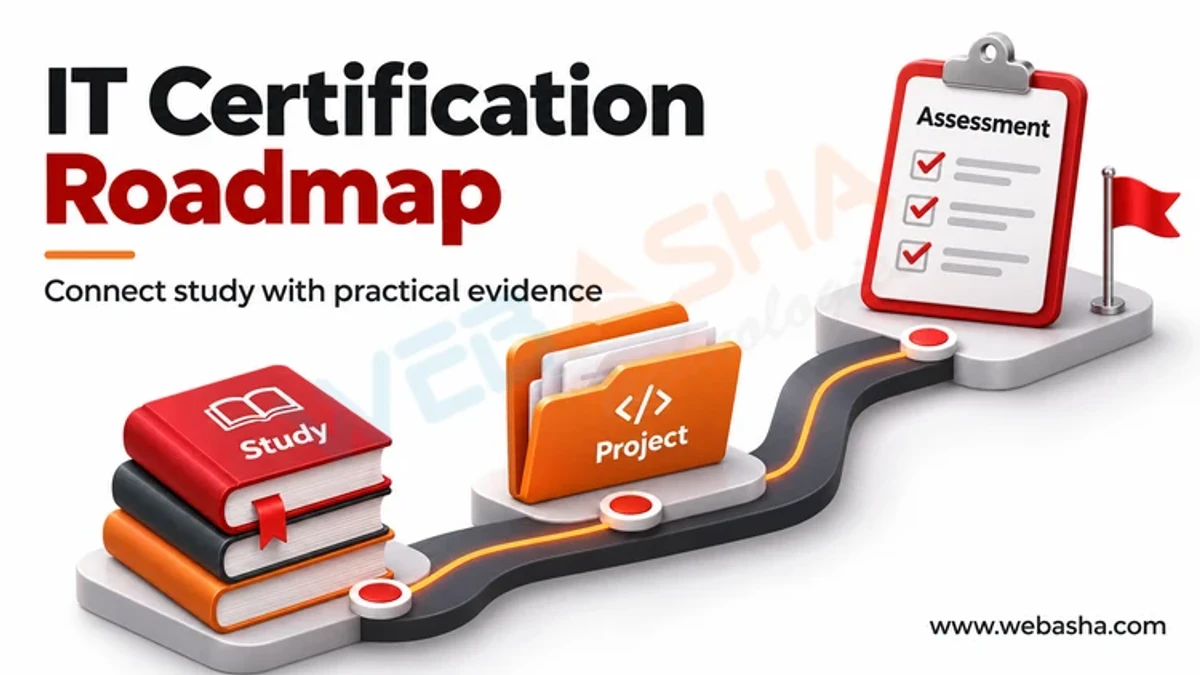
Candidates who pass CEH v13 and the CEH Practical on the first attempt usually follow a structured plan of roughly 10 to 12 weeks. They build networking and operating system basics first, study each CEH module with matching labs, move to timed mock exams, then spend the final weeks on hands-on challenge practice for the 6-hour, 20-challenge Practical.
Topic: Ethical Hacking in Cybersecurity & Ethical Hacking · Certification preparation
Quick answer: Candidates who pass CEH v13 and the CEH Practical on the first attempt usually follow a structured plan of roughly 10 to 12 weeks. They build networking and operating system basics first, study each CEH module with matching labs, move to timed mock exams, then spend the final weeks on hands-on challenge practice for the 6-hour, 20-challenge Practical. The knowledge exam is 125 multiple-choice questions over 4 hours, and EC-Council sets the pass mark between 60 and 85 percent by exam form. This roadmap explains each phase, the habits that help, and how to measure readiness.
Key takeaways
- A phased plan beats unplanned reading.
- Pair every theory module with a lab.
- Use mock scores to decide when to book the exam.
- The Practical rewards speed and organised notes.
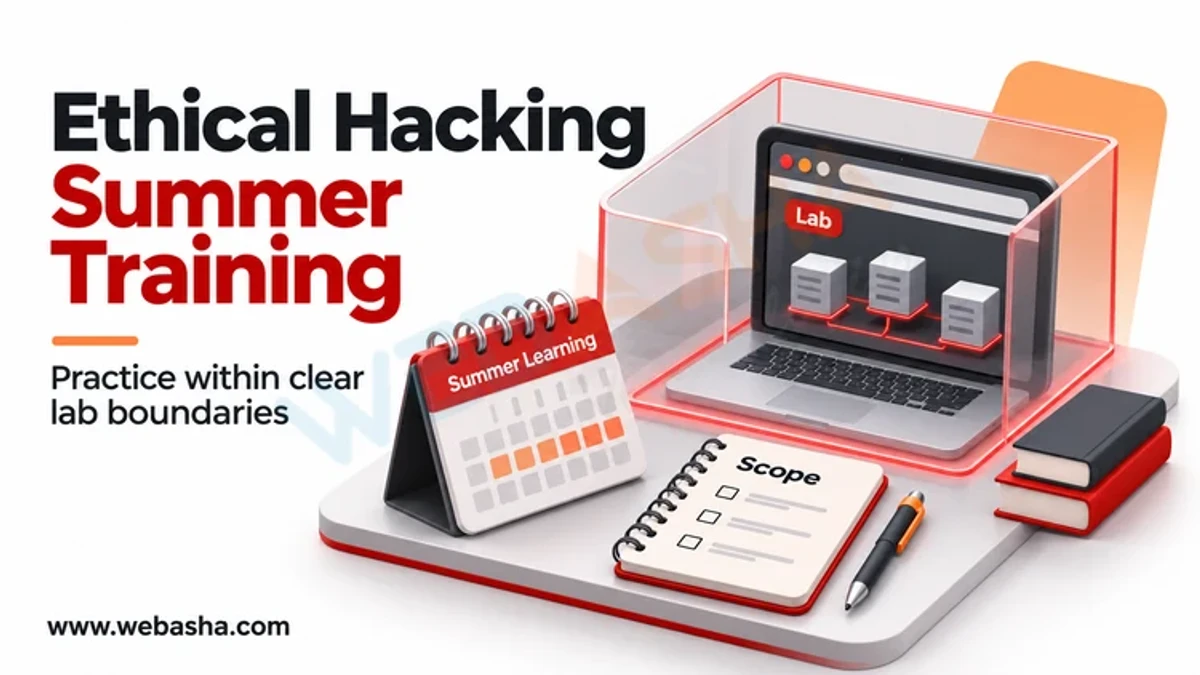
- Only practise on lab systems or with written permission.
Table of Contents
- What Do the Two CEH Exams Test?
- What Should You Know Before Starting?
- What Does a 12-Week Roadmap Look Like?
- Which Study Habits Help Most?
- How Do You Know You Are Ready?
- How Should You Prepare for the Practical?
- What Legal Rules Apply to Practice?
- References
What Do the Two CEH Exams Test?
| Exam | Format | Focus |
|---|---|---|
| CEH knowledge | 125 multiple choice, 4 hours | Concepts, tools and scenarios across all modules |
| CEH Practical | 20 challenges, 6 hours, iLabs | Scanning, vulnerability detection, web and system weaknesses |
Details are from the EC-Council CEH page. Passing both earns CEH Master.
What Should You Know Before Starting?
- TCP/IP, ports, DNS and HTTP.
- Basic Linux and Windows command line.
- How web applications handle input and sessions.
- Virtual machines, so you can run a safe home lab.
If these are new, add two to four weeks of fundamentals first. Many learners find this saves time later.
What Does a 12-Week Roadmap Look Like?
| Weeks | Focus | Goal |
|---|---|---|
| 1 to 2 | Footprinting, scanning, enumeration | Understand recon and how it is detected |
| 3 to 4 | Vulnerability analysis, system weaknesses, malware concepts | Link findings to fixes |
| 5 to 6 | Sniffing, social engineering, denial of service, session risks | Know the defences for each |
| 7 to 8 | Web servers, web apps, SQL injection concepts, wireless | Use the OWASP testing guide as reference |
| 9 | Mobile, IoT and OT, cloud, cryptography | Close coverage gaps |
| 10 | Timed mock exams | Scores above the top of the cut range |
| 11 to 12 | Practical challenge drills | Finish lab sets inside the time limit |
The OWASP Web Security Testing Guide and MITRE ATT&CK help you connect each technique with detection and mitigation.
Which Study Habits Help Most?
- Study in short daily sessions rather than rare long ones.
- After each module, write a one-page summary in your own words.
- Keep an error log of mock questions you got wrong.
- Repeat labs until you can do them without notes.
- Explain a topic aloud; gaps show up quickly.
For every attack technique you study, write down three things: what the attacker gains, what evidence it leaves in logs or network traffic, and which control prevents or limits it. This defender view makes scenario questions easier, because many CEH questions ask which countermeasure fits a situation. It also turns exam study into skills that security operations and testing teams use every day.
How Do You Know You Are Ready?
Because EC-Council does not publish which cut score your form will use, aim to score comfortably above 85 percent on several different mock exams before booking. Check that no module is far below the rest. For exam-day techniques such as time budgeting and flagging questions, read our CEH v13 and Practical exam tips.
How Should You Prepare for the Practical?
- Work through full lab sets against the clock.
- Use a fixed note template: target, service, finding, evidence, answer.
- Practise reading output carefully, since answers often hide in details.
- Skip a stuck challenge and come back later.
Drill with our CEH Practical practice questions.
What Legal Rules Apply to Practice?
Use only your own lab or systems you have written authorisation to test. In India, unauthorised access can breach the IT Act 2000, Sections 43 and 66. NIST SP 800-115 shows how professional tests are scoped and reported, and CERT-In publishes advisories worth following. To see where CEH fits in a career, explore the NICE Framework and the CISA Cyber Career Pathways Tool.
WebAsha Technologies offers instructor-led preparation; ask about our CEH v13 training.
References
Frequently Asked Questions
What's Your Reaction?
 Like
0
 Dislike
0
 Love
0
 Funny
0
 Wow
0
 Sad
0
 Angry
0

With a passion for staying on the cutting edge of technology trends, I am dedicated to delivering content that not only informs but also inspires. Whether you need in-depth analysis pieces, informative guides, or thought-provoking opinion pieces, I craft content that resonates with tech enthusiasts and professionals alike.