Welcome!

Unlock your personalized experience.
Sign Up
Artificial Intelligence & Machine Learning

Deep Learning & Neural Networks

Explore deep learning concepts and neural network architectures like CNNs, RNNs, and GANs, along with practical implementation guides.

11 posts

History of AI: From Turing to Deep Learning and Generative AI

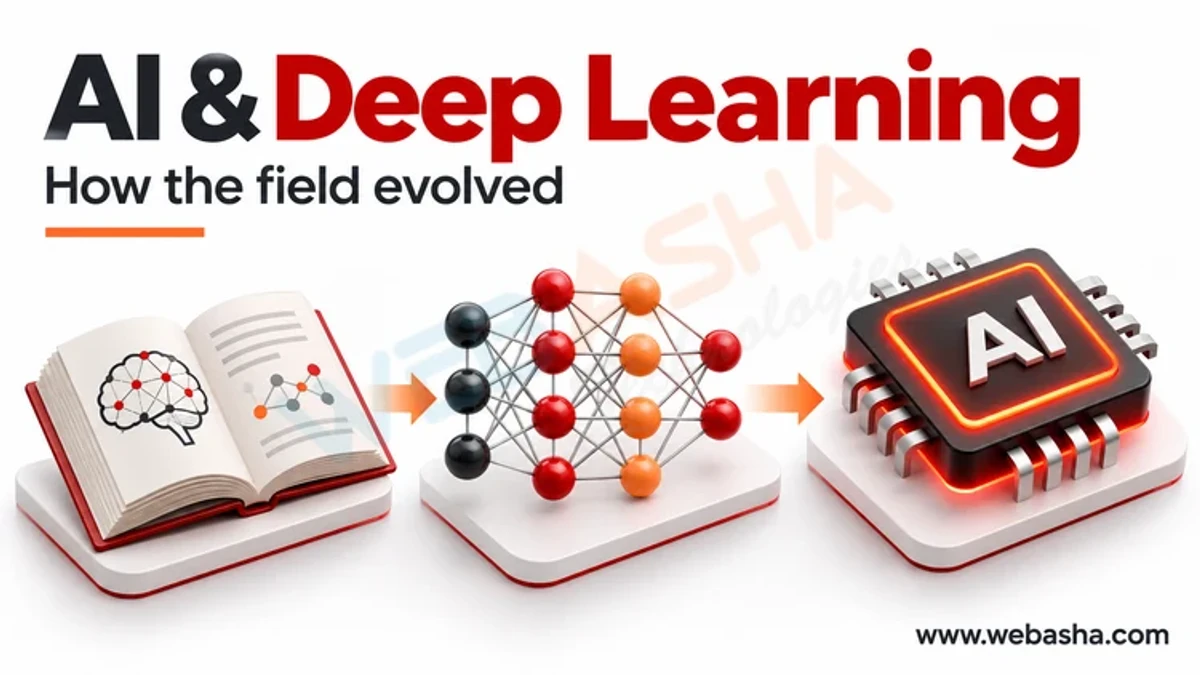
Artificial intelligence began as a research field in the 1950s, with Alan Turing's 1950 paper on machine intelligence and the 1956 Dartmouth workshop that named the field. Early work focused on symbolic reasoning and rules, leading to expert systems in the 1980s, with periods of reduced funding called "AI winters" in between.


How to Learn Machine Learning: A Practical Roadmap with Projects

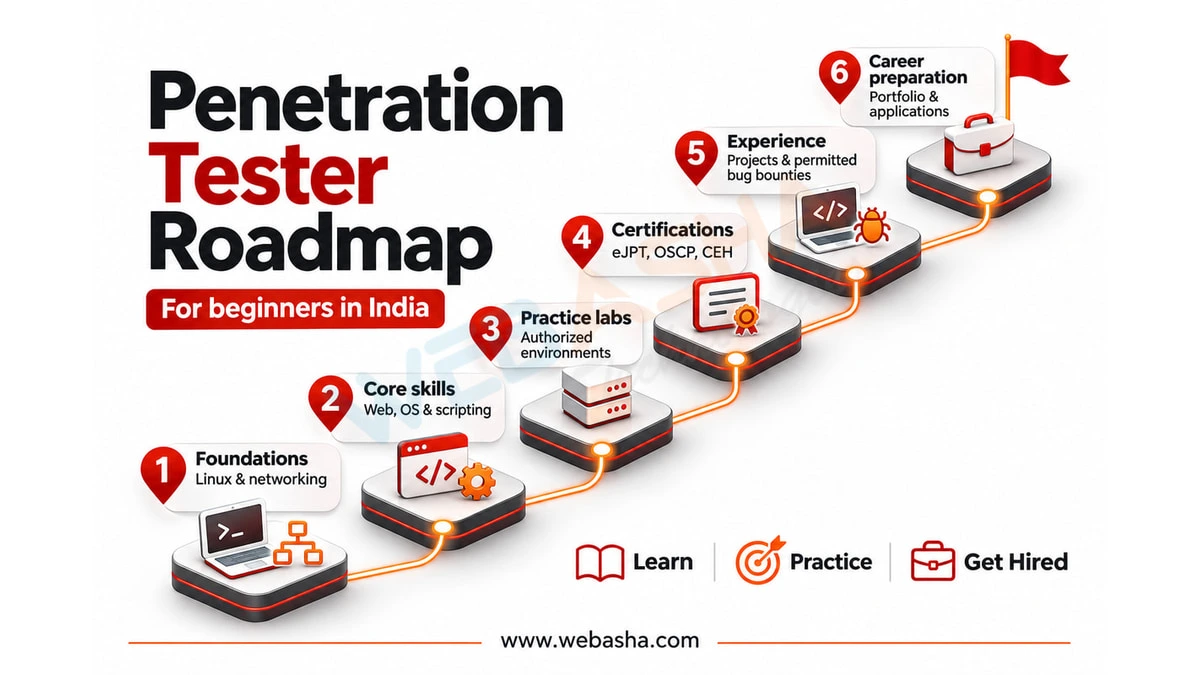
The most effective way to learn machine learning is in stages, building something at each one. Start with Python and the maths that matters most (linear algebra, probability and basic calculus). Then learn core algorithms with scikit-learn, focusing on how to split data, avoid overfitting and evaluate models honestly. Move on to deep learning with PyTorch, and finally learn to deploy and monitor models.

The Role of AI and Machine Learning in Modern Networking

AI and machine learning help network teams turn huge volumes of telemetry, such as interface metrics, flow records, logs and Wi-Fi data, into useful actions. Common uses are spotting anomalies and possible attacks, predicting failing links or devices, speeding up root cause analysis, optimising Wi-Fi channels and traffic paths, and forecasting capacity.

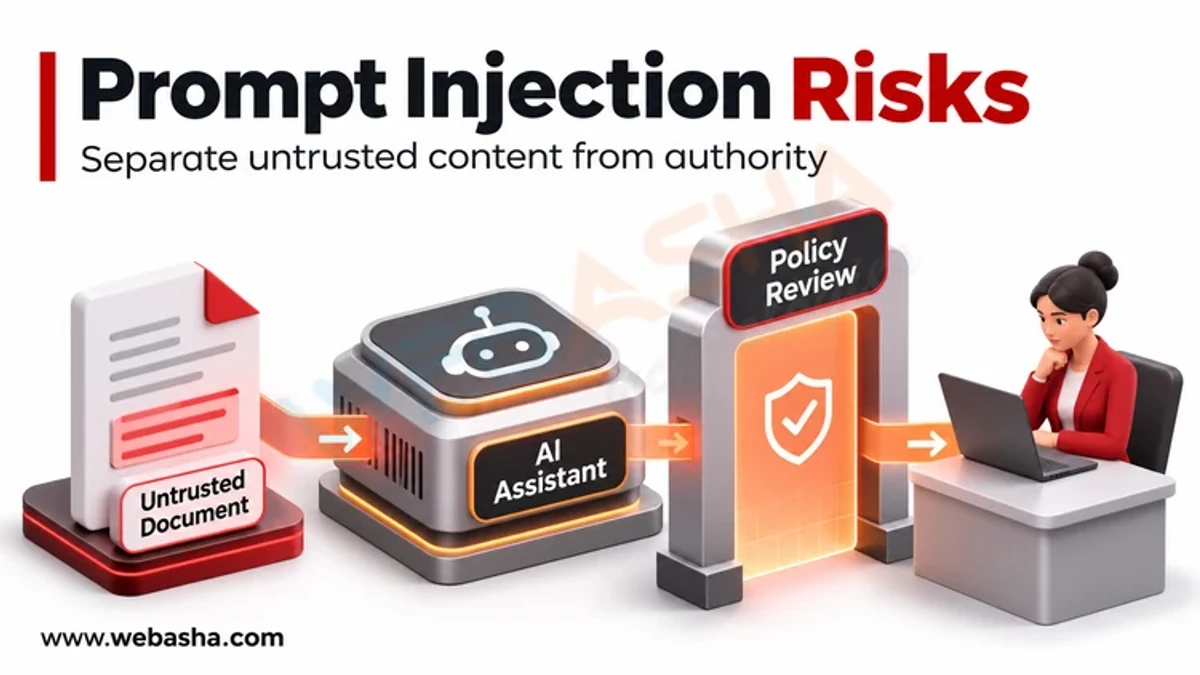
When an AI Assistant Turns Against You: Prompt Injection Privacy Risks

An AI assistant can be turned against you through prompt injection: hidden instructions inside an email, web page, calendar invite or document that the assistant reads and then follows as if you had asked. OWASP ranks prompt injection first (LLM01) in its 2025 Top 10 for LLM applications. The privacy risk grows with access.

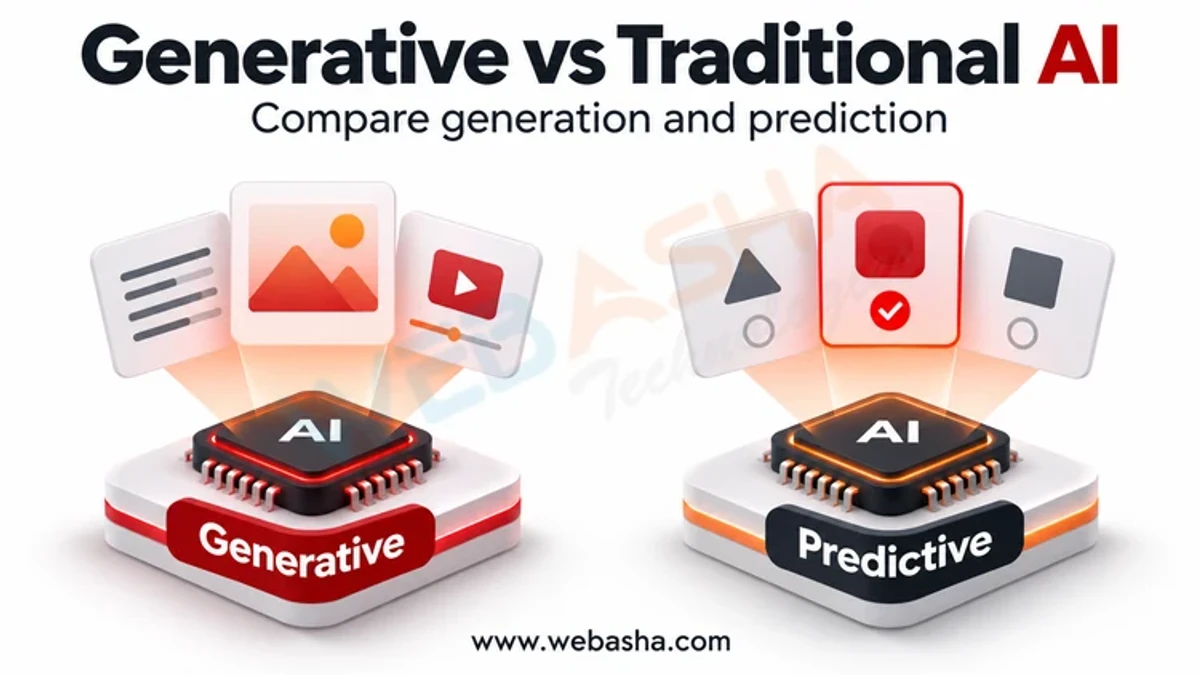
Generative AI vs Traditional AI: The Real Difference Explained

Traditional AI, often called predictive or discriminative AI, learns from labelled examples to classify, score or forecast within a defined task, such as flagging spam, scoring loan risk or detecting fraud. Generative AI learns patterns from very large datasets and produces new content such as text, images, code or audio. Traditional models give a label or a number you can measure against ground truth.

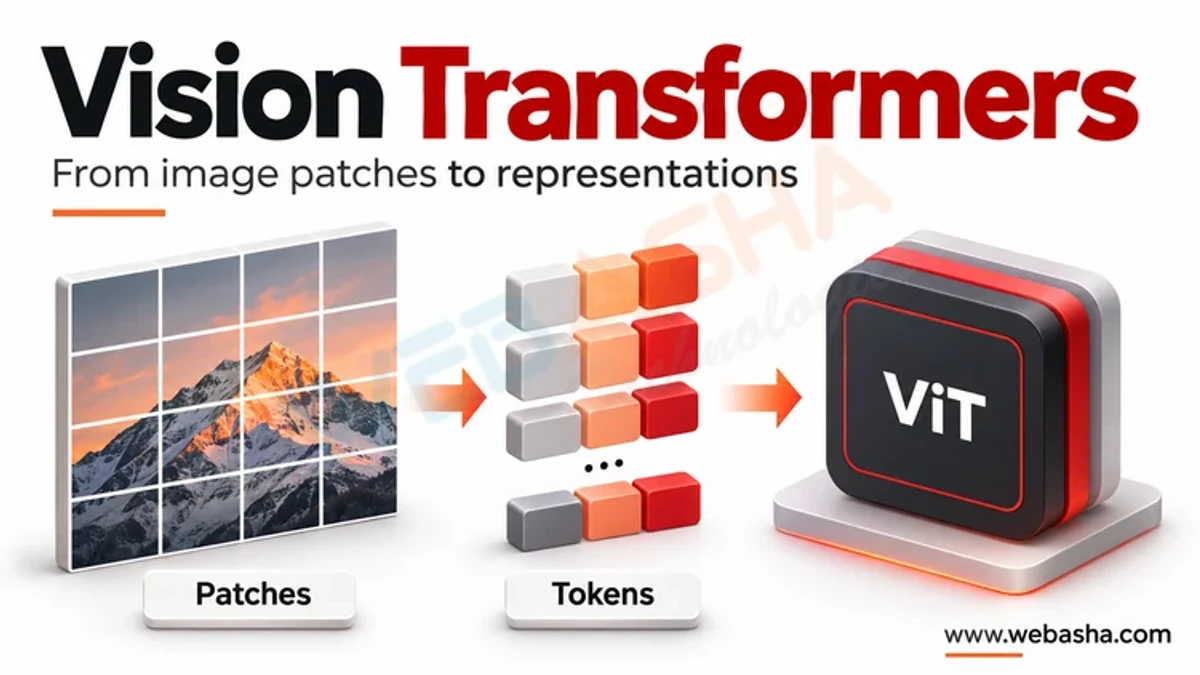
What Is a Vision Transformer (ViT)? Explained Simply for Beginners

A Vision Transformer (ViT) is an image recognition model that applies the transformer architecture, first built for language, to pictures. It cuts an image into small square patches, typically 16 by 16 pixels, turns each patch into a vector, adds position information and feeds the sequence to a transformer encoder.

If Your AI Clone Is Used in a Scam: Deepfake Risks, Cases, Protection

If someone clones your voice or face for a scam, act fast: warn family, colleagues and contacts through channels you control, report the fraud on the 1930 helpline and cybercrime.gov.in in India, ask platforms to remove fake content, and save all evidence. Criminals build clones from public videos, voice notes and photos, then use them to ask your contacts for money or to approve payments.

How Blockchain and AI Are Merging: Real Use Cases, Limits and Risks

Blockchain and AI are merging in a few practical areas: recording where training data and models came from, keeping tamper-evident audit logs of AI decisions, controlling access to shared data, using AI to review smart contracts and detect fraud on public ledgers, and coordinating payments between automated agents. Each technology covers a weakness of the other.

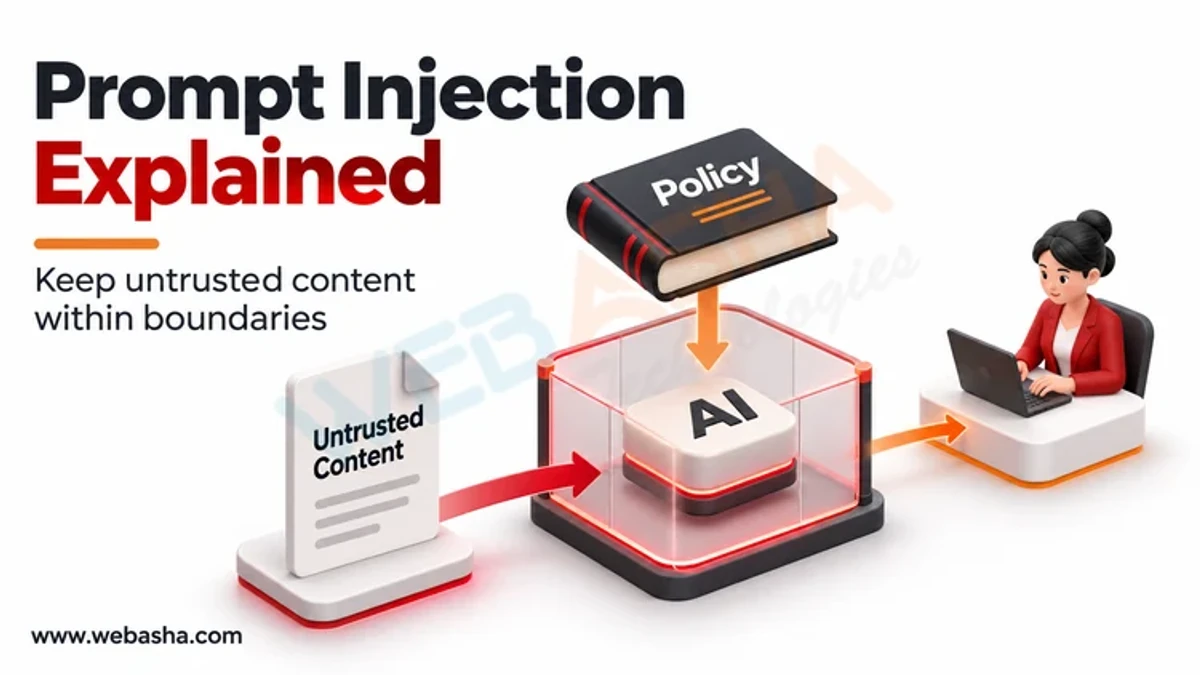
What Is a Prompt Injection Attack? Prompt Injection in AI Explained

A prompt injection attack happens when text given to a large language model changes its behaviour in ways the developer did not intend. In direct injection, a user types instructions that override the system's rules. In indirect injection, the instructions are hidden in content the model reads, such as a web page, email, document or code comment.

Can Alexa Really Understand You? How Voice Assistants Work

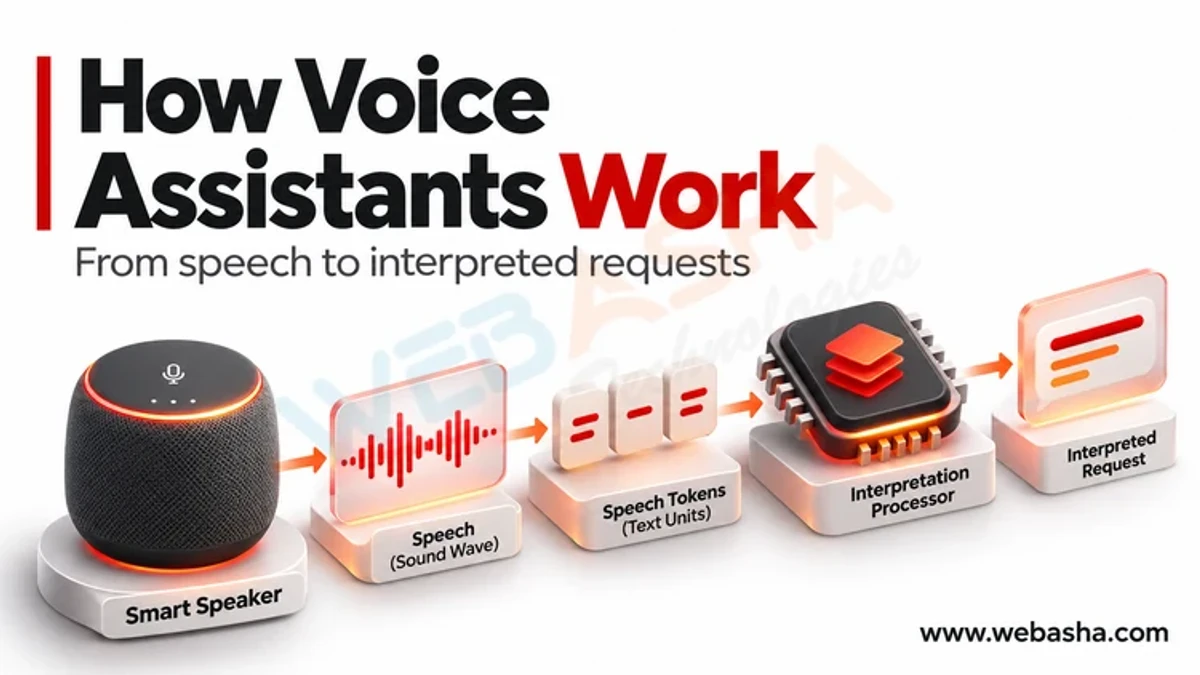
Alexa does not understand you the way a person does. It converts your speech into text with automatic speech recognition (ASR), then uses natural language understanding (NLU) to guess your intent, such as play music, and the details, such as which song. It then performs an action and replies with synthesised speech. A small on-device model listens only for the wake word; most processing happens in the cloud.