Welcome!

Unlock your personalized experience.
Sign Up
Tag

Penetration testing Articles, Guides & Tutorials

182 posts Page 1 / 12

Penetration testing is the authorised, structured attempt to break into systems, networks and applications to find weaknesses before attackers do. The articles below cover the full workflow: scoping, reconnaissance, exploitation, privilege escalation, post-exploitation and writing a report a client can act on.

To practise these skills with a trainer and prepare for a recognised exam, see our OSCP+ (PEN-200), CPENT and CompTIA PenTest+ courses.

9 Types of API Testing: What Each Checks and Which Tools to Use

API testing checks that an application programming interface returns the right data, enforces its rules, performs under load and resists attack. Nine common types are functional, contract, integration, end-to-end, load and performance, security, fuzz, validation (schema) and reliability testing.

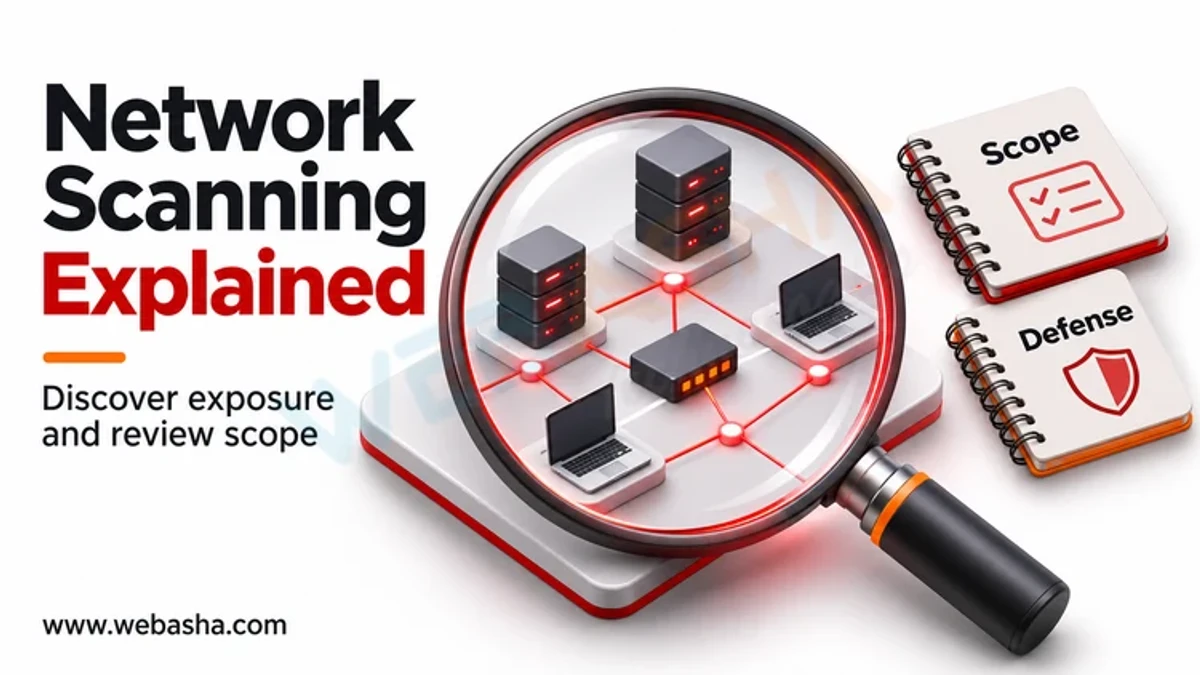
What Is Network Scanning? Types, Detection and Defence Explained

Network scanning is the process of sending probes to a range of addresses to find live hosts, open ports, running services and known weaknesses. It has four common types: host discovery, port scanning, service and version detection, and vulnerability scanning. Attackers scan to find targets, while defenders and authorised testers scan their own networks to find exposures before attackers do.

Inside Kali Linux: Top Ethical Hacking Tools for Beginners

Kali Linux is a free Debian-based distribution maintained by OffSec for authorised security testing, digital forensics and research. It bundles hundreds of tools grouped into categories such as information gathering, web application testing, wireless assessment, password auditing, forensics and reporting.

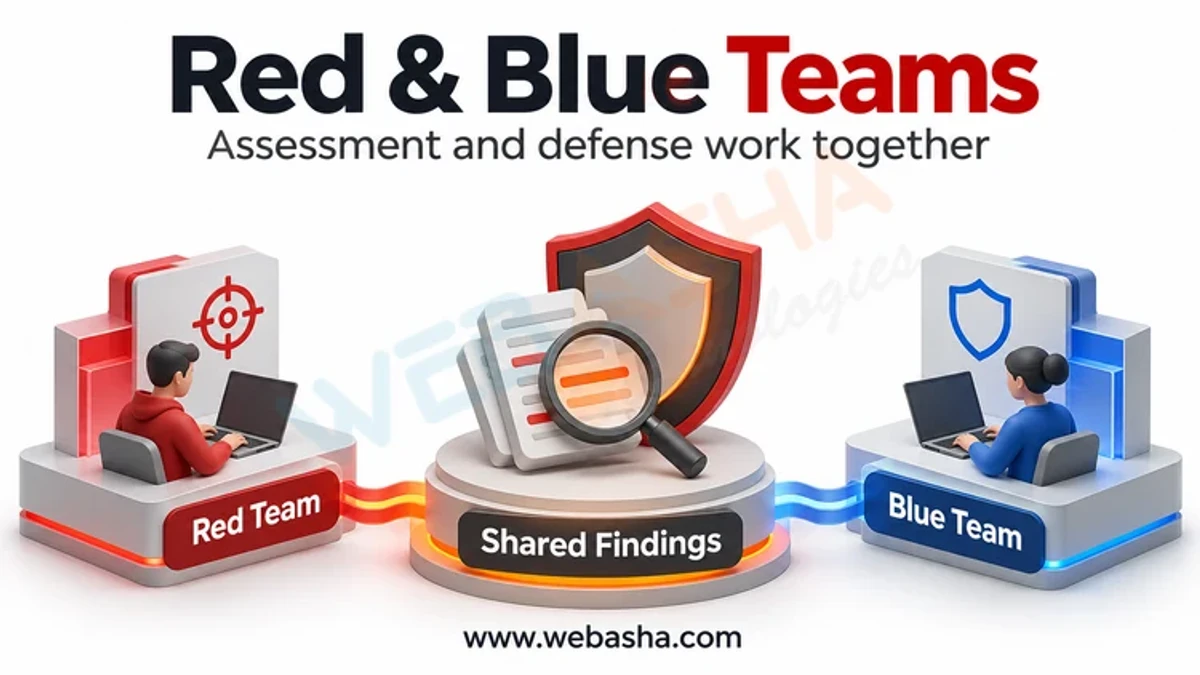
What Are Red and Blue Teams in Cybersecurity? A Beginner Guide

A red team is an authorised group that emulates real attackers to test an organisation's defences, people and processes. A blue team is the group that defends the organisation by monitoring, detecting, responding to and recovering from attacks, whether real or simulated. When the two work together openly to test and improve detections, the practice is called purple teaming.

How I Got Into Cybersecurity Without a Degree | A Complete Guide

Cybersecurity is one of the most dynamic fields in tech, and it's possible to break into it without a formal degree. In this blog, I share my personal journey of transitioning into cybersecurity, from self-study to gaining industry certifications and landing my first job. I’ll also provide useful tips for anyone looking to follow the same path, including free resources, training, and certifications that can help you break into cybersecurity.

Are Cyber Security Jobs in Demand in 2026? Salary, Scope & Best Courses in Pune

Cyber security jobs are in high demand in 2026 due to the rising threat of digital attacks, increased data privacy regulations, and the widespread shift to cloud-based infrastructure. This blog explores why cyber security is a booming career path in India, key roles and salaries, essential skills, and how students and working professionals can start their journey with hands-on training through WebAsha’s cyber security and ethical hacking programs. With a focus on live labs, AI-driven tools, and industry-relevant certifications like CEH and OSCP, WebAsha helps you become job-ready in a high-growth field.

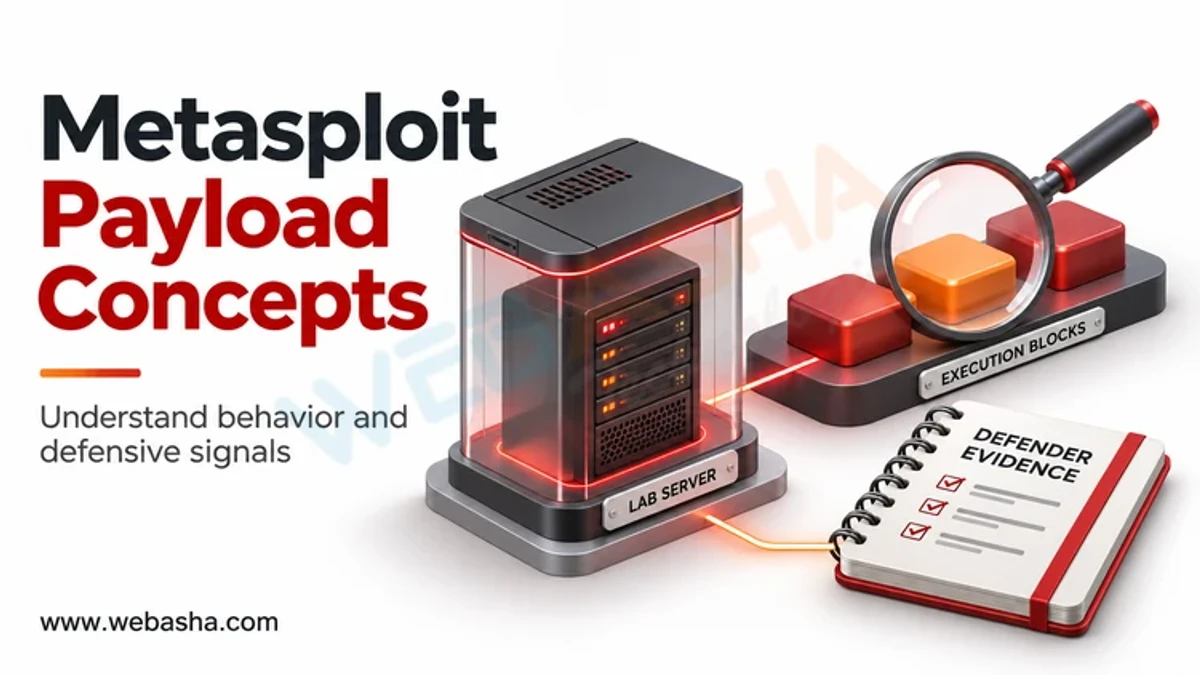
Msfvenom and Metasploit Payloads: How They Work and How Defenders Detect Them

This blog provides a detailed guide on how to create a payload using Msfvenom, its various uses in cybersecurity, and the role of Msfconsole in managing the payloads. It also covers how to send the created payload to a victim, including setting up a server in Kali Linux to deliver the payload. Learn how to use Msfvenom for ethical hacking and penetration testing by following these practical steps and techniques.

Top 100 Most Useful Kali Linux Commands with Practical Examples for Ethical Hackers and Beginners

Looking for a complete list of the most essential Kali Linux commands used in ethical hacking, penetration testing, and cybersecurity training? This detailed blog covers the top 100 Kali Linux commands with descriptions and real outputs for beginners and experts. From basic terminal navigation to advanced hacking tools like Metasploit, Hydra, Nmap, and SQLMap, each command is explained in a simple format. Use this as your go-to resource for mastering Kali Linux and performing real-world cyber operations.

WebAsha's Diploma in Cybersecurity and Ethical Hacking: Curriculum, Certifications and Careers

In 2026, cyber threats are more advanced and widespread than ever before, making the demand for skilled cybersecurity professionals critical across all industries. WebAsha Technologies offers a highly rated Diploma in Cybersecurity and Ethical Hacking, blending theoretical foundations with hands-on skills to prepare students for real-world challenges. The course spans one year and includes prep for top global certifications such as CEH, OSCP, CISSP, and more. With expert mentors, flexible learning options (online and classroom), and real-world lab environments, this course helps learners master everything from penetration testing to cyber forensics. For beginners and IT professionals looking to upgrade, this program opens doors to lucrative cybersecurity careers.