What Is Python Programming Language?
What Python is, why it became the most widely taught programming language, where it genuinely excels, where it does not, and a practical path for learning it.

Learn Python from scratch, including syntax, programming techniques, and applications in AI, data science, and automation.
21 posts Page 1 / 2
What Python is, why it became the most widely taught programming language, where it genuinely excels, where it does not, and a practical path for learning it.
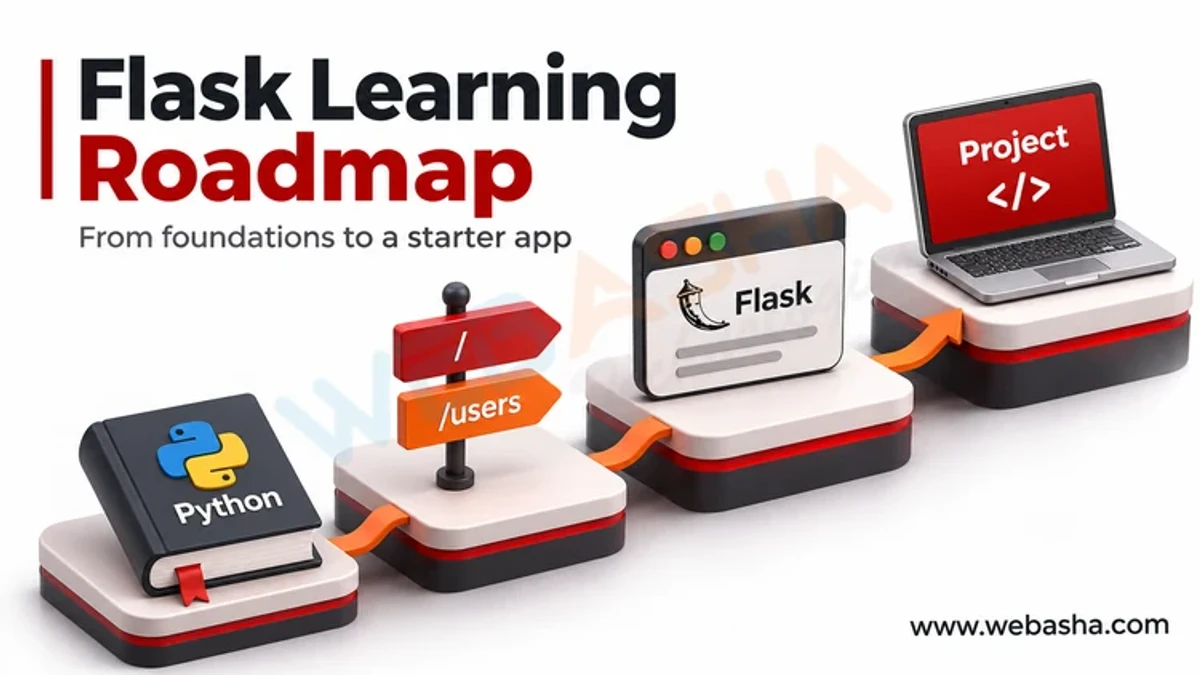
Learn Flask in this order: Python basics and virtual environments, a single-file app with routes, Jinja templates, forms and request data, a database, application structure with blueprints and the application factory, testing, and finally security and deployment. Flask is a lightweight Python web framework built on Werkzeug (the WSGI toolkit) and Jinja (the template engine).
A Django bootcamp is a short, intensive course where you build working web applications with Python and Django instead of only watching lectures. A good one covers Python basics, Django models and the ORM, views, templates, forms, authentication, the admin, testing, a REST API with Django REST framework, security settings and deployment.
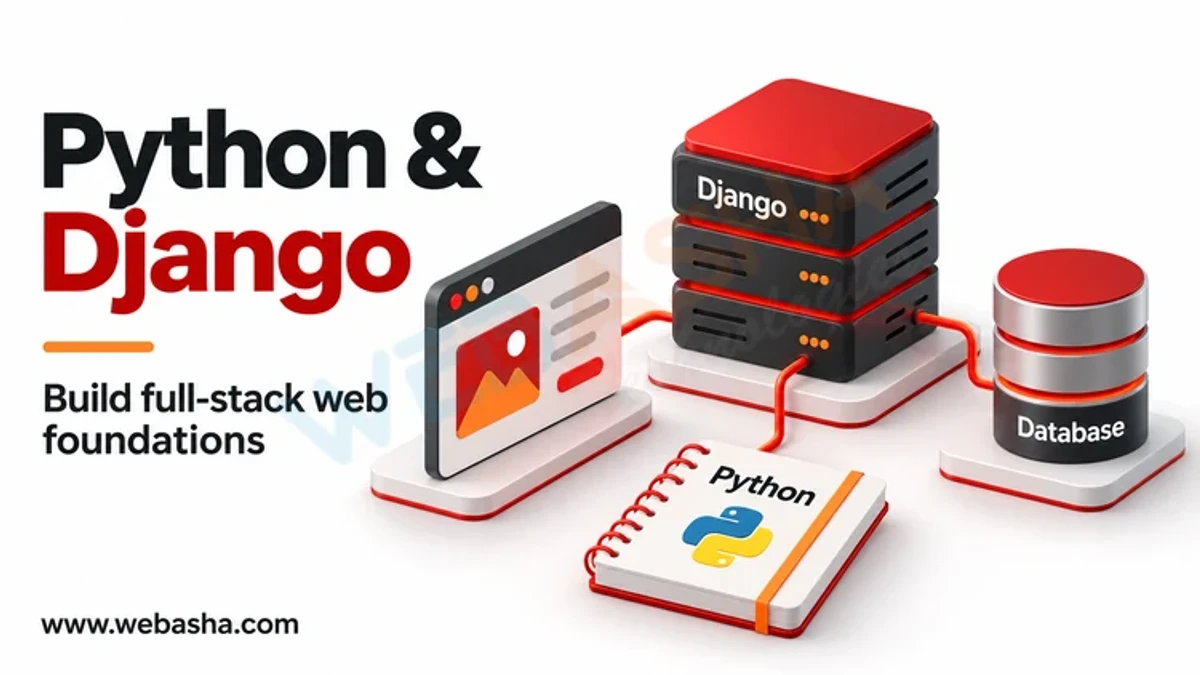
Full-stack Django means you build both the back end (models, business logic, database) and the front end users see. There are two main approaches. In the first, Django renders HTML on the server with its template language, which is simple, fast to build and secure by default thanks to autoescaping.
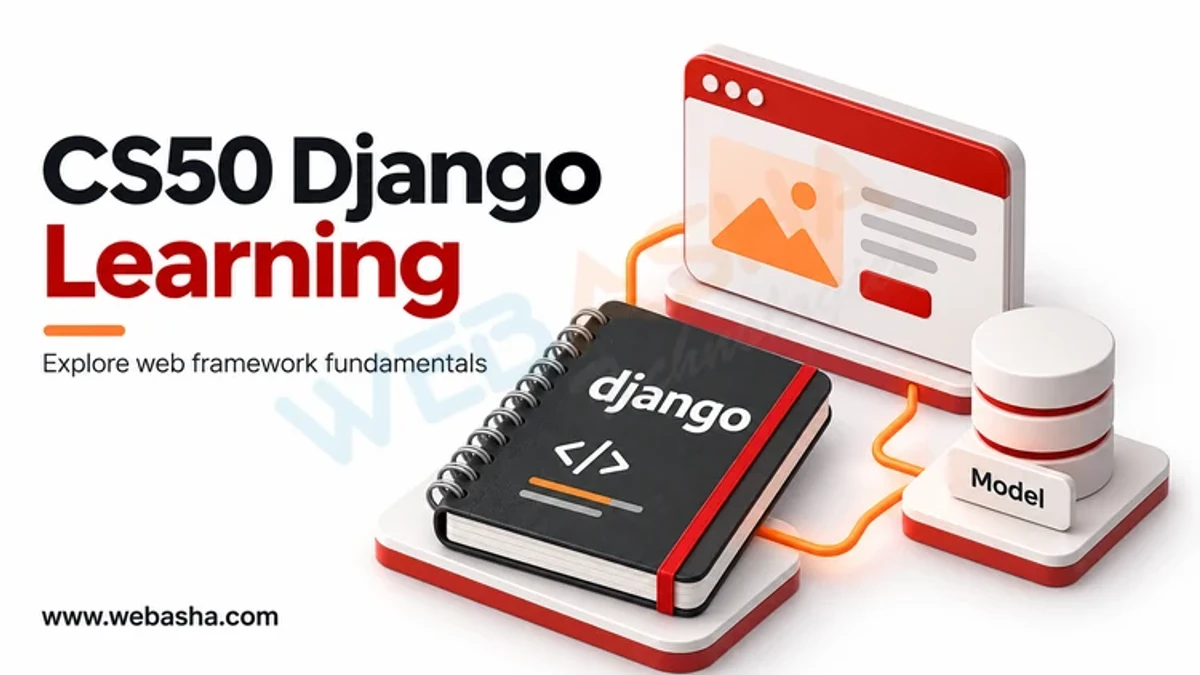
CS50's Web Programming with Python and JavaScript (CS50W) is Harvard's follow-on to CS50x. According to the official course page, it runs from Week 0 to Week 8: HTML and CSS, Git, Python, Django, SQL with models and migrations, JavaScript, user interfaces, testing with CI/CD, and scalability and security, followed by a final project. Django is the server framework for most of the course.
There is no official Django certification exam. The Django Software Foundation, which supports the open-source project, does not list any certification programme on djangoproject.com, and we found none endorsed by it. Certificates you see advertised are course completion certificates, university certificates such as Harvard CS50W through edX, or exams set by private companies.
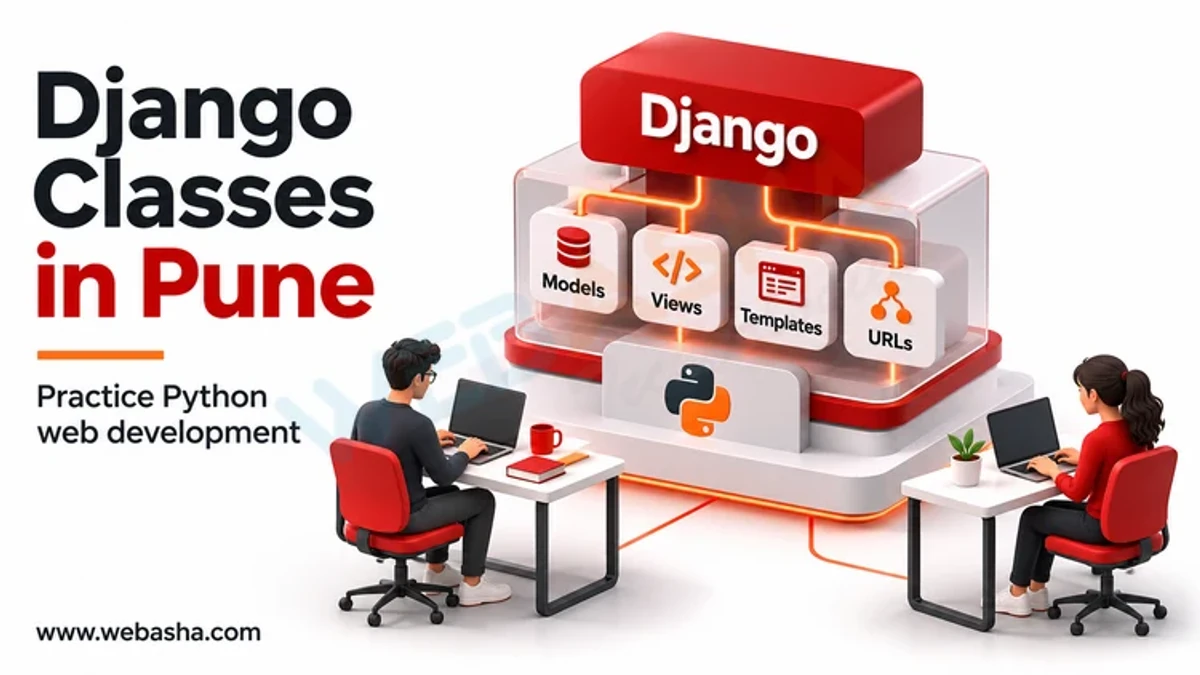
Django fundamentals are the core ideas every Django project uses. Django follows a model, view, template (MVT) pattern: models define your data, views hold the logic for each request, and templates render HTML. URL patterns map web addresses to views.
You can learn Django online for free by following a clear path. Start with Python basics, then work through the official Django tutorial, which builds a polls app across eight parts covering models, views, templates, forms, testing, static files and the admin. Add the free Django Girls tutorial or MDN's Django tutorial for a second, beginner-friendly project, and Harvard's CS50W if you want a full course.
Django ships with strong security defaults, but you must keep them switched on and configure production properly. CSRF middleware protects forms when you include the csrf_token tag. Templates autoescape HTML, which blocks most cross-site scripting. The ORM parameterises queries, which prevents SQL injection unless you build raw SQL from strings.
To deploy Django, replace the development server with a production application server. Use WSGI with a server such as Gunicorn for standard synchronous apps, or ASGI with a server such as Uvicorn or Daphne if you need async features like WebSockets. Put a reverse proxy such as Nginx in front to handle HTTPS and serve static files collected with collectstatic.
Good Django practice projects teach a security habit along with each feature.
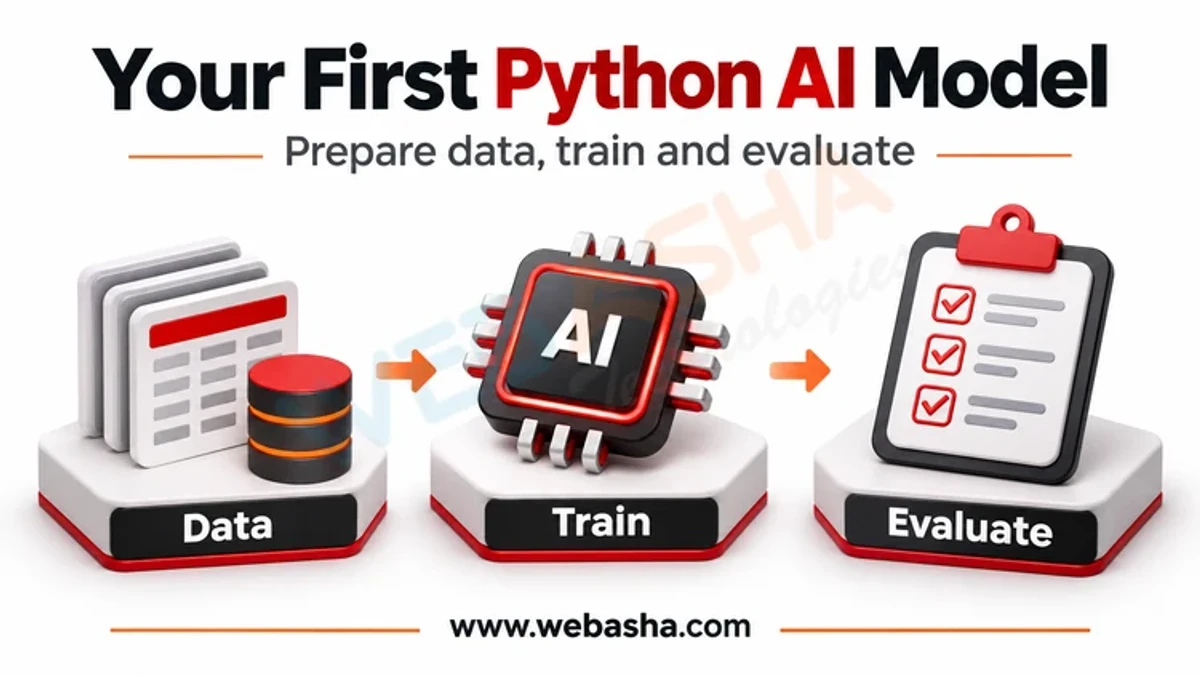
The easiest way to build your first AI model in Python is to use the scikit-learn library with a small built-in dataset such as Iris. Install Python and scikit-learn, load the data, split it into training and test sets, train a classifier such as a random forest, measure its accuracy on the test set, then save the model and use it to predict new examples. The complete working script below is about 20 lines.
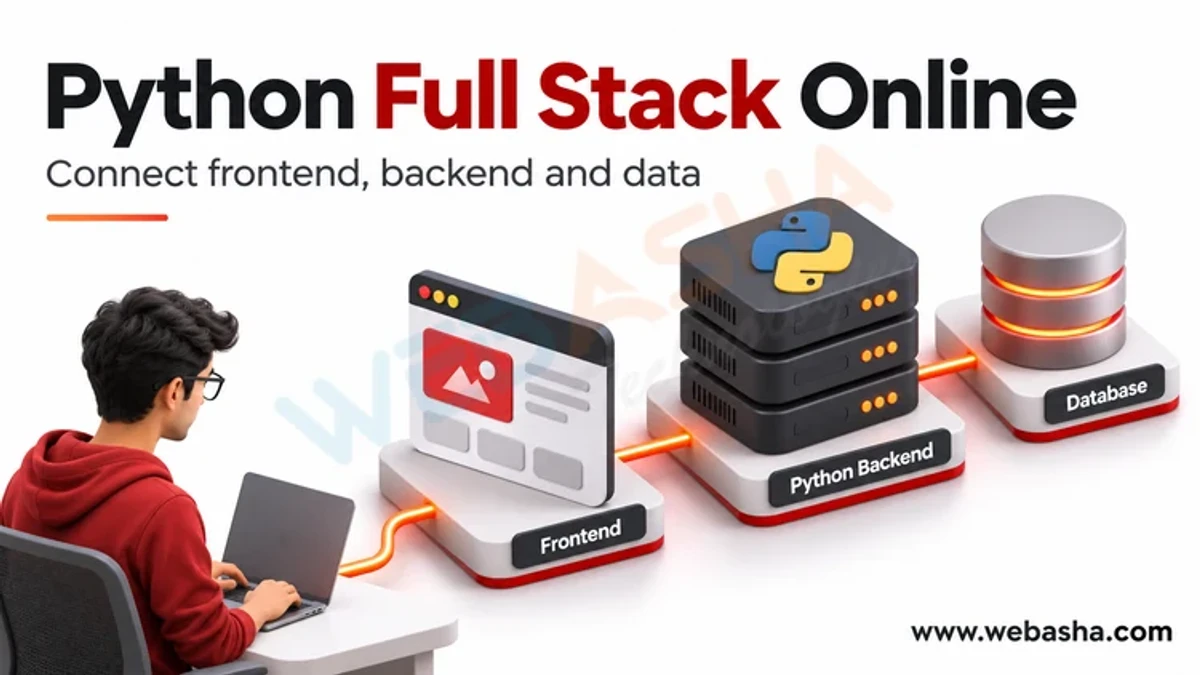
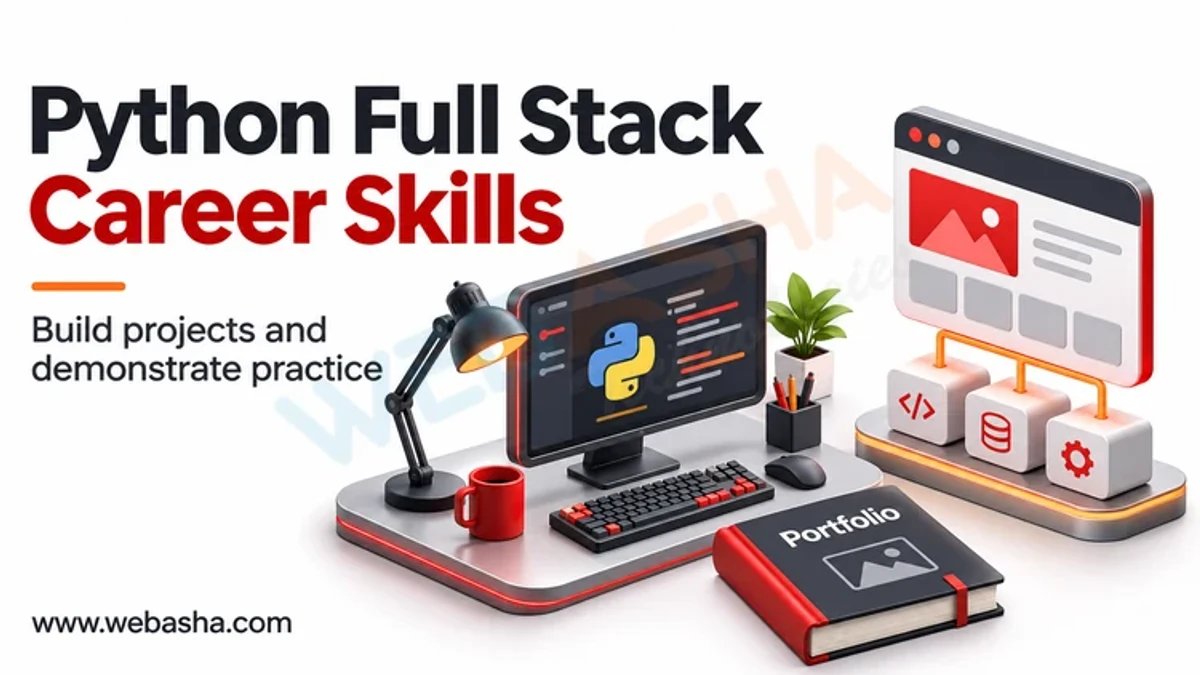
You can learn Python full stack development online if you combine structured lessons with steady practice. Start with core Python, then HTML, CSS and JavaScript for the front end, then a web framework such as Django or Flask, a relational database like PostgreSQL, and Git for version control.
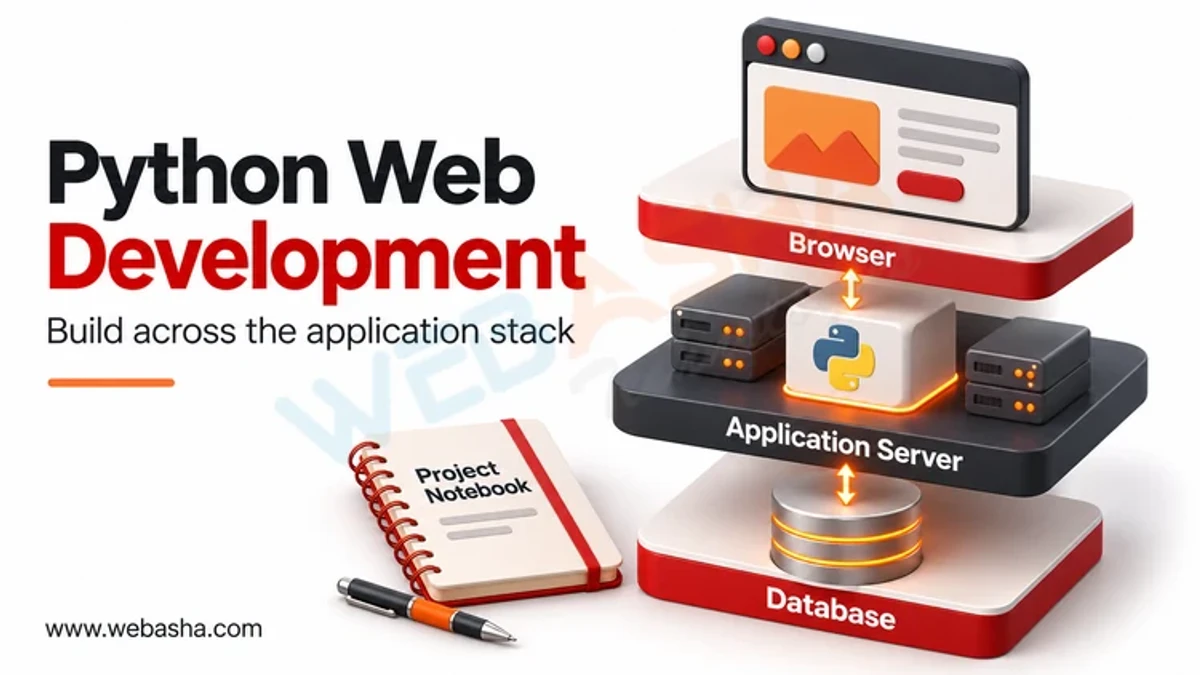
A typical full stack Python project has four layers: a browser front end, a Python back end built with Django or Flask, a relational database, and a deployment setup that serves it on the internet. The back end often exposes a REST API that returns JSON, using HTTP methods such as GET, POST, PUT and DELETE. Authentication is handled with sessions or tokens, and passwords are stored as salted hashes.
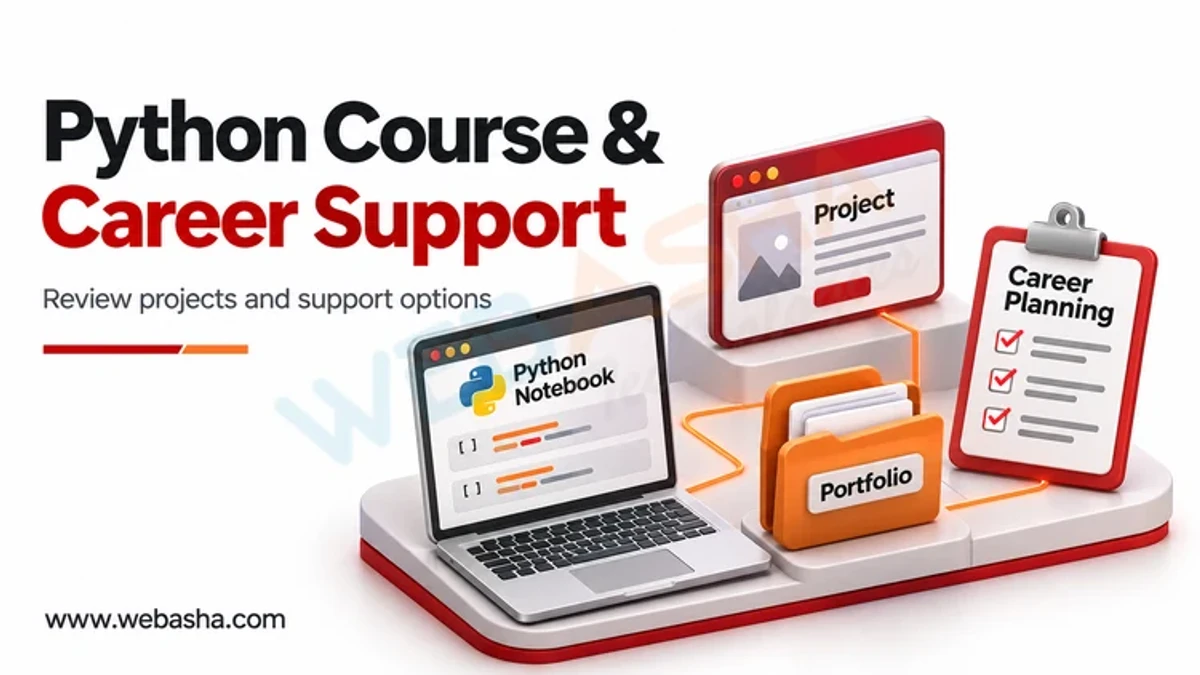
Being job ready as a Python full stack developer means you can show, not just claim, your skills. Employers usually look for two or three complete projects that are deployed, a clean Git history with meaningful commits, automated tests written with pytest or the framework's test tools, readable code with a clear README, and basic secure coding habits.
Placement assistance in a Python full stack course usually means support with the job search, not a promise of a job. It often includes resume and LinkedIn reviews, mock interviews, sharing job openings, and sometimes arranging interviews with hiring companies. It rarely means the institute decides who gets hired.