Open-Source Operating Systems: What Exists, What It Is For, and Which to Learn
A practical list of open-source operating systems: Linux distributions, BSDs and others, with support periods, the CentOS change and which to learn.

23 posts Page 1 / 2
A practical list of open-source operating systems: Linux distributions, BSDs and others, with support periods, the CentOS change and which to learn.
Ghidra is a free, open-source software reverse engineering suite released by the US National Security Agency in 2019. It disassembles and decompiles compiled programs so you can read what they do without the source code. To install it, download the release zip from the official GitHub page, check its SHA-256 value, install the 64-bit Java JDK named in the README, extract the zip and run ghidraRun.
Prepare for a penetration testing interview by studying the advertised assessment scope and practising how you explain a finding from evidence to remediation. Refresh the systems involved, distinguish tool observations from confirmed conclusions and be clear about permission and stop conditions. Use honest examples from work, study or authorised labs and disclose your contribution.
Build ethical hacking skills around the work of an authorised assessment: understanding the system, planning a safe question, interpreting evidence and explaining a recommendation. Networking, operating systems, web concepts and scripting help with different parts of that work. Reporting and judgment connect the technical pieces.
Evaluate RHEL 10 features by asking what they change for one application. Updated runtimes, image-mode delivery, management assistance and additional software sources can create useful choices, but each needs a support and acceptance check. A feature being available does not prove a faster or safer workload.
Read RHEL 10 changes by exact release, feature status and impact on your systems. A launch overview, current lifecycle table and minor-release note answer different questions. Separate generally supported capabilities from Technology Previews, deprecations, removals and known issues. Then connect a relevant change to an owner and an acceptance check.
Linux shows how open-source development can support a widely used operating-system ecosystem. The kernel, distribution tools and applications are separate components with their own licences, maintainers and support arrangements. Public source code creates opportunities to inspect and improve software, but useful rights come from the licence, and security still needs maintenance.
Linux can be a good choice when its applications, hardware support and operating model fit your work. Evaluate a specific distribution and release against the tasks you must complete. Check document compatibility, peripherals, security maintenance and recovery before replacing an existing setup. A short trial using copies of approved files can reveal useful benefits and practical blockers.
Linux features become useful when they solve a specific operating problem. Separate identities, process controls, service supervision, inspectable interfaces and package policies can help a team manage work consistently. They still require appropriate configuration and testing.
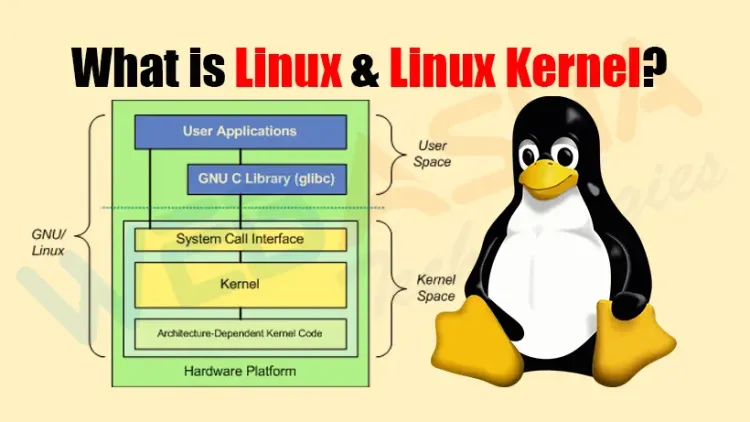
A Linux system combines a kernel with libraries, programs and management components. The shell interprets command syntax, applications perform work in user space and system calls request kernel services. A graphical application can use the same underlying operating-system interfaces without a terminal.
To install RHEL 10, choose a suitable subscription and release-specific image, verify hardware and guest compatibility, then boot the graphical installer on the intended target. Configure the installation source, storage, software environment and approved accounts before reviewing the proposed changes and starting installation.
Build Linux skill through small administration tasks that you can explain, repeat and verify. Learn the shell, files, permissions and process context before moving into services, storage, networking and automation. Keep the distribution, version and expected result with each practice note because commands and supported behaviour differ between environments.
Linux is the kernel used by many operating systems, while a Linux distribution combines that kernel with libraries, utilities, applications and maintenance tools. The kernel schedules work, manages memory and devices, and provides services to applications through system calls. A shell or desktop is a separate program.
Linux is useful when its applications, hardware support, administration tools and maintenance model fit your workload. Its source availability and broad software ecosystem offer flexibility, but they do not remove support costs or guarantee security and performance. Compare a specific distribution and release against the job you need done.
Prepare for EX294 by practising current automation objectives and verifying the resulting state. The current assessment is named Advanced System Administrator in Ansible and contributes to the Engineer route with the required foundation. A fictional template-validation case separates rendered text, rejected configuration, installation and runtime acceptance.
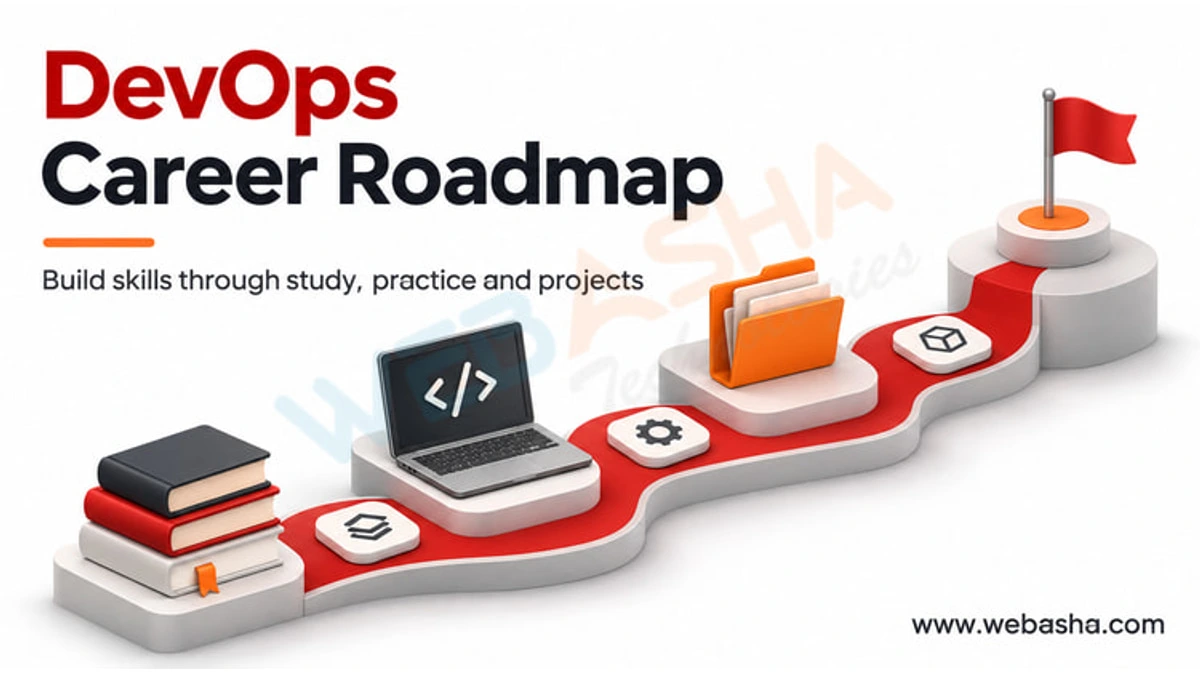
Build a DevOps foundation through operating systems, networking, version control and scripting, then connect them to testing, delivery, infrastructure and service feedback. Learn tools through small projects with requirements you can explain and verify. The checked offline example compares approved configuration with supplied values and produces a review list without changing a system.