Welcome!

Unlock your personalized experience.
Sign Up
Tag

Cybersecurity Articles, Guides & Tutorials

158 posts Page 1 / 10

Cybersecurity is the practice of protecting systems, networks and data from attack, damage and unauthorised access. This collection covers the fundamentals, current threats, defensive techniques and career guidance for people entering or growing in the field.

If you want a structured starting point, our Cyber Security Course and Certified Cybersecurity Technician (CCT) build the foundation step by step.

SOC Analyst Roadmap: Skills, Tools and Labs for Your First Role

Begin a SOC analyst roadmap with networking, operating systems and log interpretation, then practise investigating small alerts and documenting the decision. Learn tools through specific evidence tasks and review your work with another person. Move to a harder case when you can explain the source, method and limitations of the one you have completed.
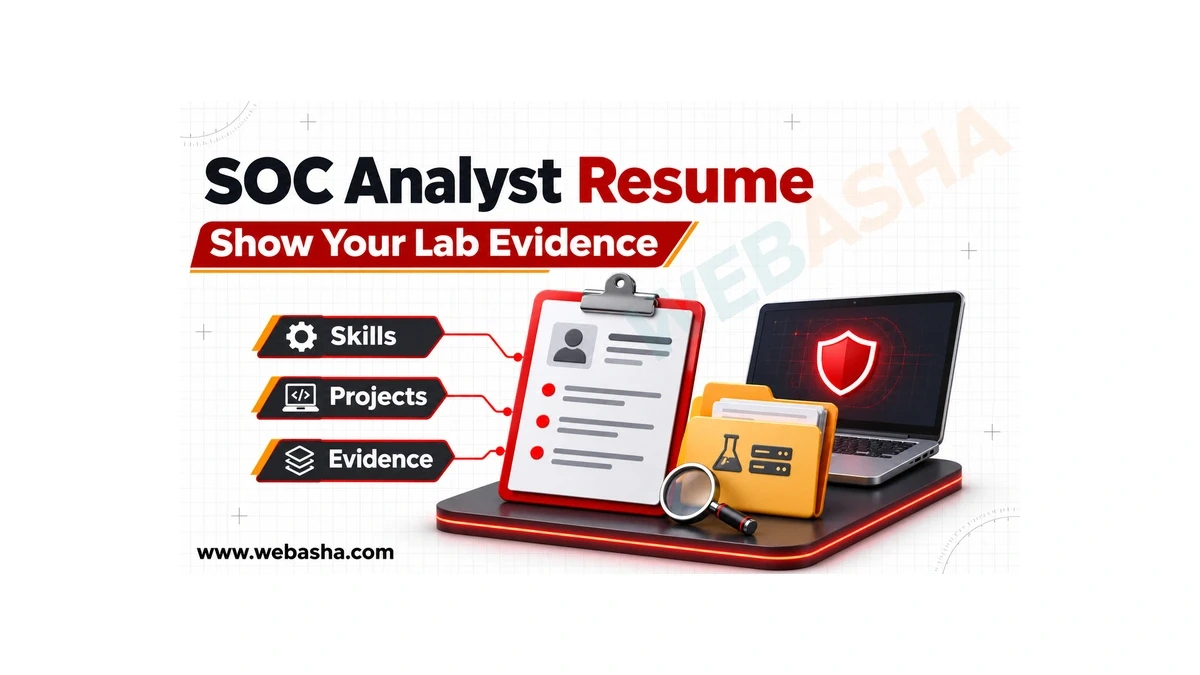
SOC Analyst Resume for Freshers: Show Your Lab Evidence

Build a SOC analyst resume for freshers around work you can explain: relevant foundations, completed lab tasks and clear investigation notes. Label projects as learning work, connect each skill to evidence and tailor the selection to the role. Use numbers only when you can show what was counted or measured.

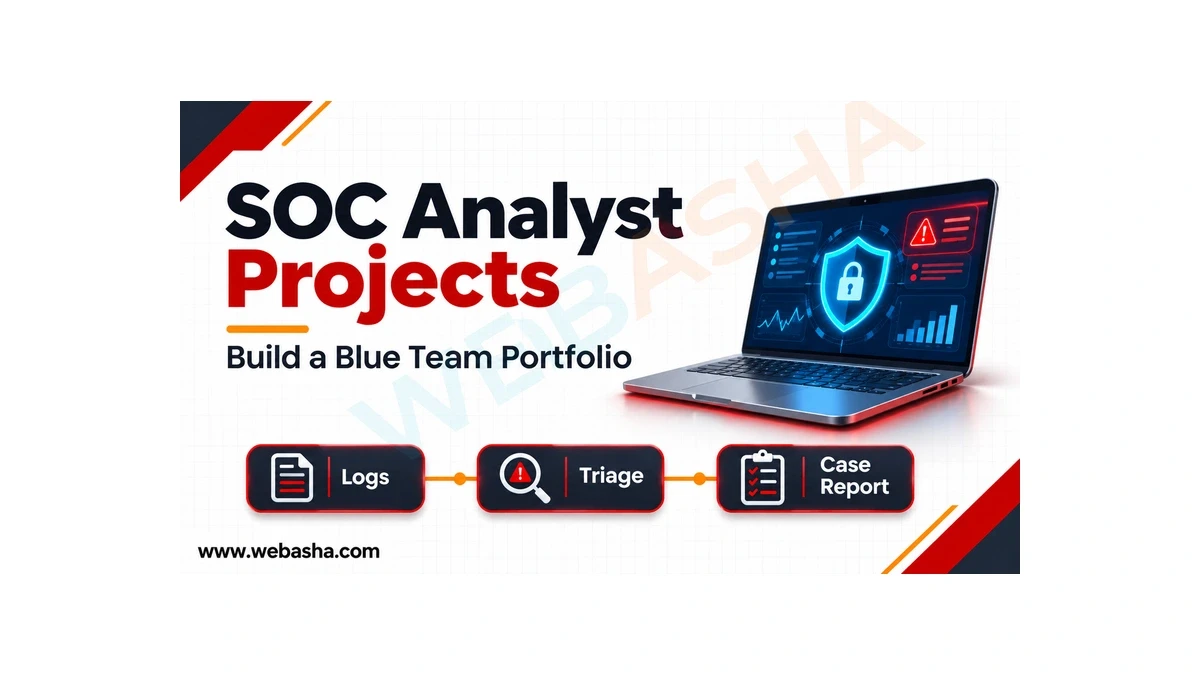
SOC Analyst Projects for Beginners: Build a Blue Team Portfolio

Start with SOC analyst projects for beginners that answer a small evidence question and end in a readable case note. Use synthetic or explicitly permitted data, record what you checked and state what remains unknown. A blue team portfolio becomes easier to assess when each project includes its source context, method and supported conclusion.

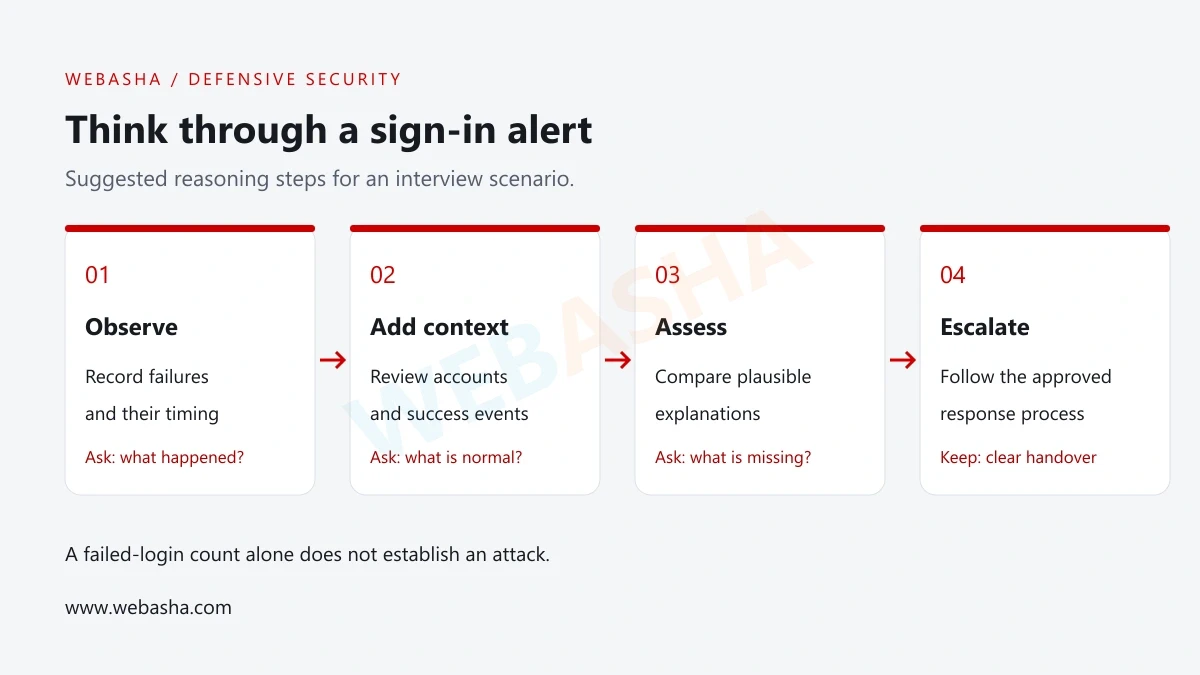
SOC Analyst Interview Questions With Alert-Triage Scenarios

Prepare for SOC analyst interview questions by explaining the alert condition, reviewing relevant evidence and choosing a justified next step. Practise cases with missing context as well as clear findings. A useful answer identifies what is known, what remains uncertain and what the next analyst needs in the handover.

SOC Analyst Course Syllabus: SIEM, EDR and Incident Response

A useful SOC analyst course syllabus should connect log analysis, SIEM investigation, endpoint evidence and incident response through supervised practice. Look for tasks that require you to explain an alert, assess its supporting records and write a clear handover. Judge the syllabus by those learning outputs as well as the tools named.

Digital Forensics Roadmap: Skills, Tools and Practice Cases

Build digital forensics skills by learning how systems store information, then practise preserving sources, examining records and explaining what they support. Use a small authorised dataset before combining disk, memory and network evidence. Progress when your notes and report let another learner check the reasoning, rather than after an arbitrary number of weeks.

Digital Forensics Interview Questions With Evidence Scenarios

Prepare for digital forensics interview questions by explaining how you would preserve evidence, document its handling and test an interpretation against supporting records. Practise scenarios involving acquisition errors, uncertain timestamps and incomplete logs. A useful answer makes the next authorised step clear and keeps the conclusion within the evidence available.

Web Application Penetration Testing Interview Questions and Scenarios

Prepare for web application penetration testing interview questions by explaining a security control, applying it to an authorised scenario and identifying the evidence you would review. Practise access control, injection prevention, browser security and session handling, then connect each answer to remediation and retesting. Use examples from work you can honestly explain.

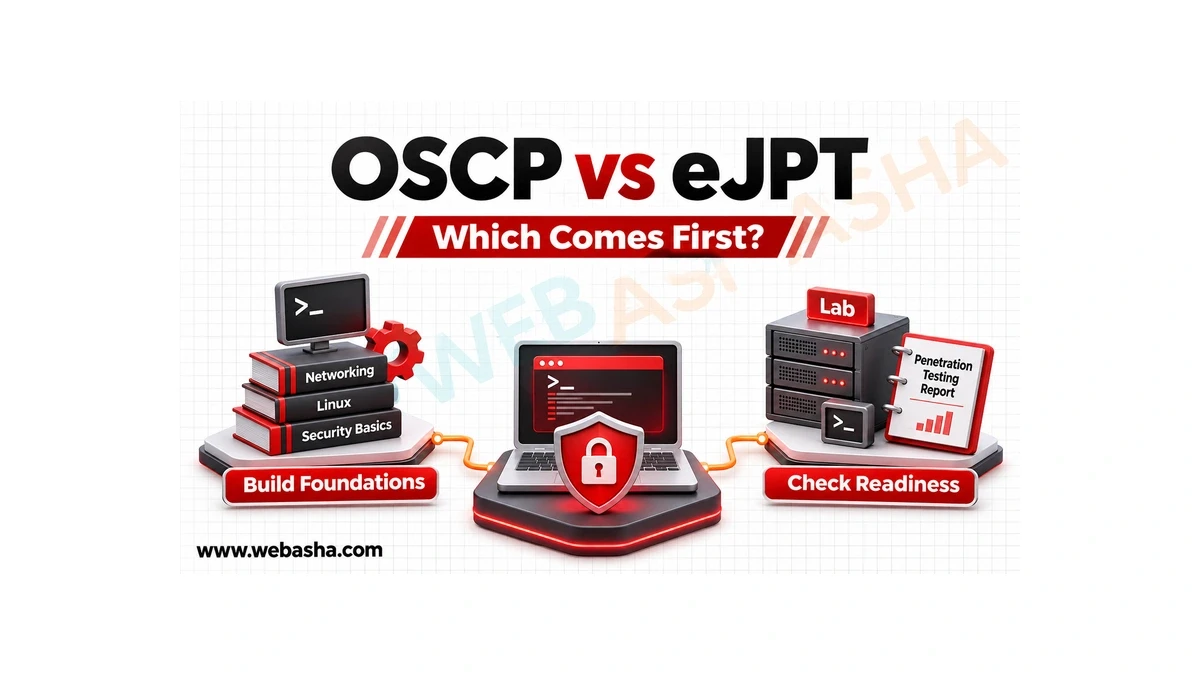
OSCP vs eJPT: Which Practical Certification Should Come First?

For a learner still building practical penetration-testing foundations, eJPT is usually the closer starting fit. Consider OSCP preparation when you can already explain networking and system behaviour, work independently in authorised labs and document your results. eJPT is an optional learning milestone; OffSec does not require it before the OSCP+ exam.

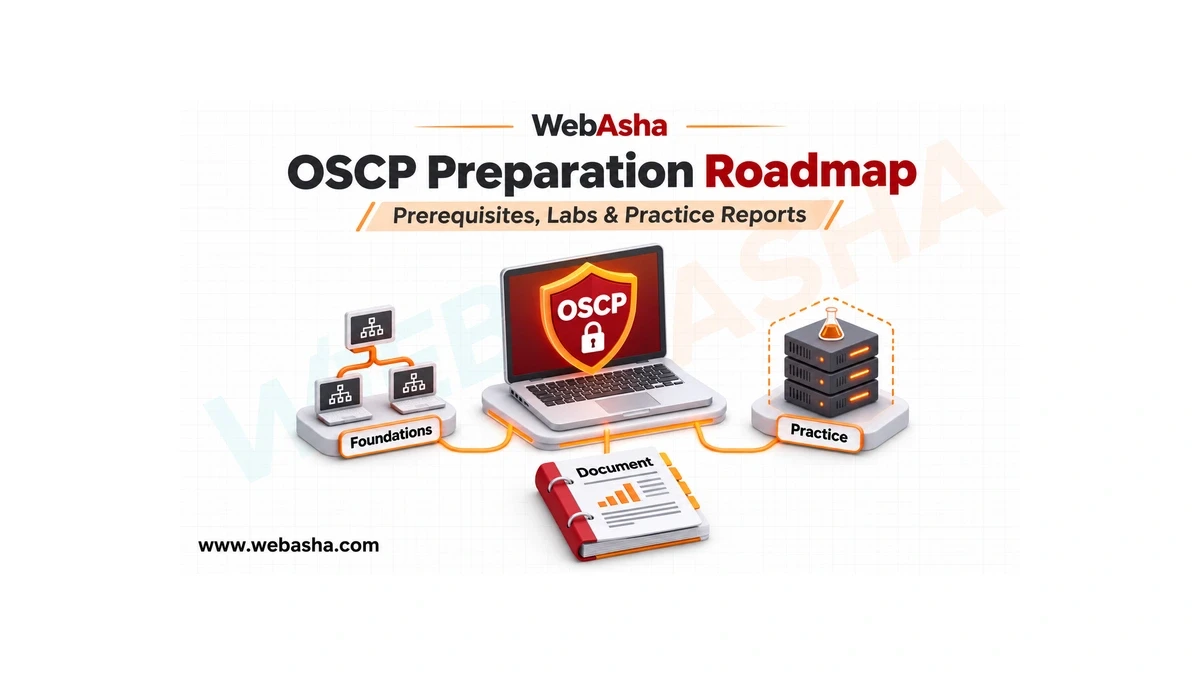
OSCP Preparation Roadmap: Prerequisites, Labs and Practice Reports

Prepare for OSCP by checking networking, Windows/Linux and basic scripting skills first, then working through authorised practice with a repeatable method and clear reports. Use OffSec’s current PEN-200 materials and candidate instructions to define the assessment scope. Track what you can demonstrate instead of relying on a fixed study duration.

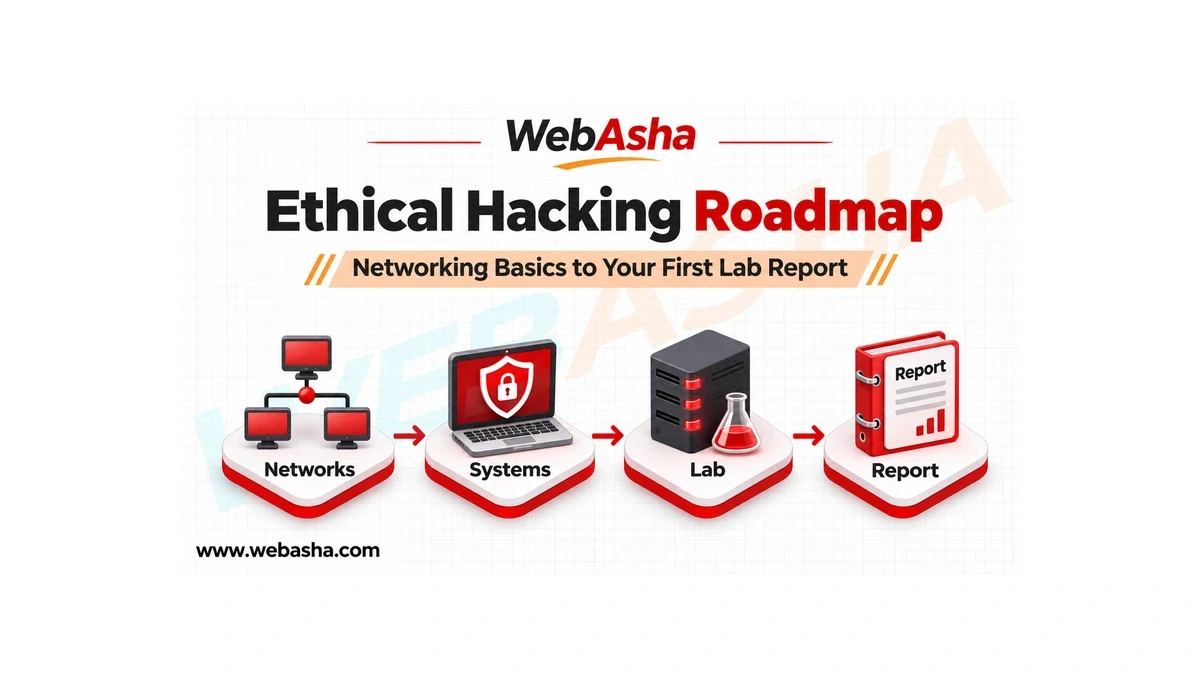
Ethical Hacking Roadmap: From Networking Basics to Your First Lab Report

Start an ethical hacking roadmap with networking and operating-system fundamentals, add basic scripting, then practise one authorised assessment in an isolated lab. Keep evidence from the beginning and finish with a report that explains the result, its limits and an appropriate remediation check. Move forward when you can demonstrate the skill.

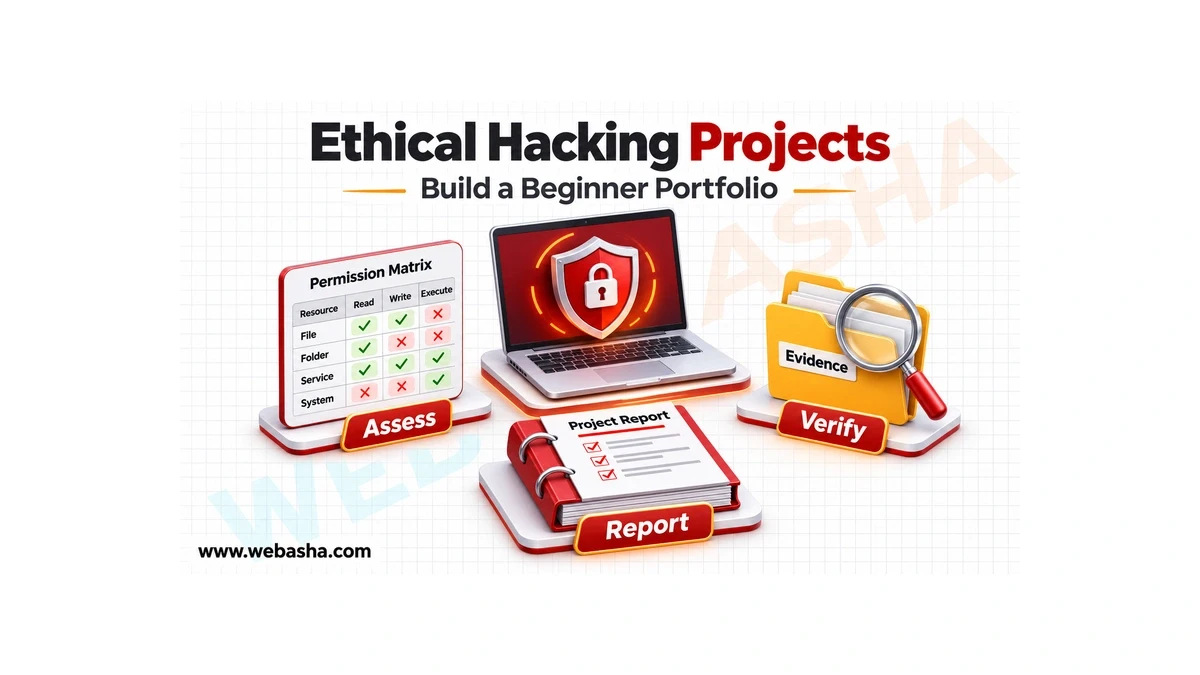
Ethical Hacking Projects for a Beginner Portfolio

Build a beginner ethical hacking portfolio around authorised assessment work you can verify and explain. Start with a clear scope, compare observed behaviour with an expected rule, and document the evidence, remediation proposal and retest status. A small completed assessment gives a reviewer something concrete to inspect.

Ethical Hacking Course Syllabus: Tools, Labs and Reporting Skills

An ethical hacking course syllabus should connect technical foundations to authorised lab work, evidence collection, reporting and remediation review. Students need to understand the purpose and limits of a test, explain its result and communicate a useful next step. A tools list alone does not show those learning outcomes.

Ethical Hacking Course Fees in India: Training, Exam and Lab Costs

Compare ethical hacking course fees in India by checking what the written quote includes: teaching, learning materials, exam entitlements, lab access and support. Confirm validity periods, optional items and the final payable total before enrolling. A course headline alone cannot establish the full scope of a package.

CEH vs CEH Practical: Exam Style, Skills and Preparation

CEH uses a knowledge-based examination, while CEH Practical assesses hands-on work in a cyber range. EC-Council lists 125 questions over four hours for CEH and 20 practical challenges over six hours for CEH Practical. Passing both is the route to the CEH Master designation.