Welcome!

Unlock your personalized experience.
Sign Up
Programming & Development

Python Programming

Learn Python from scratch, including syntax, programming techniques, and applications in AI, data science, and automation.

21 posts Page 2 / 2

Local Classroom or Online Python Full Stack Course? A Checklist

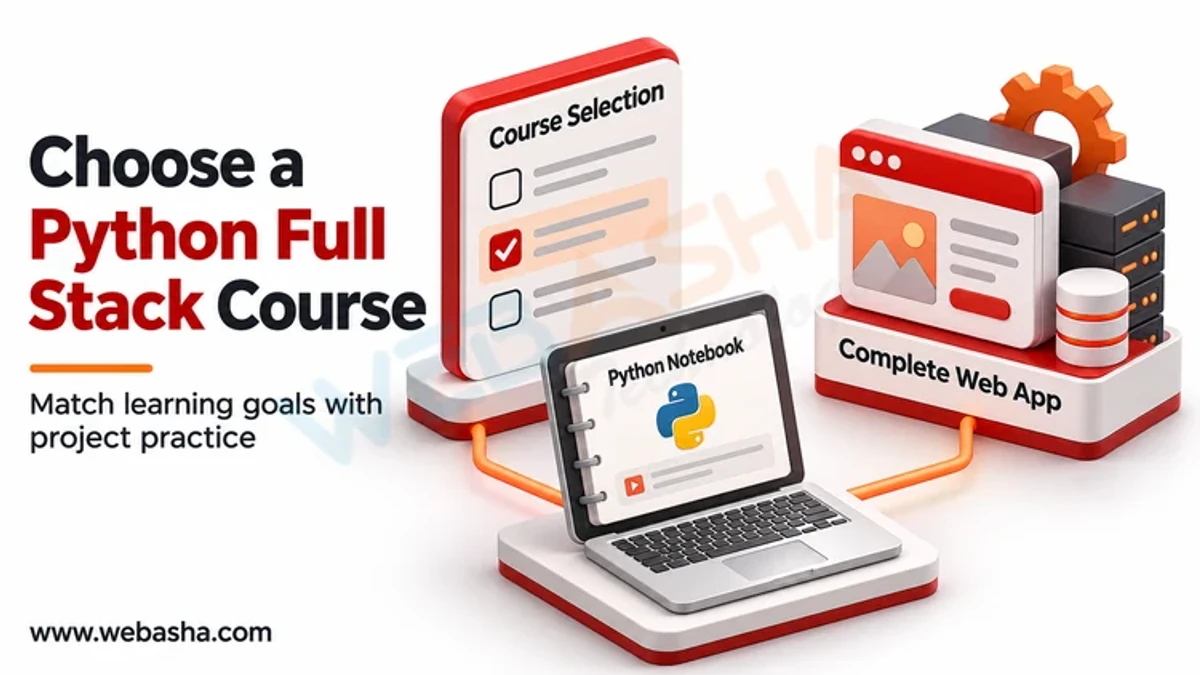
Choose a local classroom course if you learn best with face-to-face help, need a fixed place to study, or lack a quiet space and reliable internet at home. Choose an online course if you work full time, live far from training centres, or want recordings to replay. Both formats can teach the same Python full stack skills: Python, HTML, CSS, JavaScript, Django or Flask, databases, Git and deployment.
Python Full Stack Course Fees: How to Budget and What to Compare

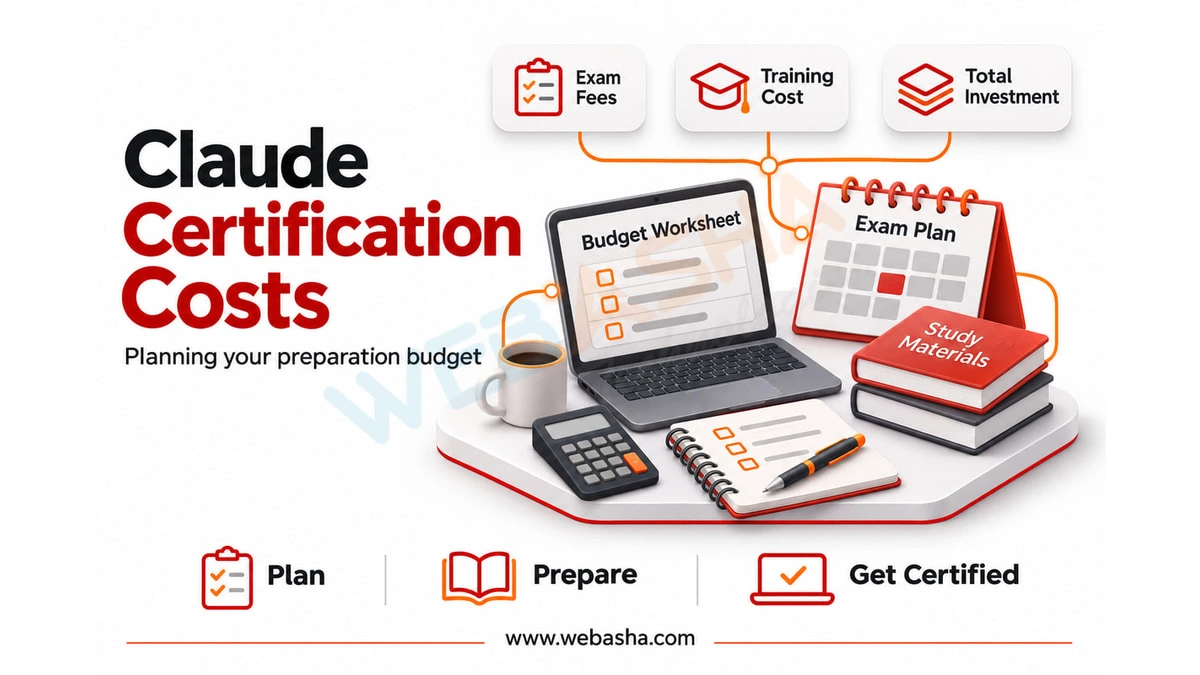
Python full stack course fees vary widely by format, duration, trainer experience and what is included, so compare value rather than the headline price. Ask for a written breakdown of what the fee covers: live hours, recordings, project reviews, certification, placement support and access period. Add hidden costs such as a laptop, internet, commute, exam fees and hosting.

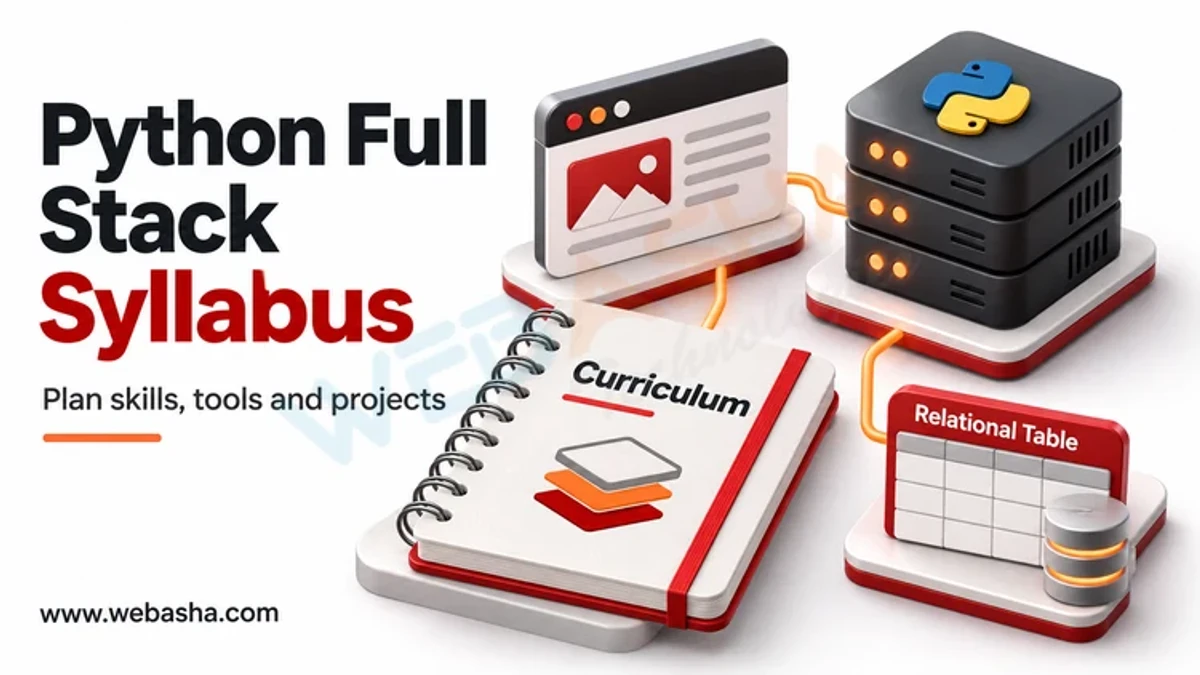
Python Full Stack Developer Syllabus: A Module-by-Module Guide

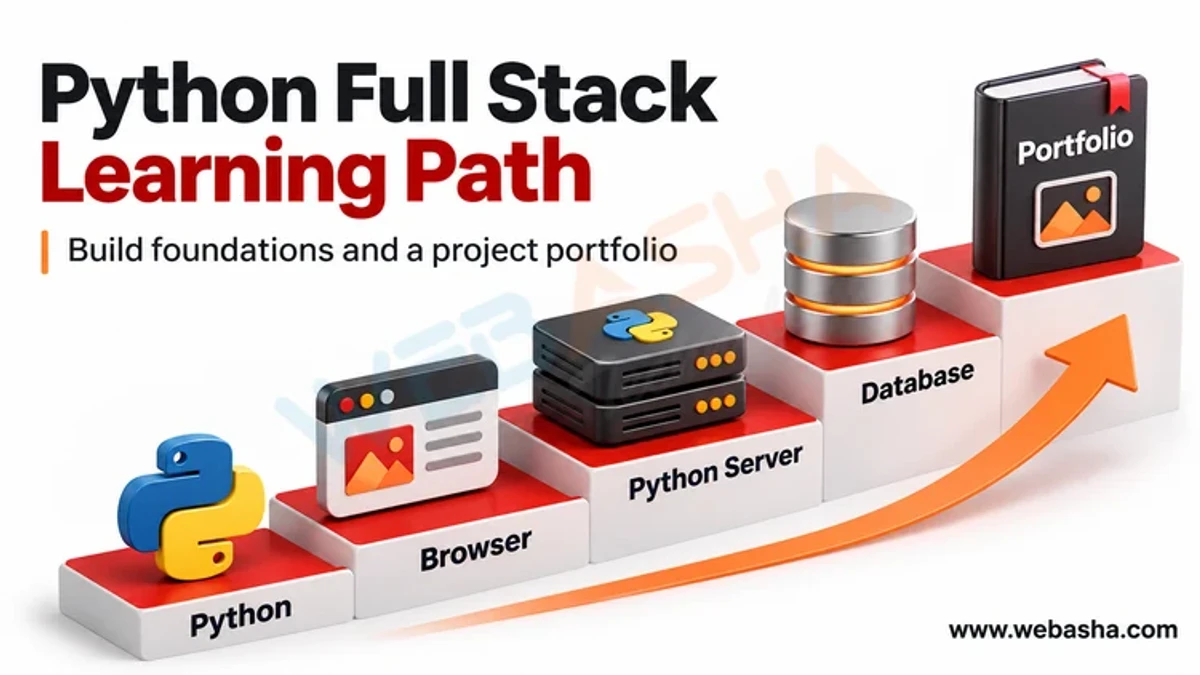
A sensible Python full stack syllabus moves from foundations to deployment in a clear order. Typical modules are: programming basics in Python, advanced Python and OOP, HTML and CSS, JavaScript, databases and SQL, a web framework such as Django or Flask, REST APIs, authentication and security, testing with Git workflows, and deployment with Docker.

Python Full Stack Skills and Career Paths: Roles You Can Grow Into

Python full stack skills cover core Python, HTML, CSS, JavaScript, a framework such as Django or Flask, SQL databases, REST APIs, Git, testing and deployment. These skills open several career paths: junior full stack developer, back end or API developer, front end leaning developer, QA automation engineer, DevOps or cloud engineer, and application security roles.

Python Full Stack Developer Course: Syllabus, Skills and Career Guide

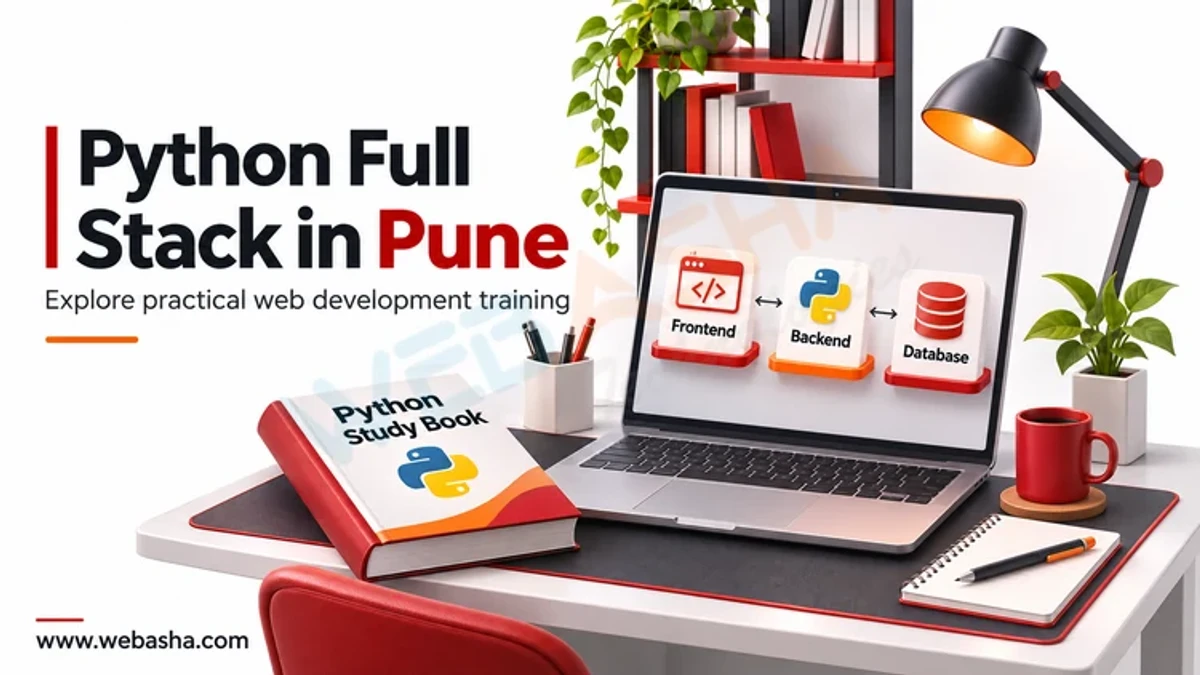
A Python full stack developer course teaches you to build complete web applications: the front end that users see, the back end that runs business logic, and the database that stores data. A typical syllabus covers HTML, CSS and JavaScript, core Python, a web framework such as Django or Flask, REST APIs, SQL databases like PostgreSQL or MySQL, Git, testing, deployment and basic web security.