Welcome!

Unlock your personalized experience.
Sign Up
Tag

Penetration testing Articles, Guides & Tutorials - Page 2

182 posts Page 2 / 12

Google Hacking Database (GHDB): How Google Dorks Expose Data and How to Defend

The Google Hacking Database (GHDB) is a collection of Google search queries, known as Google Dorks, that allow hackers and security researchers to find sensitive information inadvertently exposed on the web. Hosted on Exploit-DB, GHDB helps in identifying open directories, login pages, error messages, vulnerable devices, and misconfigured servers through advanced Google search operators. Ethical hackers use this technique to discover security risks and strengthen cybersecurity defenses, while malicious attackers may exploit it for data breaches and cyberattacks. This blog covers the categories of GHDB, real-life Google hacking techniques, and methods to prevent such attacks, ensuring organizations can protect their sensitive information from being indexed by search engines.


Google Dorking: Advanced Search Operators for Ethical Hacking and Footprinting

Google Dorking, also known as Google Hacking, is a powerful technique used by ethical hackers, cybersecurity professionals, and even cybercriminals to extract sensitive information from publicly available sources. With advanced search operators, users can uncover hidden web pages, access cached content, locate login portals, and retrieve confidential documents that are unintentionally exposed. This guide covers popular Google search operators, their real-life applications, and how ethical hackers use them for penetration testing and reconnaissance. Additionally, it covers defensive strategies to protect organizations from Google Dorking attacks and prevent sensitive data from being exposed.

Footprinting Methodology | Techniques, Threats and Prevention Strategies

Footprinting is a key phase in cybersecurity reconnaissance, where attackers and ethical hackers gather intelligence about a target system, network, or organization. This information helps attackers exploit vulnerabilities or assists security professionals in strengthening defenses. The footprinting methodology includes search engine footprinting, WHOIS and DNS footprinting, network footprinting, and social engineering tactics. Attackers use Google Dorking, SHODAN, archive.org, DNS lookups, social media, and email tracking to map the target’s infrastructure and uncover sensitive data. Social engineering techniques such as phishing, impersonation, and dumpster diving further enhance the effectiveness of footprinting. Organizations can mitigate these threats by limiting public exposure, securing DNS configurations, implementing strict access controls, and conducting regular cybersecurity awareness training.

Footprinting Methodology | Techniques, Threats and Prevention Strategies

Footprinting is a key phase in cybersecurity reconnaissance, where attackers and ethical hackers gather intelligence about a target system, network, or organization. This information helps attackers exploit vulnerabilities or assists security professionals in strengthening defenses. The footprinting methodology includes search engine footprinting, WHOIS and DNS footprinting, network footprinting, and social engineering tactics. Attackers use Google Dorking, SHODAN, archive.org, DNS lookups, social media, and email tracking to map the target’s infrastructure and uncover sensitive data. Social engineering techniques such as phishing, impersonation, and dumpster diving further enhance the effectiveness of footprinting. Organizations can mitigate these threats by limiting public exposure, securing DNS configurations, implementing strict access controls, and conducting regular cybersecurity awareness training.

Red Team vs. Blue Team | Key Differences, Career Paths, and Which One to Choose in Cybersecurity

The cybersecurity industry is divided into Red Teams and Blue Teams, each playing a critical role in protecting organizations from cyber threats. Red Teams focus on offensive security, simulating cyberattacks to find vulnerabilities, while Blue Teams specialize in defensive security, detecting and responding to real-world threats. This blog provides a detailed comparison between Red Team vs. Blue Team, exploring their roles, skills, tools, certifications, and career opportunities. Whether you're interested in ethical hacking and penetration testing or security monitoring and incident response, this guide will help you choose the right career path.

VAPT vs CPENT: Why Comparing Them as Rivals Is the Wrong Question

Discover the key differences between VAPT (Vulnerability Assessment & Penetration Testing) and CPENT (Certified Penetration Testing Professional). Learn why CPENT is the superior choice for penetration testers, offering real-world attack simulations, advanced cybersecurity techniques, and higher career growth potential.

Ethical Hacker & Penetration Tester | Breaking into Systems to Secure Them

An Ethical Hacker and Penetration Tester support cybersecurity by identifying vulnerabilities in systems, networks, and applications before malicious hackers can exploit them. These professionals use advanced hacking techniques, tools, and methodologies to simulate real-world cyberattacks and help organizations strengthen their defenses. This blog covers: The difference between Ethical Hackers and Penetration Testers. Key skills and certifications required to become a cybersecurity expert. Popular tools used for ethical hacking and penetration testing. Real-life examples of ethical hacking in action. Best practices for effective security testing. With cyber threats evolving rapidly, ethical hackers are in high demand across industries. If you're passionate about cybersecurity and want to pursue a career in penetration testing, this blog provides everything you need to get started.

What Is a SOC Analyst? The Frontline Defender in Cybersecurity

A SOC (Security Operations Center) Analyst detects, analyzes, and responds to cyber threats in real time. These professionals monitor security alerts, analyze network traffic, and investigate potential cyber incidents to protect organizations from data breaches and attacks. This blog covers: The role and responsibilities of a SOC Analyst. Real-time case studies of SOC teams preventing cyberattacks. Key skills and tools required for a SOC Analyst. Best practices to improve cybersecurity monitoring. Career roadmap to become a SOC Analyst. As cyber threats continue to grow, the demand for SOC Analysts is increasing, making it one of the most rewarding careers in cybersecurity.

HTTrack vs Wget: Comparing the Best Website Mirroring Tools for OSINT and Cybersecurity

Website mirroring is an important technique in OSINT (Open Source Intelligence), cybersecurity, and penetration testing, allowing researchers to download and analyze websites offline. HTTrack and Wget are two of the most widely used tools for this purpose, each with its own strengths and weaknesses. HTTrack offers a user-friendly GUI, making it ideal for beginners and OSINT investigators, while Wget, a powerful command-line tool, is better suited for automation, scripting, and penetration testing. This blog provides a detailed comparison of HTTrack and Wget, including installation steps, key features, best use cases, pros and cons, and real-world examples of their use in cybersecurity and ethical hacking. Additionally, we discuss the legal and ethical considerations of website mirroring to ensure responsible use in research and investigations.

Is Website Mirroring Legal? Indian Law and Ethical Practice for Security Researchers

Website mirroring is a valuable technique for security researchers, ethical hackers, and OSINT professionals, enabling offline access to web content for analysis, penetration testing, and digital forensics. However, mirroring a website without permission can violate copyright laws, terms of service, and privacy regulations, leading to legal consequences. This blog explores the legal and ethical aspects of website mirroring, including copyright considerations, privacy laws (GDPR, CCPA), cybercrime regulations, and responsible disclosure policies. It also provides best practices for ethical hackers, such as obtaining proper permissions, respecting robots.txt files, setting rate limits, and using mirroring tools responsibly. By following these guidelines, security professionals can use website mirroring legally and ethically, ensuring compliance with global cybersecurity regulations while conducting responsible research.

HTTrack | Website Mirroring Tool for Ethical Hackers, OSINT Investigators and Security Professionals

HTTrack is an open-source website mirroring tool that allows users to download entire websites for offline browsing. It is widely used in cybersecurity, OSINT (Open Source Intelligence), and penetration testing for gathering intelligence on web structures and archiving data. Ethical hackers use HTTrack for footprinting, reconnaissance, and security analysis, while OSINT professionals use it to preserve online evidence. This blog provides a step-by-step guide to installing and using HTTrack on Windows, Linux, and macOS. It explains its key features, such as resumable downloads, filtering file types, and limiting download speed. Additionally, we discuss legal considerations and best practices to ensure HTTrack is used ethically and responsibly. By the end of this guide, you’ll understand how to effectively use HTTrack for ethical hacking, OSINT investigations, and cybersecurity research without violating legal or ethical boundaries.

Google Hacking: Advanced Search Operators and the GHDB, Used Safely

Google Hacking, also known as Google Dorking, is a powerful technique used by ethical hackers, OSINT investigators, and cybersecurity professionals to extract sensitive information from publicly accessible websites. With advanced search operators, users can locate exposed files, login portals, misconfigured databases, and security vulnerabilities. This blog covers essential Google search operators such as filetype, site, OR, intitle, cache, and inurl, with practical examples. It also covers Exploit-DB's Google Hacking Database (GHDB), which provides thousands of pre-built Google Dorks for penetration testing and cybersecurity research. By mastering Google Hacking, professionals can strengthen security, detect vulnerabilities, and enhance intelligence gathering while staying ahead of cyber threats.

OSINT in Ethical Hacking: Techniques, Tools and Best Practices

Open Source Intelligence (OSINT) is a critical technique in cybersecurity, ethical hacking, and digital investigations. It involves collecting and analyzing publicly available information to uncover potential threats, security vulnerabilities, and intelligence about targets. OSINT is widely used for penetration testing, threat analysis, social media intelligence, and forensic investigations. This blog covers the importance of OSINT, its role in cybersecurity, and popular OSINT tools like OSINT Framework, Fagan Finder, Maltego, Shodan, SpiderFoot, and Google Dorking. We also provide a step-by-step guide on how ethical hackers use OSINT for reconnaissance, discuss best practices, and highlight legal considerations to ensure responsible usage. By understanding OSINT techniques and using the right tools, cybersecurity professionals can enhance security assessments, identify vulnerabilities, and stay ahead of cyber threats.

Target Selection and Risk Assessment in Penetration Testing | A Guide for CEH Master Certification

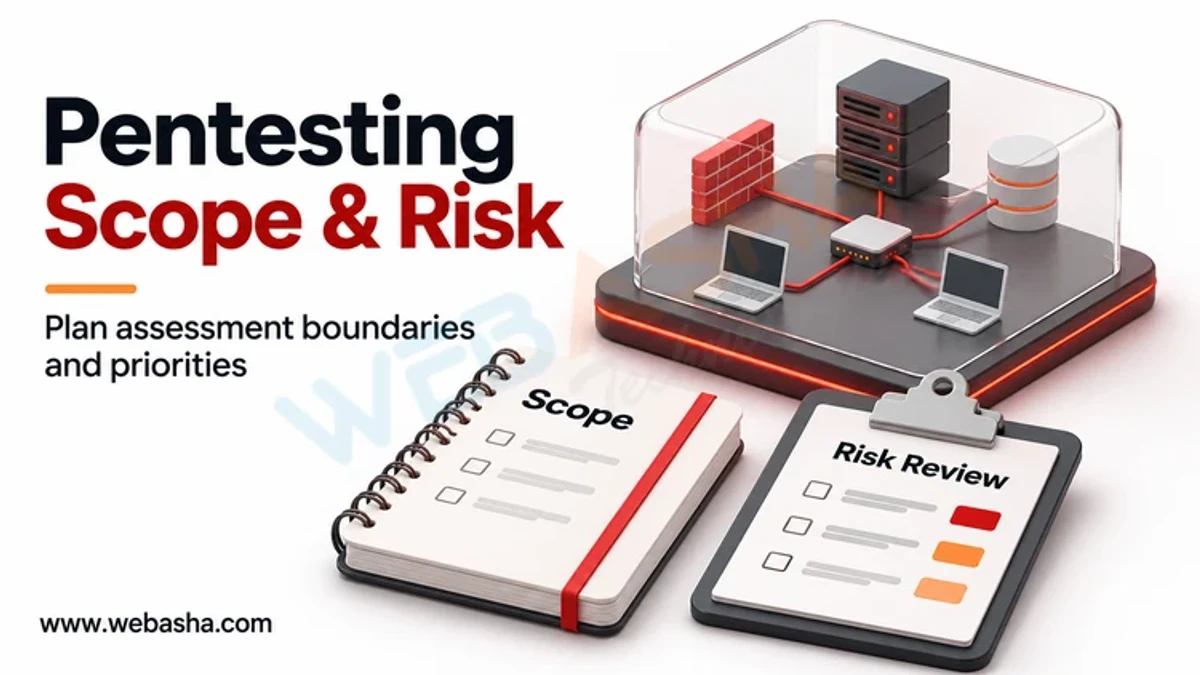
Penetration testing strengthens cybersecurity by identifying vulnerabilities before malicious actors exploit them. This blog provides an in-depth guide to target selection, penetration test planning, security exceptions, risk assessment, tolerance determination, and scope creep, essential topics covered in the CEH Master certification syllabus. The article explains internal vs. external testing, how to define test scope, schedule tests, and manage security exceptions during ethical hacking. It highlights risk assessment techniques, including risk avoidance, transference, mitigation, and acceptance, while covering strategies to manage scope creep in penetration tests. This guide is essential for ethical hackers, cybersecurity professionals, and CEH Master candidates aiming to master penetration testing methodologies.

Mastering Nmap Scripts | A Guide to Network Security Scanning and Vulnerability Detection

Nmap (Network Mapper) is a powerful tool used by cybersecurity professionals for network scanning, vulnerability detection, and security auditing. One of its most valuable features is the Nmap Scripting Engine (NSE), which allows users to automate various security tasks. NSE scripts help in detecting vulnerabilities, gathering system information, performing brute-force attacks, and identifying misconfigurations. This blog covers the most important Nmap scripts, their commands, real-world applications, and practical use cases. We will also discuss how to run these scripts effectively, ensuring a complete network security assessment. For penetration testers, system administrators, and ethical hackers, understanding Nmap scripts will significantly enhance network security auditing skills.

Essential Linux Networking Commands for Cybersecurity Experts | Strengthen Network Security and Troubleshoot Like a Pro

Linux is the backbone of modern cybersecurity operations, and mastering Linux networking commands is essential for network security professionals, ethical hackers, and penetration testers. This blog covers 15+ critical Linux commands that help in monitoring, analyzing, and securing networks. From basic commands like ping and ifconfig to advanced tools like tcpdump and nmap, we explore their uses with real-world examples. Understanding these commands helps cybersecurity experts detect vulnerabilities, prevent attacks, and optimize network performance. Learn how to use these powerful tools effectively to protect networks, troubleshoot issues, and strengthen security defenses.