Welcome!

Unlock your personalized experience.
Sign Up
Tag

Penetration testing Articles, Guides & Tutorials - Page 3

182 posts Page 3 / 12

Top 10 Linux Security Tools for Ethical Hackers (2027): Uses, Detection and Safe Practice

Linux is the go-to operating system for ethical hackers due to its open-source nature and vast collection of security tools. In this blog, we explore the top 10 Linux security tools used for penetration testing, vulnerability assessment, and ethical hacking. These tools help cybersecurity professionals analyze network security, exploit vulnerabilities, perform password cracking, and test web applications. From Nmap for network scanning to Metasploit for exploiting security flaws, each tool serves a critical role in securing IT infrastructures. This blog provides a detailed overview, examples, and commands to help you get started with these essential Linux security tools.

Linux Essentials for Cybersecurity Professionals | Mastering Security, Networking, and Command-Line Tools

Linux is the backbone of cybersecurity, offering powerful tools and security configurations essential for protecting systems from cyber threats. For ethical hackers, penetration testers, and security analysts, mastering Linux is important for network defense, vulnerability analysis, and system hardening. This guide covers the fundamental Linux concepts every cybersecurity professional must know, including command-line essentials, user access control, networking tools, security mechanisms, and penetration testing frameworks. From firewall configurations to intrusion detection systems (IDS), this blog explains how Linux enhances cybersecurity. By the end of this article, you'll have a solid understanding of Linux security essentials, allowing you to defend networks, analyze threats, and secure critical infrastructures.

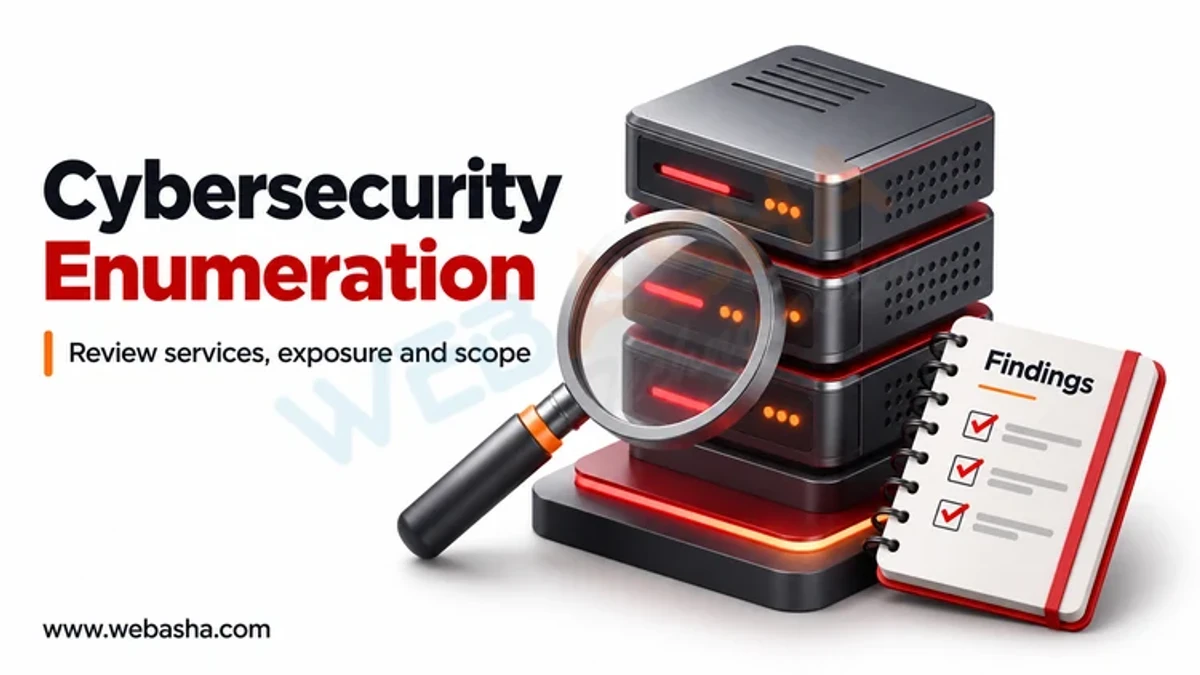
What is Enumeration in Cybersecurity | Techniques, BGP and NFS Exploits, and Effective Countermeasures

Enumeration is a key process in ethical hacking and penetration testing, where security professionals actively gather system information such as user accounts, network shares, and running services to identify vulnerabilities. Attackers, however, exploit enumeration techniques to breach security defenses. This blog covers various enumeration techniques, including Border Gateway Protocol (BGP) and Network File Sharing (NFS) exploits, along with their risks and security countermeasures. BGP, a protocol used for routing internet traffic, is vulnerable to hijacking, route injection, and man-in-the-middle attacks. NFS, which allows file sharing across networks, can expose organizations to unauthorized access and privilege escalation threats. To protect against enumeration attacks, organizations must implement firewalls, access restrictions, encryption, intrusion detection systems (IDS), and regular security audits, and should understand these techniques and deploy strong security measures.

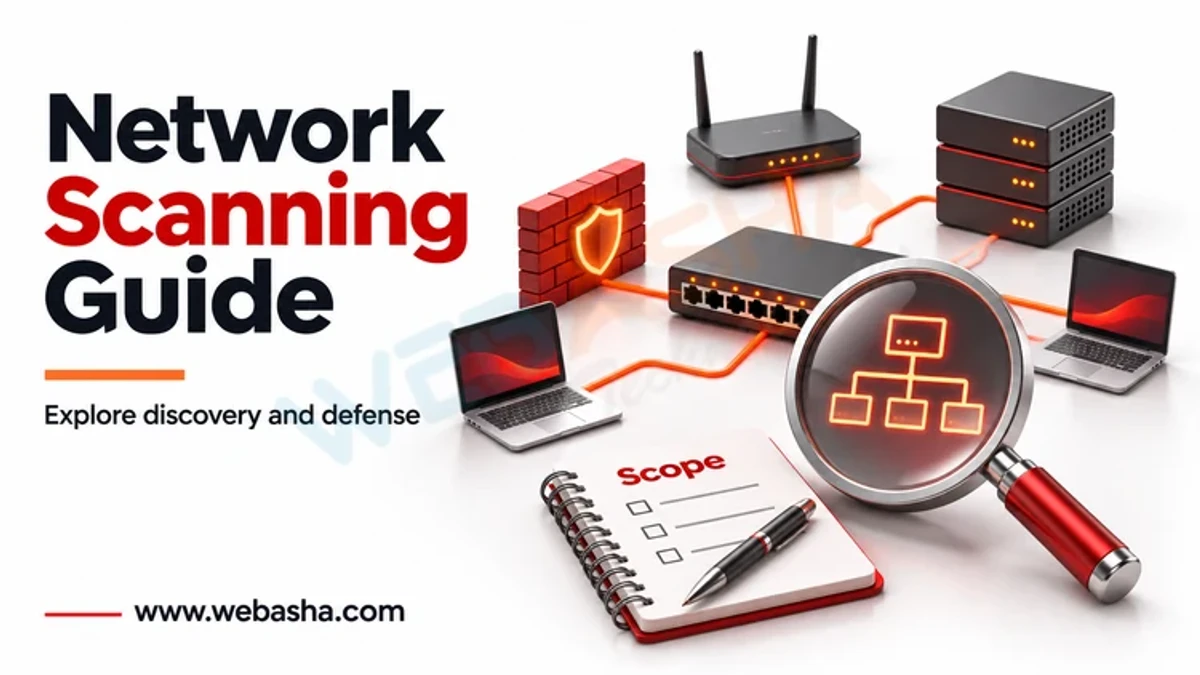
Mastering Network Scanning | Techniques, Tools, and Countermeasures for Enhanced Cybersecurity

Network scanning is an important process in cybersecurity that helps identify active devices, open ports, and vulnerabilities within a network. Ethical hackers and security professionals use various network scanning techniques such as port scanning, network scanning, and vulnerability scanning to assess security risks. However, cybercriminals can also exploit these methods to find weaknesses and launch attacks. This blog covers different network scanning techniques, including TCP Connect Scan, SYN Scan, UDP Scan, Ping Sweep, and Traceroute Scan. It also highlights commonly used tools like Nmap, Wireshark, Nessus, and Fing. While network scanning helps organizations enhance security, detect vulnerabilities, and prevent cyberattacks, it also carries risks such as unauthorized access, denial of service (DoS) attacks, and data breaches. To counter these threats, organizations must implement firewall security, Intrusion Detection and Prevention Systems (IDS/IPS), and network segmentation.

Mastering Network Scanning | Techniques, Tools, and Countermeasures for Enhanced Cybersecurity

Network scanning is an important process in cybersecurity that helps identify active devices, open ports, and vulnerabilities within a network. Ethical hackers and security professionals use various network scanning techniques such as port scanning, network scanning, and vulnerability scanning to assess security risks. However, cybercriminals can also exploit these methods to find weaknesses and launch attacks. This blog covers different network scanning techniques, including TCP Connect Scan, SYN Scan, UDP Scan, Ping Sweep, and Traceroute Scan. It also highlights commonly used tools like Nmap, Wireshark, Nessus, and Fing. While network scanning helps organizations enhance security, detect vulnerabilities, and prevent cyberattacks, it also carries risks such as unauthorized access, denial of service (DoS) attacks, and data breaches. To counter these threats, organizations must implement firewall security, Intrusion Detection and Prevention Systems (IDS/IPS), and network segmentation.

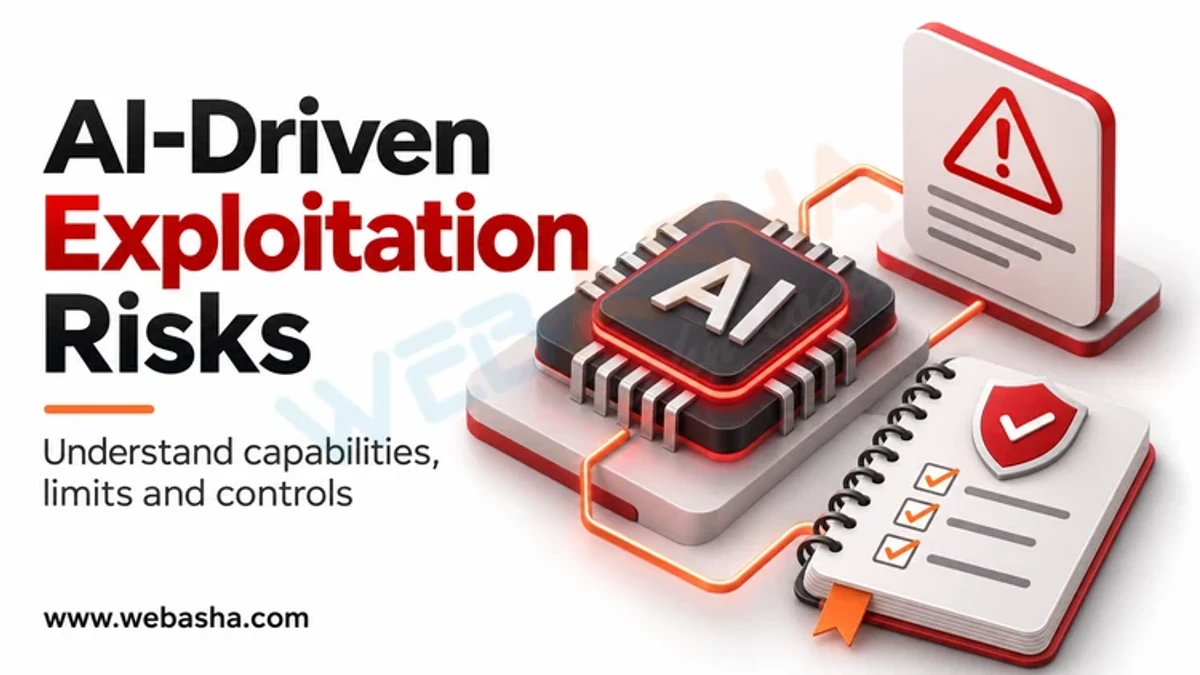
AI-Driven Exploitation | How Dangerous Can It Get?

AI is changing cybersecurity for attackers as well as defenders. Cybercriminals are now using AI to automate attacks, evade detection, and scale their cyber operations more efficiently than ever before. AI-driven exploitation allows hackers to use machine learning to generate phishing attacks, create self-adapting malware, crack passwords faster, and manipulate individuals through deepfake-based social engineering. This post covers the growing threat of AI-driven exploitation, its most dangerous applications, real-world case studies, and what cybersecurity professionals can do to defend against these evolving threats. The battle between AI-powered attackers and AI-enhanced defenders will define the future of cybersecurity.

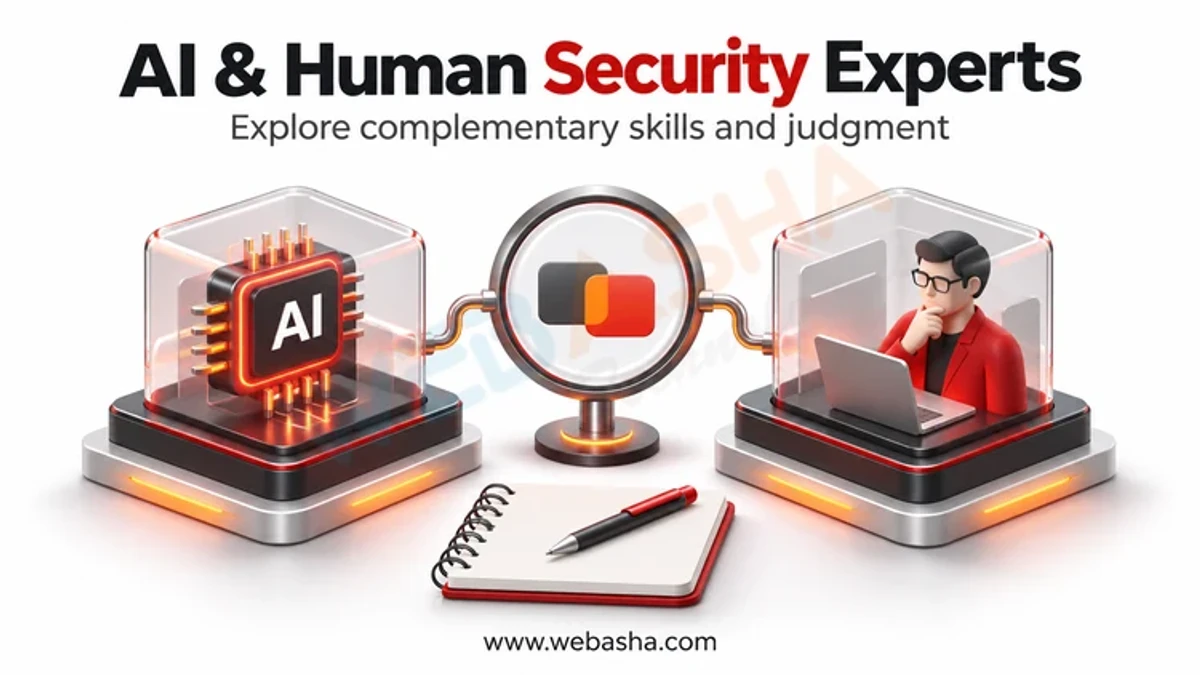
AI vs Human Hackers: Strengths, Limits and Why the Best Results Combine Both

The battle between AI and human hackers is reshaping the future of cybersecurity. AI-powered security systems offer speed, automation, and large-scale monitoring, detecting threats faster than humans. However, human hackers bring creativity, unpredictability, and advanced social engineering tactics that AI struggles to counter. While AI excels at automating penetration testing, detecting malware, and blocking phishing attacks, ethical hackers and cybercriminals alike exploit AI's limitations, such as zero-day vulnerabilities and adversarial AI manipulation. This blog explores the strengths and weaknesses of AI vs. human hackers, their roles in cyber warfare, and why AI and human intelligence must work together for ultimate cybersecurity protection.

How to Become an Ethical Hacker Legally | A Complete Guide to Building a Successful Cybersecurity Career

Ethical hacking is a rapidly growing field that improves cybersecurity by identifying vulnerabilities in computer systems before malicious hackers can exploit them. This post is an in-depth guide on how to become an ethical hacker legally, including the essential skills, certifications, tools, and legal considerations required for the profession. It emphasizes the importance of understanding cybersecurity laws, obtaining proper authorization, and gaining hands-on experience. By following legal and ethical protocols, aspiring ethical hackers can build a successful career while contributing positively to cybersecurity.

Is Ethical Hacking a Good Career for the Future? Understanding the Growing Opportunities and Skills Required

As cyber threats continue to grow in complexity and scale, the demand for skilled ethical hackers is higher than ever. Ethical hackers, also known as white-hat hackers or penetration testers, protect organizations against cyberattacks by identifying vulnerabilities before malicious actors can exploit them. This post covers why ethical hacking is a lucrative and future-proof career option. It looks at the importance of ethical hacking in the cybersecurity industry, the job prospects, required skills, and certifications, and why this field is set for growth in the years to come. The career offers high earning potential, continuous learning, job flexibility, and various roles to pursue, such as penetration tester, security analyst, and security consultant. With the increasing threats from cybercriminals, ethical hackers are expected to be in high demand, making it an attractive career for the future.

Top Ethical Hacking Certifications for Beginners in 2027 | A Complete Guide to Building Your Cybersecurity Career

As the demand for cybersecurity professionals continues to rise, ethical hacking has become a highly sought-after skill. In 2026, obtaining the right ethical hacking certification is important for beginners looking to break into the field of cybersecurity. This post covers the top ethical hacking certifications for beginners, including CEH (Certified Ethical Hacker), CompTIA PenTest+, eJPT (eLearnSecurity Junior Penetration Tester), GIAC Security Essentials (GSEC), and OSCP (Offensive Security Certified Professional). It covers the prerequisites, costs, benefits, and preparation tips for each certification, providing a detailed roadmap for aspiring ethical hackers.

How to Prepare for an Ethical Hacking Interview | Complete Guide for Aspiring Ethical Hackers

Ethical hacking is a rapidly growing field, and preparing for an ethical hacking interview requires a combination of technical knowledge, hands-on experience, and problem-solving skills. This blog provides a detailed guide on how to prepare for an ethical hacking interview, covering essential topics such as networking, penetration testing, ethical hacking tools, programming languages, and cybersecurity certifications. Candidates should focus on learning key security concepts, practicing on platforms like Hack The Box and TryHackMe, and gaining real-world experience through CTF challenges and bug bounty programs. Common interview topics include ethical hacking methodologies, web application security, social engineering attacks, and report writing. The blog also discusses common mistakes to avoid, the importance of hands-on practice, and how to demonstrate expertise during an interview. By following a structured approach and staying updated with the latest security trends, aspiring eth

Ethical Hacking for Business Owners | A Complete Guide to Protecting Your Business from Cyber Threats

Ethical hacking is a proactive and essential practice for business owners who want to protect their systems, data, and reputation from cyber threats. By conducting penetration testing, vulnerability assessments, and employee training, businesses can strengthen their cybersecurity defenses and build trust with clients. Hiring qualified ethical hackers and implementing regular security assessments are important steps in safeguarding a business from data breaches and other malicious attacks. Ethical hacking helps businesses stay ahead of cybercriminals, ensuring their long-term success in a digital world.

Ethical Hacking for Business Owners | A Complete Guide to Protecting Your Business from Cyber Threats

Ethical hacking is a proactive and essential practice for business owners who want to protect their systems, data, and reputation from cyber threats. By conducting penetration testing, vulnerability assessments, and employee training, businesses can strengthen their cybersecurity defenses and build trust with clients. Hiring qualified ethical hackers and implementing regular security assessments are important steps in safeguarding a business from data breaches and other malicious attacks. Ethical hacking helps businesses stay ahead of cybercriminals, ensuring their long-term success in a digital world.

What Are the Prerequisites for Learning Ethical Hacking? A Complete Guide to Building Your Foundation in Cybersecurity

Learning ethical hacking requires a blend of foundational knowledge, technical skills, and hands-on experience. Ethical hacking is a critical skill for cybersecurity professionals, enabling them to detect vulnerabilities, prevent cyber-attacks, and safeguard systems. This blog outlines the essential prerequisites for learning ethical hacking, including basic computer and network knowledge, understanding operating systems, programming and scripting skills, cybersecurity fundamentals, familiarity with security tools, and practical experience. By acquiring these skills, individuals can embark on a successful career as ethical hackers, contributing to the growing need for cybersecurity experts today.

How to Transition from IT Support to Ethical Hacking | A Complete Guide to Building a Career in Cybersecurity

The shift from IT support to ethical hacking is a growing trend among professionals looking to take their careers to the next level in the fast-paced world of cybersecurity. IT support professionals possess strong foundational knowledge in areas like networking, systems administration, and troubleshooting, all of which are essential in ethical hacking. However, to make a successful career transition, one must acquire additional skills in penetration testing, cybersecurity tools, and network defense strategies. This post covers the steps IT support professionals should take to enter ethical hacking, including relevant certifications, skill development, and hands-on practice. It also covers the job roles available in cybersecurity, the tools needed for ethical hacking, and how to stay updated in this fast-changing field. For anyone looking to become a penetration tester, security analyst, or ethical hacker, this guide provides a roadmap to make the transition smoother.