
Welcome!

Unlock your personalized experience.
Sign Up
Tag

Penetration testing Articles, Guides & Tutorials - Page 5

182 posts Page 5 / 12

Is Cybersecurity a Good Career? How to Assess Your Fit

Cybersecurity can be a suitable career if you enjoy investigating systems, managing risk and explaining decisions, but suitability depends on the role and your circumstances. Technical testing is one option among security operations, governance, engineering and learning roles. Assess the actual tasks, entry requirements, working arrangements and learning costs before committing to a transition.

How to Move From IT Support Into Cybersecurity

Build a move from IT support into cybersecurity around the systems and decisions you already understand. Map account administration, troubleshooting and change records to a target security role, then identify the security analysis and reporting skills you still need. Seek approved shadowing or a bounded internal project before assuming production access permits investigation or testing.

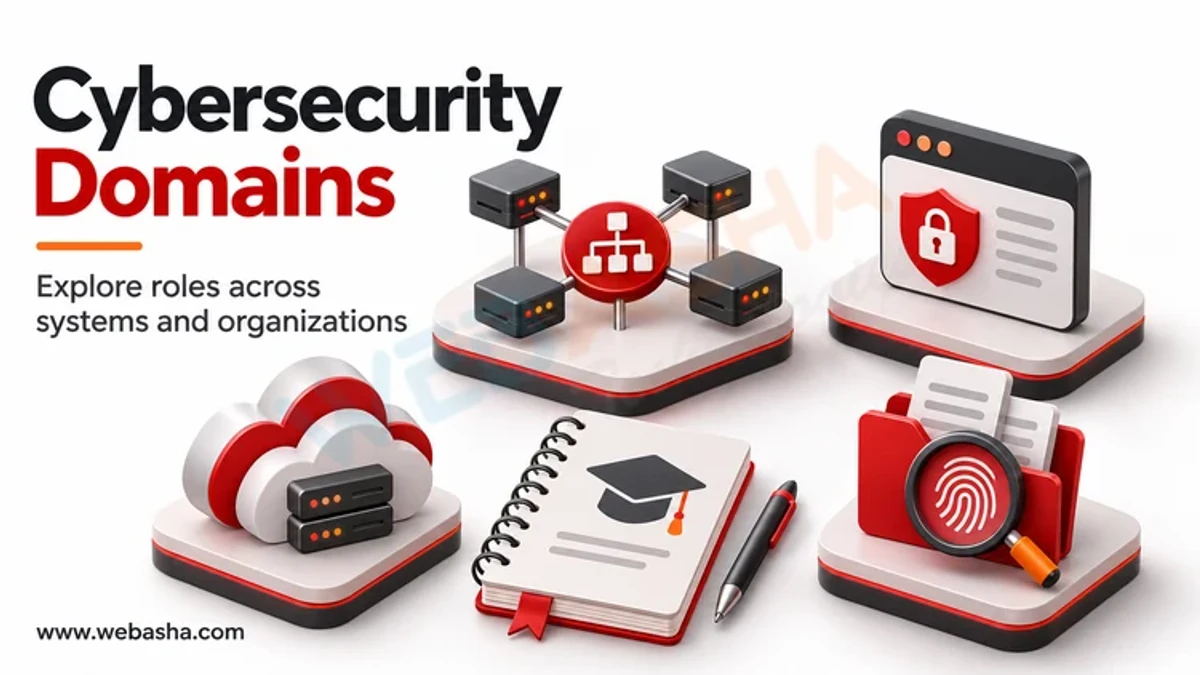
Cybersecurity Domains: What Each Area Protects

Cybersecurity domains group related problems, such as protecting identities, applications, infrastructure or organisational information. They overlap: a cloud application can involve access management, secure development, monitoring and governance at the same time. Use domains to understand the controls and evidence needed, then investigate the actual responsibilities of a role.

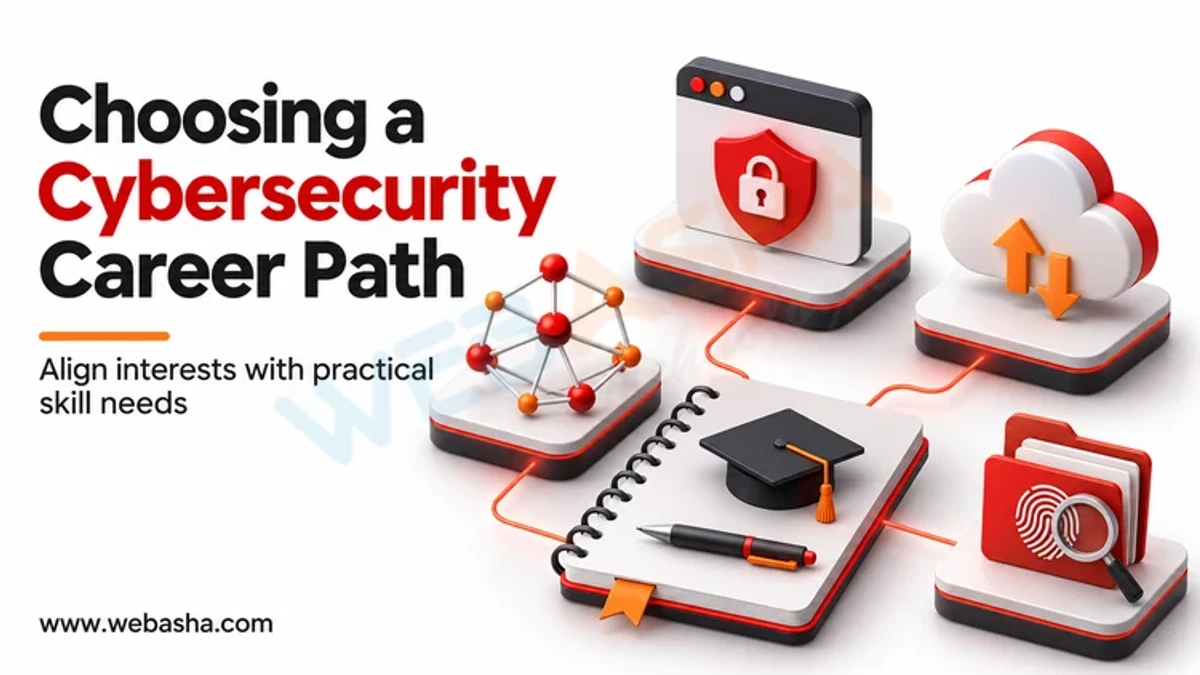
Cybersecurity Career Paths: Choosing Your Next Learning Step

Choose a cybersecurity career path by comparing a few role families, trying relevant tasks and checking current entry conditions. Start with the work you want to perform rather than a fixed ladder from beginner to architect. Operations, engineering, application security, governance and other directions have different prerequisites, outputs and decision authority.

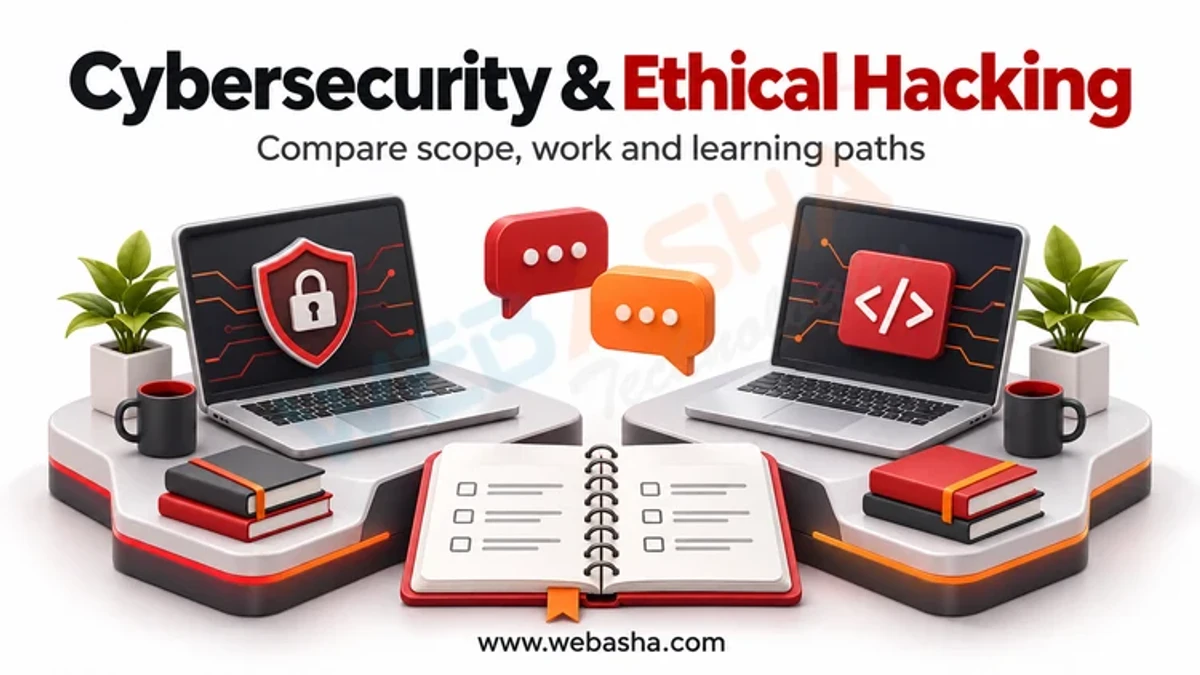
Cybersecurity vs Ethical Hacking: Scope and Responsibilities

Cybersecurity is the broader work of managing risks to systems and information. Ethical hacking is authorised security testing intended to find and explain weaknesses within an agreed scope. Testing can contribute evidence to a security programme, but that programme also needs control operation, secure development, monitoring, response, governance and learning.

How Long Does It Take to Learn Cybersecurity?

There is no single defensible duration for learning cybersecurity, because the goal, starting knowledge, study capacity and required level of independence differ. Estimating time for a specific task is more useful than promising mastery or job readiness within a fixed number of months. Try a small learning unit, record the time and help needed, then plan the next stage with review and revision time included.

Learning Ethical Hacking Without a Programming Background

You can start learning ethical hacking before you can write programs by studying systems, networks and web behaviour, then observing and explaining a narrowly scoped authorised exercise. Introduce code reading and small automation when the task requires them. This sequence lets you build missing foundations without treating tools as a substitute for understanding.

Cybersecurity Skills for Job Applications: What to Demonstrate

Build cybersecurity application evidence around the responsibilities of a specific role. Foundations such as networks, operating systems, access control and clear communication support many tasks, but the required depth varies. Demonstrate how you interpret evidence, recognise uncertainty, work within authority and respond to feedback.

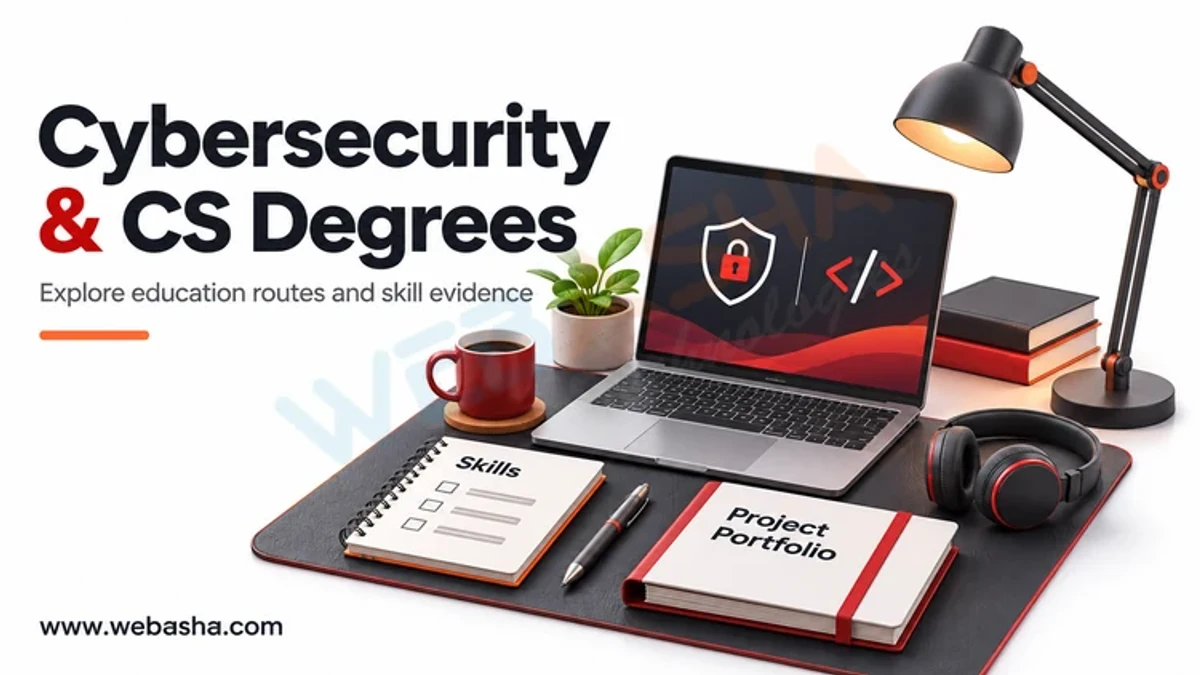
Do You Need a Computer Science Degree for Cybersecurity?

A computer science degree is one possible route into cybersecurity learning and employment, but there is no single education rule covering every role. Check the mandatory criteria of the specific employer or programme and compare them with your qualifications. A degree can provide structured foundations, while independent study, relevant work and assessed credentials can support other routes where accepted.

Becoming a Cybersecurity Analyst With No IT Experience

Start preparing for analyst work by learning how systems produce events and how to distinguish observations from conclusions. Build basic account, network and operating-system knowledge, then practise with synthetic records or an explicitly authorised lab. Document a timeline, possible explanations, missing information and an appropriate escalation.

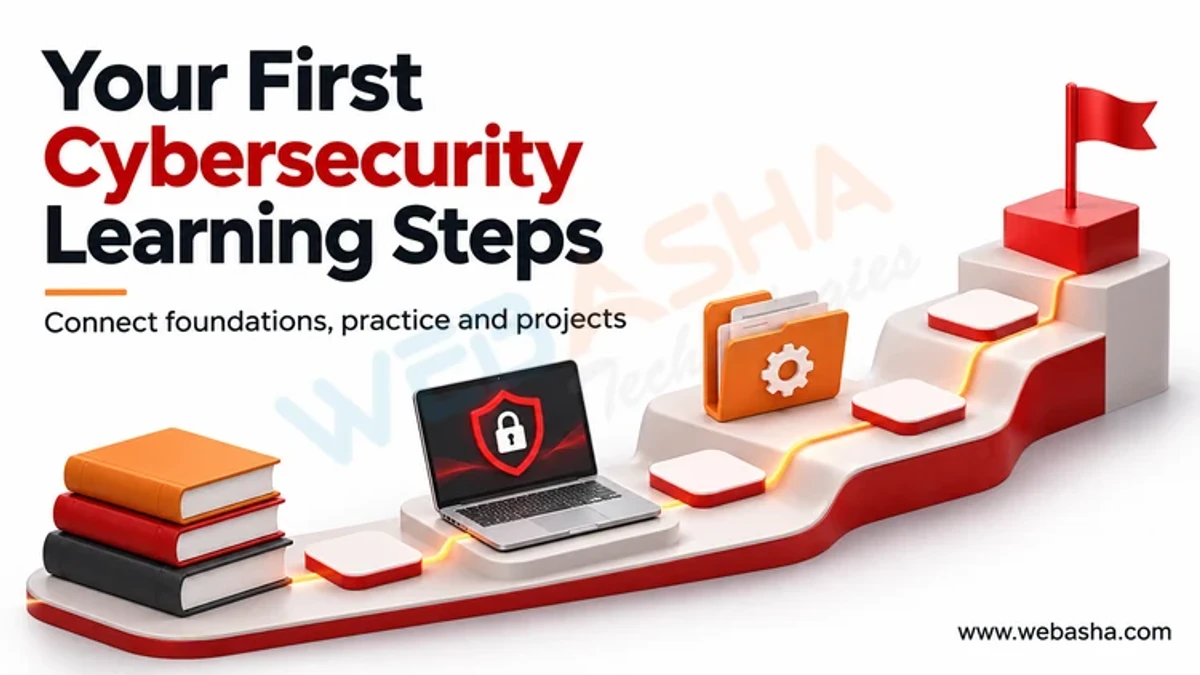
What Is the First Step to Learning Cybersecurity?

Start with one small task you can explain: how a file, account or browser request behaves on a system you are allowed to use. Record the expected result, what you observed and the question you still cannot answer. Then use an introductory official resource to fill that specific gap. A first session should leave a short explanation and a sensible next task, rather than a large collection of installed tools.

Learning Cybersecurity in Three Months: A Defensive Study Plan

Use three months as a planning window for a small foundation project, not a promise of mastery or employment. Spend the first part understanding systems and requests, the next part interpreting safe example data and controls, and the final part producing a reviewed report. Choose a weekly workload you can sustain and repeat topics when their prerequisites remain unclear.

Is Cybersecurity Hard for Beginners? Find the Specific Gap

Cybersecurity can feel difficult when a lesson combines unfamiliar systems, setup steps and security concepts. Identify which part is blocking you instead of treating every failed exercise as a judgement about your ability. Ask whether the problem is a missing prerequisite, an environment mismatch, unclear instructions or an unsupported interpretation.

Can a Non-Programmer Learn Cybersecurity? Start by Reading Code

A non-programmer can begin suitable cybersecurity study while gradually learning the code-reading needed for a chosen task. Start by identifying a small program's input, flow, output and effects, then predict its behaviour before running it with invented data. Reading a supplied example is different from independently building operational automation, and neither provides permission to affect another system.

Penetration Testing Careers: Industries and Hiring Checks

Organisations across finance, software, retail, healthcare, public services and other sectors can need authorised security assessments, but an assessment need is not evidence of a current job opening. Investigate the systems involved, the consequences of testing and whether the work is performed internally or through a specialist provider. Then verify current vacancies and their requirements through the employer.