Welcome!

Unlock your personalized experience.
Sign Up
Tag

Ethical hacking tools Articles, Guides & Tutorials

48 posts Page 1 / 3

Nmap, Burp Suite, Metasploit, Wireshark and many others each have a place in an ethical hacker's toolkit. These posts explain what each tool is for, how to use it responsibly and how it fits into a test.

Practise with them in guided labs on our KLCP, CEH Practical and OSCP+ courses.

Top Network Security Tools Professionals Use, Grouped by Job

Network security professionals pick tools by job. Firewalls such as pfSense and OPNsense control traffic; Suricata and Snort detect intrusions with signatures; Zeek records what happens on the network for investigation; Wireshark and tcpdump capture packets; Nmap discovers hosts and services; Greenbone or Nessus find vulnerabilities; and a SIEM such as Wazuh or Splunk correlates alerts.
What Is Recon-ng and How Do Ethical Hackers Use It for OSINT?

Recon-ng is an open source framework for open source intelligence (OSINT) gathering, written in Python and included in Kali Linux. It works like a console with workspaces, a built-in database and installable modules that query public sources such as DNS, certificate transparency logs and search APIs to find domains, hosts and contacts related to a target.

MAC Spoofing Tools and Commands: Ethical Hacking and Network Privacy Guide

On Linux, change a MAC address with ip link set dev eth0 address 02:11:22:33:44:55, macchanger, or NetworkManager's cloned-mac-address setting for a permanent change. On Windows, use the adapter's "Network Address" property, PowerShell Set-NetAdapter -MacAddress, or Technitium MAC Address Changer. On macOS, use ifconfig or the built-in private Wi-Fi address. Use these only on your own devices or authorised tests.

Top Cyber Attack Types Explained With Examples and Prevention Tips

The cyber attacks organisations and individuals face most often are phishing and business email compromise, ransomware, credential attacks such as password spraying, exploitation of unpatched internet-facing systems, web application attacks, DDoS, supply chain compromise and insider misuse. Most start with a person clicking, a weak or reused password, or a missing patch.

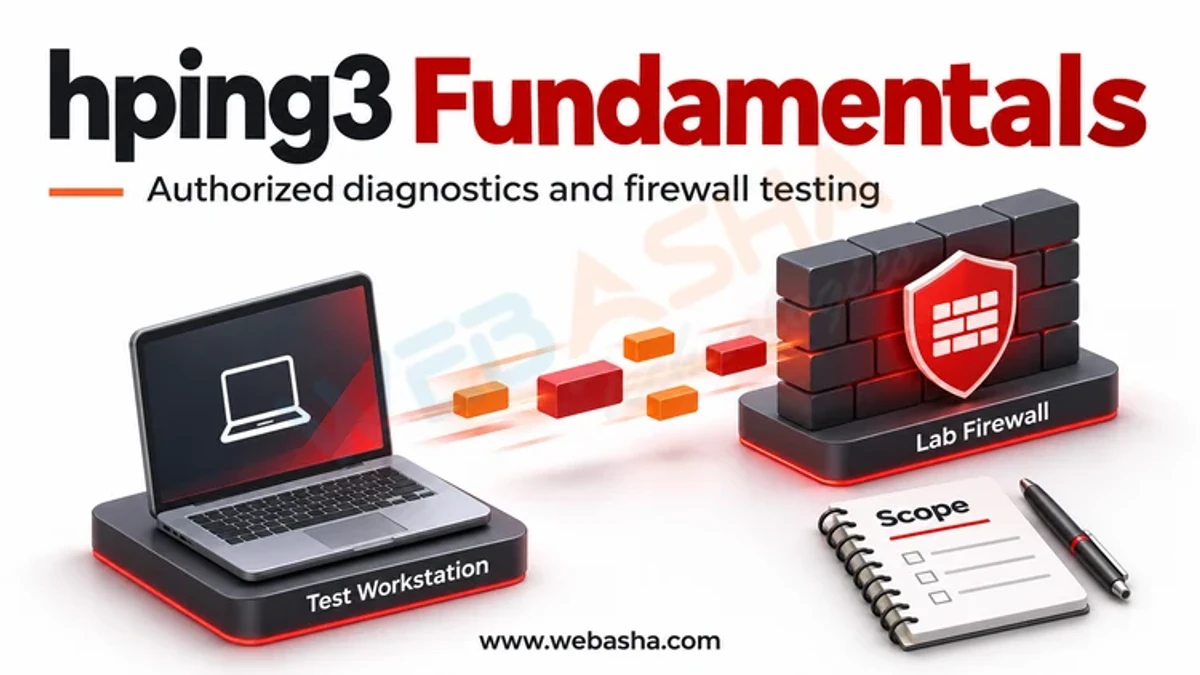
What Is hping3? Packet Crafting Explained for Defenders

hping3 is a free, command-line packet crafting tool for Linux and Unix. Instead of sending normal traffic, it lets a user build TCP, UDP, ICMP or raw IP packets with chosen flags, sizes and rates. Security engineers use it in labs to test whether firewall rules and intrusion detection systems behave as expected. Attackers misuse the same ability for stealthy scans and SYN floods.

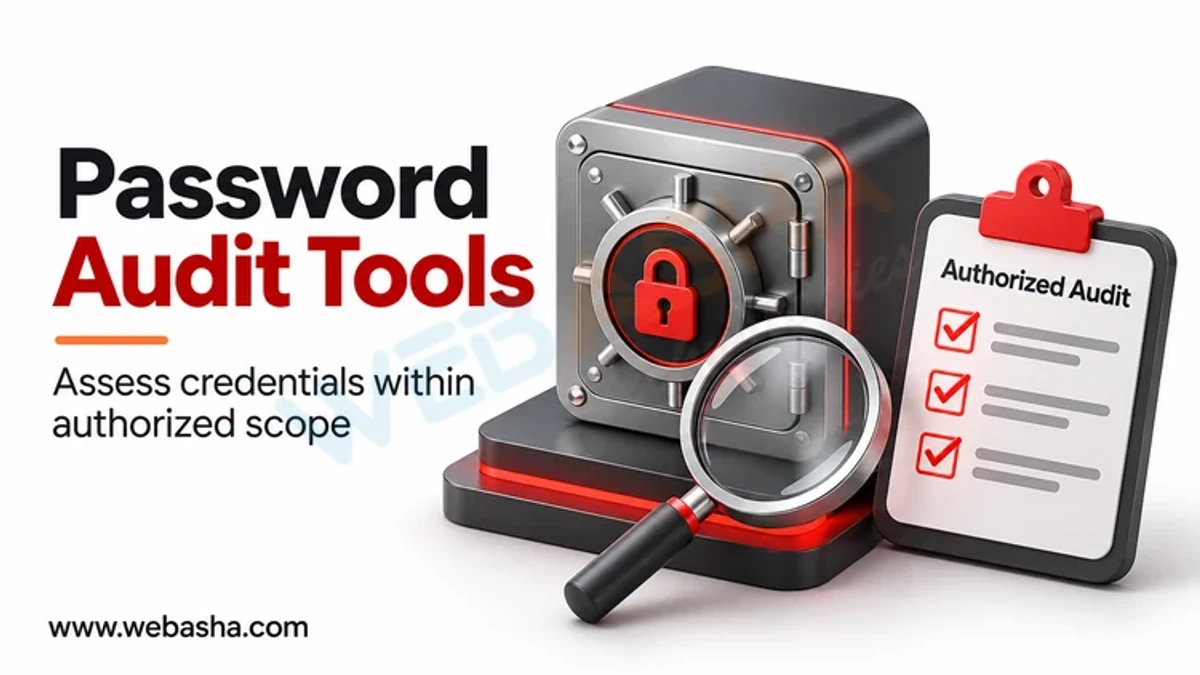
Password Cracking Tools: How Security Teams Use Them and Defend

Password cracking tools are programs that test whether passwords can be guessed. They fall into two groups. Offline crackers, such as Hashcat and John the Ripper, try guesses against stolen or exported password hashes on the tester's own hardware. Online tools, such as Hydra, try guesses against a live login page or service.

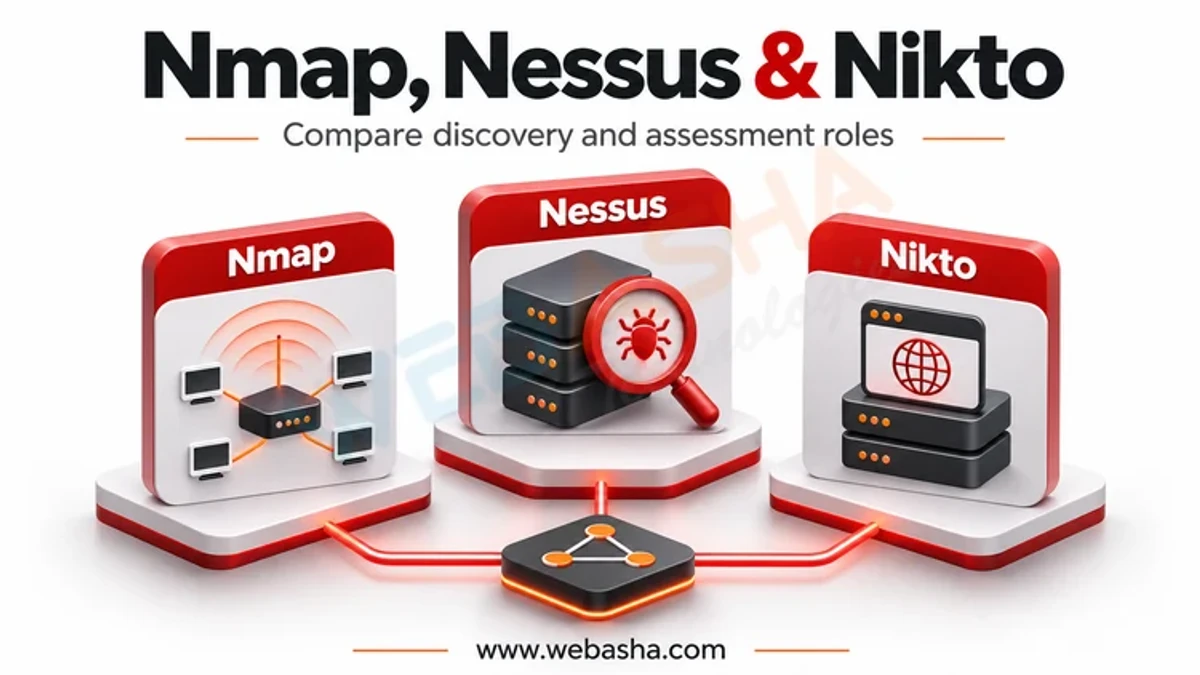
Nmap vs Nessus vs Nikto: What Each Tool Does and How They Fit Together

Nmap, Nessus and Nikto answer different questions. Nmap is a network discovery tool: it finds which hosts are live, which ports are open and which services are running. Nessus is a vulnerability scanner: it checks hosts against a large library of known vulnerabilities and misconfigurations and rates the risk.

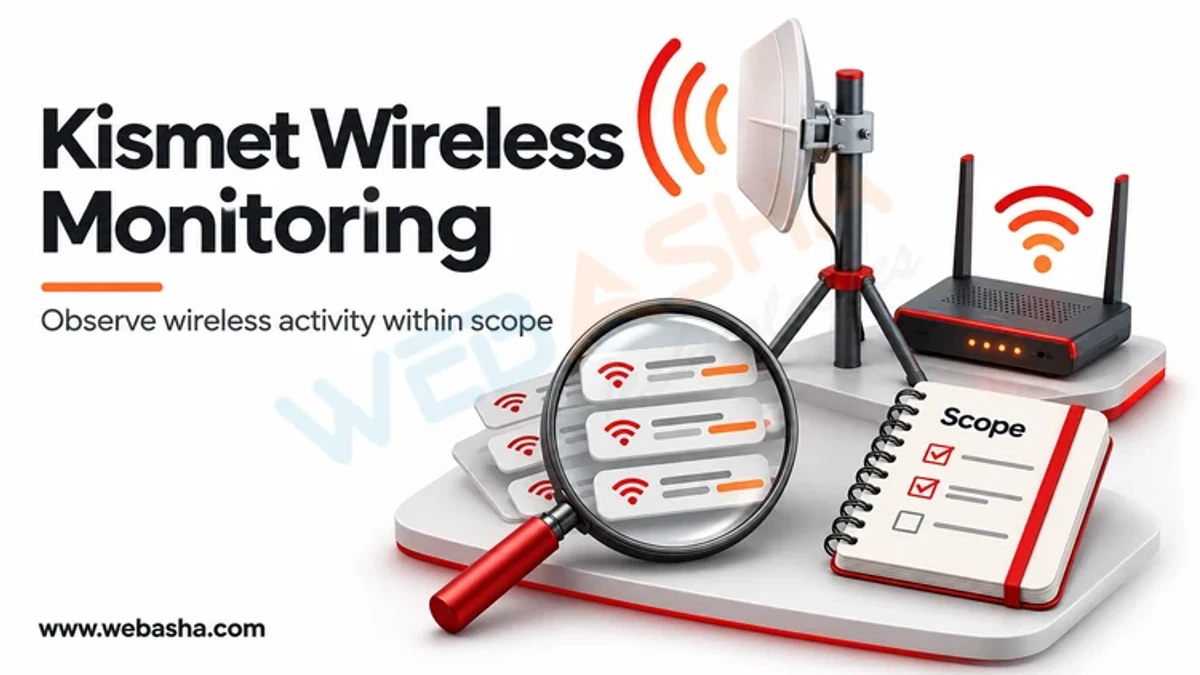
Kismet Explained: Wireless Sniffer and IDS for 802.11 Networks

Kismet is a free, open source tool that passively detects wireless networks and devices, captures wireless traffic and works as a wireless intrusion detection system (WIDS). It listens on 802.11 Wi-Fi and, with suitable hardware, other radio protocols such as Bluetooth. Because it only listens, it can find networks that do not broadcast their names and does not reveal its own presence.

Using Wireshark on Your Own Network: What Your Traffic Really Shows

Running Wireshark on your own computer and home network shows which devices talk, which domain names they look up, which servers they connect to and how often. Most web content is encrypted with TLS, so you will not see passwords or page contents for HTTPS sites, but you can still see DNS queries (unless encrypted), the server name in many TLS handshakes, IP addresses and traffic volume.

Inside Kali Linux: Top Ethical Hacking Tools for Beginners

Kali Linux is a free Debian-based distribution maintained by OffSec for authorised security testing, digital forensics and research. It bundles hundreds of tools grouped into categories such as information gathering, web application testing, wireless assessment, password auditing, forensics and reporting.

Top 5 Penetration Testing Tools for Web Application Security

Five widely used tools for authorised web application penetration testing are Burp Suite, ZAP, Nmap, sqlmap and Nikto. Burp Suite and ZAP are intercepting proxies that let testers inspect and modify traffic between a browser and an application, and both include automated scanners. Nmap maps hosts, open ports and services. sqlmap checks whether parameters are vulnerable to SQL injection.