Welcome!

Unlock your personalized experience.
Sign Up
Tag

Ethical hacking tools Articles, Guides & Tutorials - Page 3

48 posts Page 3 / 3

Can a Non-Technical Person Learn Ethical Hacking?

A non-technical person can learn ethical hacking, but entering the field means becoming technically capable rather than avoiding technical work. Begin with everyday computer operation, files and accounts, then study networks, operating systems and web behaviour. Use guided, authorised exercises and explain each result in plain language.
Cybersecurity vs Ethical Hacking: Scope and Responsibilities

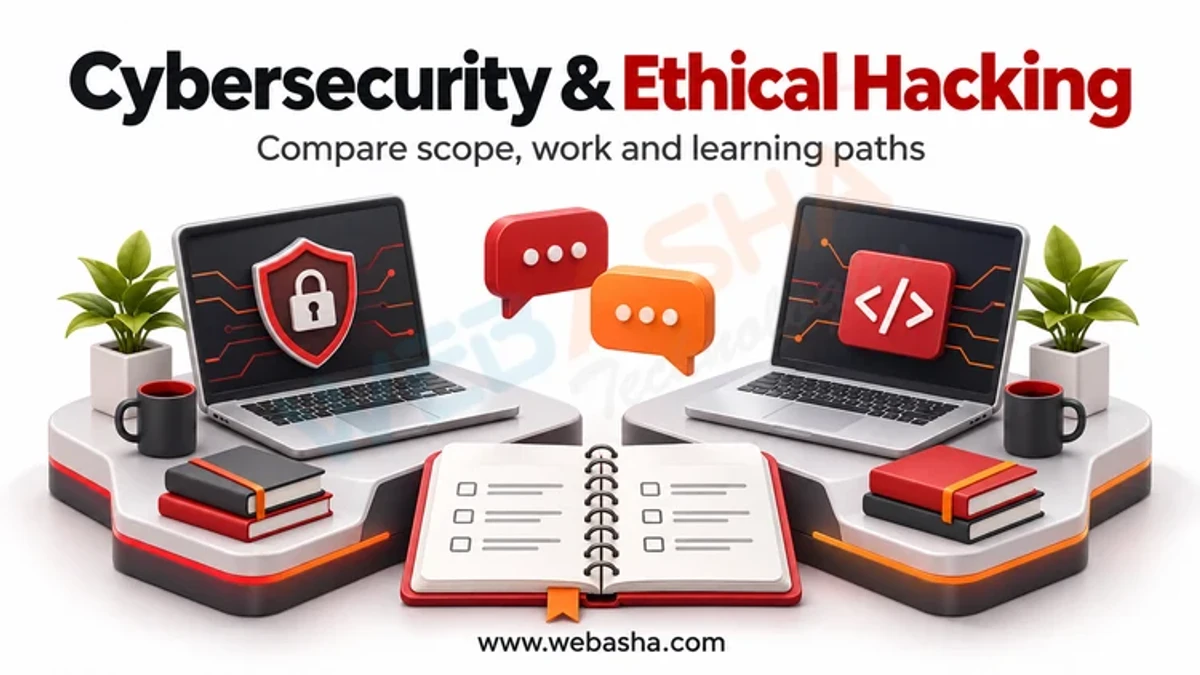
Cybersecurity is the broader work of managing risks to systems and information. Ethical hacking is authorised security testing intended to find and explain weaknesses within an agreed scope. Testing can contribute evidence to a security programme, but that programme also needs control operation, secure development, monitoring, response, governance and learning.

Learning Ethical Hacking Without a Programming Background

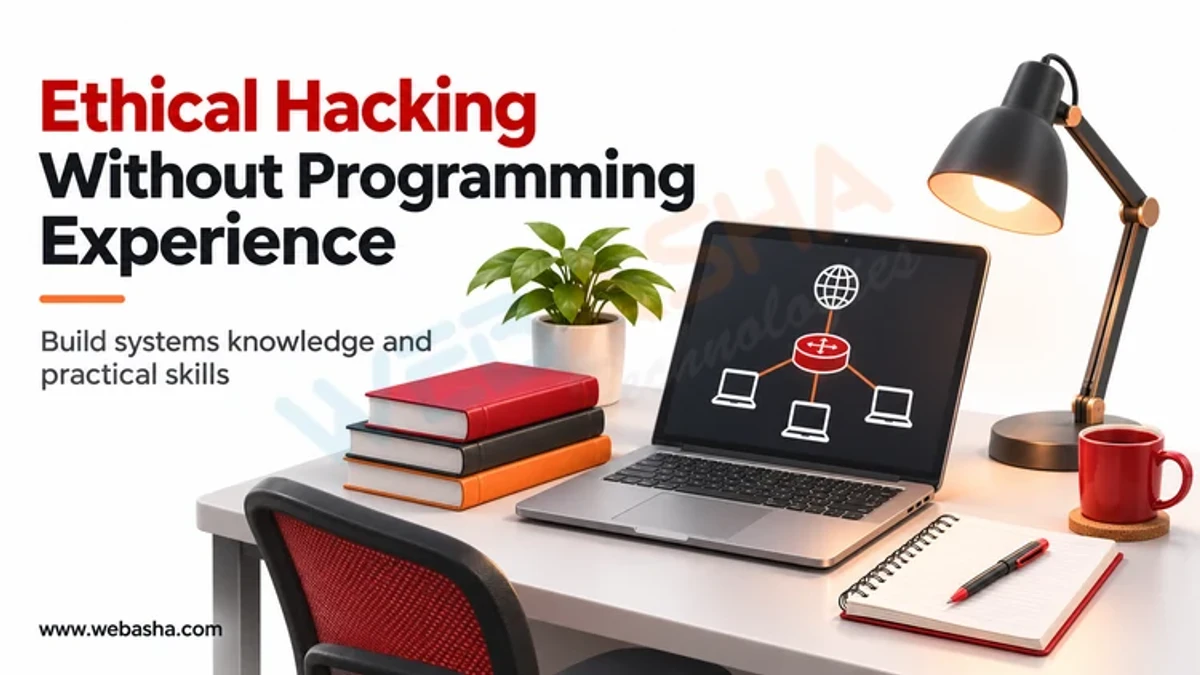
You can start learning ethical hacking before you can write programs by studying systems, networks and web behaviour, then observing and explaining a narrowly scoped authorised exercise. Introduce code reading and small automation when the task requires them. This sequence lets you build missing foundations without treating tools as a substitute for understanding.

BlackEye and Phishing Toolkits: A Defender’s Comparison

For a defender, the useful comparison is between the behaviour a phishing attempt produces and the controls that can interrupt it. A copied sign-in page, an attempt to abuse an authenticated session and a managed training exercise raise different questions about passwords, authentication, reporting and approval. Do not identify a toolkit solely from how a page looks.

Advantages of Kali Linux for an Authorised Assessment

Kali can make an authorised assessment easier to organise by providing maintained security packages, documented images and task-oriented software groups. Those benefits depend on choosing and recording the right environment. A distribution name does not establish that every required tool is installed, that results are repeatable or that testing is permitted.

Aircrack-ng: Plan a Wireless Lab Around Real Capabilities

Aircrack-ng is a suite for assessing aspects of wireless security, with capabilities that depend on the adapter, chipset, driver and operating environment. Before a supervised exercise, decide which observation the lesson requires and whether the lab can actually provide it.

Hydra Explained: Review Online Authentication Defences

Hydra is a tool associated with online authentication testing across multiple services. For administrators, the practical lesson is to review how each sign-in path handles failed attempts, additional authentication and recovery. Online login attempts differ from offline analysis of stored password verifiers.

Acunetix Assessment: Verify Login and Crawl Coverage

Acunetix, renamed Invicti Web + API in the vendor's August 2026 announcement, supports automated web application assessment. A meaningful review checks which application areas and user roles were actually reached. Configured credentials and a completed status do not prove authenticated coverage. Inspect session evidence, warnings and the discovered structure against the owner's expected workflows.

John the Ripper: Interpret a Bounded Password Audit

John the Ripper is a password security auditing and recovery tool. A responsible offline audit begins with authorised inputs, a known verifier format, suitable access controls and a defined reporting objective. Supported formats differ between builds, and an input that was not loaded was not meaningfully tested. A password not recovered within a bounded exercise is not proven unguessable.

Nessus: Verify Authenticated Evidence Before Closing Patches

Nessus supports vulnerability assessment through remote observations and, with suitable authorised access, local checks. Before relying on a patch result, verify that the relevant asset was reached and the needed local inventory was successfully collected. A saved credential does not prove authenticated coverage, and successful login alone is insufficient.

DirBuster for Authorised Content Discovery and Result Review

DirBuster requests candidate web paths to help an authorised assessor identify exposed resources. Its results need comparison with the application's normal missing-page, redirect and access-denied behavior. An HTTP 200 response does not prove a sensitive file exists, and a discovered path does not prove unauthorised access. Plan the request budget and stop conditions with the owner before active testing.

Social Engineering Attacks: Verify Requests Before Acting

Social engineering persuades someone to take an action that benefits an attacker, such as changing payment details, resetting an account or allowing physical access. The request can arrive through email, voice, chat or an apparently genuine account. Defend the business action with independent verification, limited authority and a clear reporting route.

ShellGPT on Kali Linux: Review Commands Before Use

ShellGPT is a command-line application that uses a configured language-model backend to help with text, code and shell-related tasks. Treat its proposed commands as untrusted input until you understand their effects and your authorisation. Current project options include function calling and configurable execution behaviour, so a blanket promise that nothing can execute automatically is unsafe.

Ethical Hacking Interview Questions for Scoped VAPT

Ethical hacking interviews should test permission, technical reasoning and responsible reporting together. A professional label or a helpful intention does not authorise an action. The fictional case below starts with an approved college portal and a supplied redirect to a separately operated payment service.