Mastering Network Scanning | Techniques, Tools, and Countermeasures for Enhanced Cybersecurity
Network scanning is an important process in cybersecurity that helps identify active devices, open ports, and vulnerabilities within a network. Ethical hackers and security professionals use various network scanning techniques such as port scanning, network scanning, and vulnerability scanning to assess security risks. However, cybercriminals can also exploit these methods to find weaknesses and launch attacks. This blog covers different network scanning techniques, including TCP Connect Scan, SYN Scan, UDP Scan, Ping Sweep, and Traceroute Scan. It also highlights commonly used tools like Nmap, Wireshark, Nessus, and Fing. While network scanning helps organizations enhance security, detect vulnerabilities, and prevent cyberattacks, it also carries risks such as unauthorized access, denial of service (DoS) attacks, and data breaches. To counter these threats, organizations must implement firewall security, Intrusion Detection and Prevention Systems (IDS/IPS), and network segmentation.
Topic: Network Security in Cybersecurity & Ethical Hacking · Tools
Also covers: Cybersecurity Foundations, Security Tools, Authorized Labs & CTFs, Penetration Testing
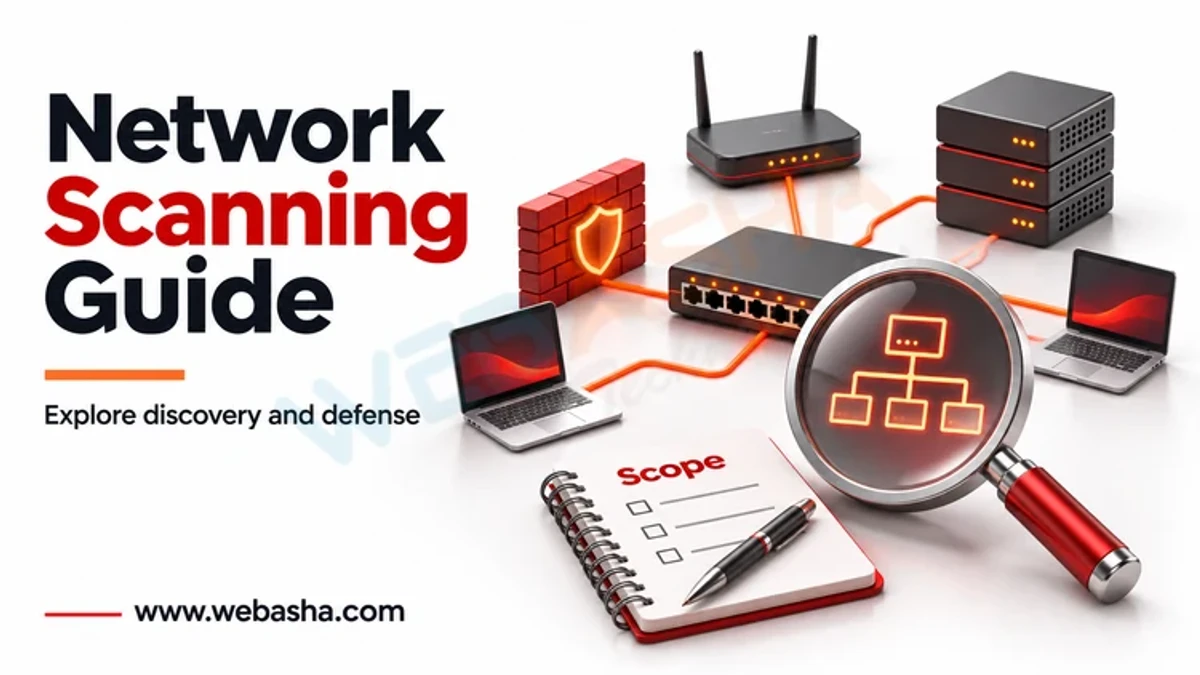
Quick answer: Network scanning finds live hosts, open ports and running services on a network. Administrators use it for security assessment, troubleshooting and penetration testing, while attackers can abuse it to find weaknesses. Defend with firewalls, closing unused ports, intrusion detection and patching, and scan only systems you have permission to test.
Key takeaways
- Run a ping sweep first to find live hosts, then scan ports on those hosts only.
- A SYN scan is quieter than a full connect scan but still shows in logs.
- Scan only networks you own or have written permission to test.
Table of Contents
- What is Network Scanning?
- What Are the Types of Network Scanning Techniques?
- What Are the Common Tools Used for Network Scanning?
- What Are the Risks Associated with Network Scanning?
- Countermeasures Against Network Scanning
- Conclusion
In cybersecurity, network scanning is a process used to identify active devices, open ports, and available services within a network. While it helps network administrators secure their infrastructures, it can also be exploited by attackers to identify vulnerabilities. Here are different network scanning techniques, commonly used tools, potential risks, and effective countermeasures to safeguard against threats.
What is Network Scanning?
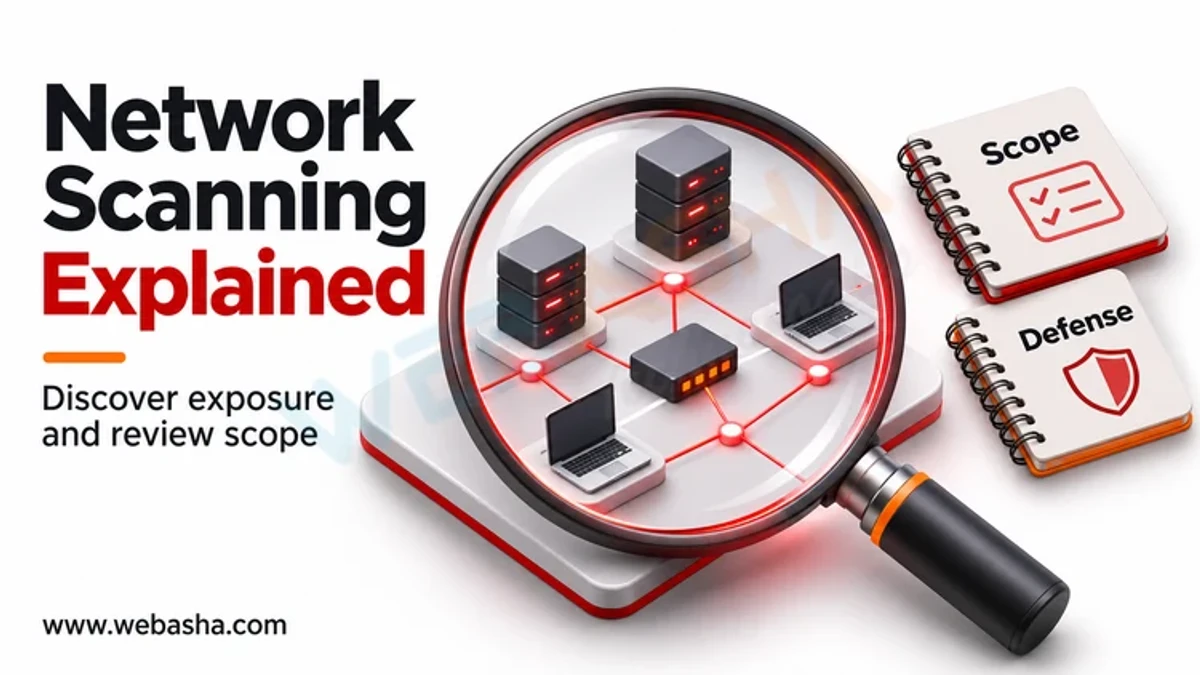
Network scanning is the process of systematically identifying live hosts, open ports, and running services on a network. It is commonly used for:
- Network security assessment to detect vulnerabilities
- Troubleshooting and monitoring network performance
- Penetration testing to simulate cyberattacks and assess security defenses
Attackers use the same techniques to find exploitable weaknesses, so you need to understand and defend against them.
What Are the Types of Network Scanning Techniques?
Network scanning includes several methods, each with specific purposes.
1. Port Scanning
Port scanning is used to identify open ports and services on a target system. Common types include:
| Scanning Technique | Description | Stealth Level |
|---|---|---|
| TCP Connect Scan (-sT) | Establishes a full connection to test if a port is open | Low (easily detectable) |
| SYN Scan (-sS) | Sends SYN packets to check port status without completing the connection | High (stealthy) |
| XMAS Scan | Sends packets with unusual flag combinations to check for open ports | Medium |
| UDP Scan (-sU) | Probes UDP ports to detect services running on them | Low (slow and unreliable) |
2. Network Scanning
Network scanning identifies active devices on a network.
| Scanning Type | Purpose | Usage |
|---|---|---|
| Ping Sweep | Sends ICMP echo requests to check for active hosts | Used for network discovery |
| ARP Scan | Maps IP addresses to MAC addresses | Effective in local networks |
| Traceroute Scan | Tracks the path packets take to reach a target | Used for network diagnostics |
3. Vulnerability Scanning
Vulnerability scanning identifies security weaknesses in a system, such as outdated software or misconfigurations, which can be exploited by attackers.
- Automated scanners like Nessus, OpenVAS, and Qualys are widely used for this purpose.
What Are the Common Tools Used for Network Scanning?
Several tools help conduct network scans efficiently.
| Tool | Purpose | Best For |
|---|---|---|
| Nmap | Port scanning, OS detection, network discovery | Ethical hackers, security professionals |
| Wireshark | Packet analysis and network monitoring | Network administrators |
| Fing | Simple network discovery and scanning | Home users, IT professionals |
| Nessus | Vulnerability scanning | Security analysts, penetration testers |
What Are the Risks Associated with Network Scanning?
Although network scanning is essential for security assessment, attackers can misuse it for malicious activities:
- Unauthorized access: Attackers scan for open ports to exploit vulnerabilities
- Denial of Service (DoS) attacks: Heavy scanning can overwhelm network resources
- Data breaches: Exploiting vulnerabilities may lead to unauthorized data access
Countermeasures Against Network Scanning
To protect against unauthorized network scanning, organizations must implement strong security measures:
1. Firewall Configuration
- Close unnecessary ports to reduce attack surfaces
- Use Access Control Lists (ACLs) to restrict unauthorized access
2. Intrusion Detection and Prevention Systems (IDS/IPS)
- Detect and block scanning attempts with signature-based or anomaly-based monitoring
- Set up honeypots to deceive and track attackers
3. Network Segmentation
- Divide networks into smaller segments to prevent attackers from accessing the entire infrastructure
4. Security Audits and Vulnerability Scanning
- Conduct regular penetration testing to identify and fix vulnerabilities
- Use automated security scanning tools like Nessus, OpenVAS, or Qualys
5. Employee Training
- Educate staff on security best practices
- Implement strict access controls to limit exposure to potential threats
Conclusion
Understanding network scanning techniques matters for both offensive and defensive cybersecurity strategies. While network administrators use it to secure systems, cybercriminals use it to identify vulnerabilities. Implementing strong countermeasures such as firewalls, IDS/IPS, network segmentation, and security audits can improve network security.
By staying informed about potential threats and defensive techniques, organizations can protect their networks from unauthorized access, cyberattacks, and data breaches.
Understanding Network Scanning
What is network scanning
Network scanning is the process of identifying active devices, open ports, and services within a network to assess security risks.
Why is network scanning important in cybersecurity
It helps security professionals identify vulnerabilities, secure networks, and detect unauthorized access.
What are the different types of network scanning
The main types include port scanning, network scanning, and vulnerability scanning.
Is network scanning legal
Network scanning is legal when conducted for security assessments, but unauthorized scanning of external networks can be illegal.
How do hackers use network scanning
Hackers use network scanning to find weak points in a system and exploit vulnerabilities for attacks.
Types of Network Scanning
What is port scanning
Port scanning identifies open ports and services running on a system to assess potential security risks.
What is the difference between active and passive scanning
Active scanning directly interacts with a system, while passive scanning monitors network traffic without direct interaction.
What is a TCP SYN scan
A TCP SYN scan sends SYN packets to detect open ports without completing the connection, making it stealthy.
How does a UDP scan work
A UDP scan probes UDP ports to check for active services but is slower and less reliable than TCP scans.
What is a Ping Sweep
A Ping Sweep sends ICMP requests to detect active devices within a network.
Network Scanning Tools
What are the best tools for network scanning
Some of the best tools include Nmap, Wireshark, Nessus, and Fing.
What is Nmap used for
Nmap is a powerful tool used for network discovery, port scanning, and security auditing.
How does Wireshark help in network scanning
Wireshark captures and analyzes network traffic, helping detect anomalies and security threats.
What is the difference between Nmap and Nessus
Nmap is used for network discovery and scanning, while Nessus is a vulnerability scanner that identifies security flaws.
Can network scanning tools be detected
Yes, security systems like IDS/IPS can detect and block unauthorized network scanning attempts.
Security Risks of Network Scanning
How can network scanning be misused
Attackers can use it to identify vulnerabilities and gain unauthorized access to systems.
What is a stealth scan
A stealth scan avoids detection by security systems while scanning for open ports.
What are the risks of network scanning
Risks include unauthorized access, denial of service attacks, and data breaches.
Can network scanning cause system crashes
In some cases, aggressive scanning can overload systems and cause temporary disruptions.
How can attackers evade detection while scanning
Attackers use slow scanning techniques, proxy servers, and spoofed IP addresses to evade detection.
Countermeasures Against Network Scanning
How can organizations protect against unauthorized scanning
Implementing firewalls, IDS/IPS, and network segmentation can prevent unauthorized scanning.
What is the role of firewalls in network security
Firewalls block unauthorized access by filtering incoming and outgoing traffic based on security rules.
How do Intrusion Detection and Prevention Systems (IDS/IPS) help
IDS/IPS detect and block suspicious network activities, including scanning attempts.
What is network segmentation
Network segmentation divides a network into smaller sections to limit an attacker's movement in case of a breach.
How often should organizations conduct network security audits
Regular security audits should be conducted at least quarterly to identify and fix vulnerabilities.
Advanced Topics in Network Scanning
What is an advanced persistent threat (APT)
An APT is a prolonged and targeted cyberattack in which an attacker gains and maintains unauthorized access to a network.
What is ethical hacking
Ethical hacking involves testing a system’s security defenses legally to identify and fix vulnerabilities.
How can network scanning be automated
Automated tools like Nmap scripts and Nessus can be scheduled to run scans and generate reports.
What certifications cover network scanning techniques
Certifications like CEH (Certified Ethical Hacker), CISSP, and Security+ cover network scanning concepts.
How can businesses train employees on network security
Organizations should conduct security awareness programs and hands-on training on best cybersecurity practices.
To take this further with guided labs and an instructor, see our CEH v13 AI course in Pune.
Related reading
- What Are TCP Communication Flags? | Understanding TCP Flags in Networking & Scanning
- What Is Nmap? Overview, Features and Role in Network Scanning
- What is Active Footprinting in Cybersecurity and Why Does It Matter?
Reference
For the authoritative details, see Nmap reference guide.
Frequently Asked Questions
What's Your Reaction?
 Like
0
 Dislike
0
 Love
0
 Funny
0
 Wow
0
 Sad
0
 Angry
0

Vaishnavi is a skilled tech professional at the Ethical Hacking Training Institute in Pune, responsible for managing and optimizing the technical infrastructure that supports advanced cybersecurity education. With deep expertise in network security, backend operations, and system performance, she ensures that practical labs, online modules, and assessments run smoothly and securely. Her behind-the-scenes contributions play a vital role in delivering a seamless and secure learning experience for aspiring ethical hackers.