Welcome!

Unlock your personalized experience.
Sign Up
Tag

UDP Scan Articles, Guides & Tutorials

3 posts

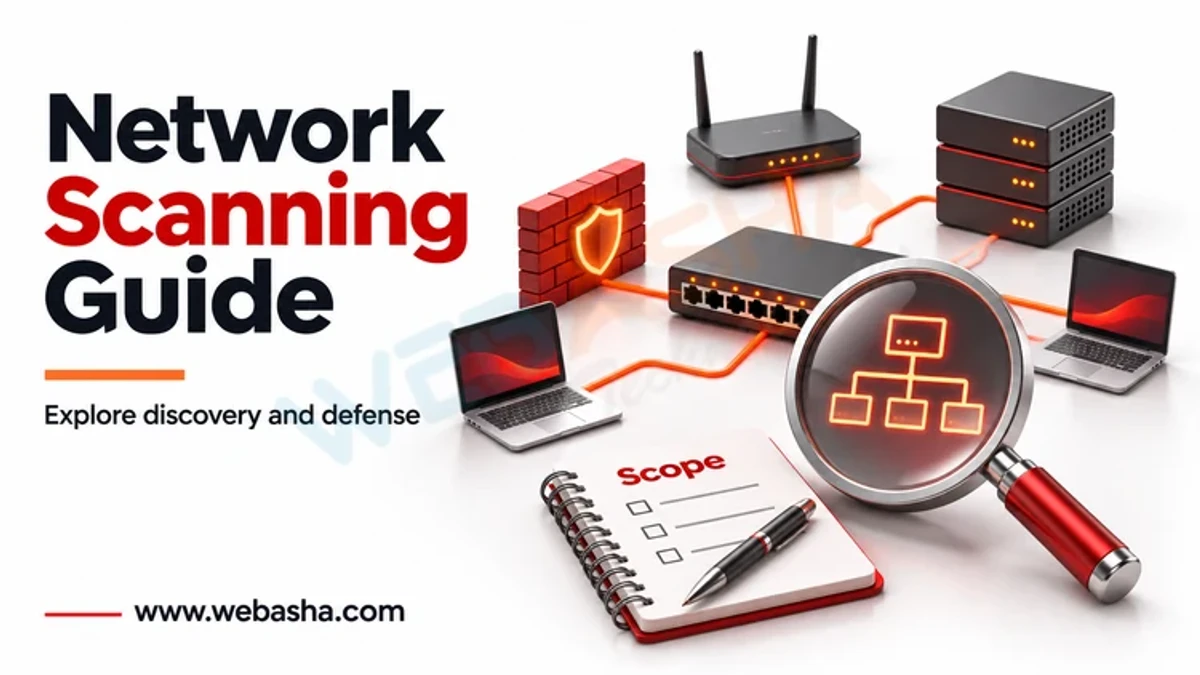
What Is Network Scanning? Types, Detection and Defence Explained

Network scanning is the process of sending probes to a range of addresses to find live hosts, open ports, running services and known weaknesses. It has four common types: host discovery, port scanning, service and version detection, and vulnerability scanning. Attackers scan to find targets, while defenders and authorised testers scan their own networks to find exposures before attackers do.

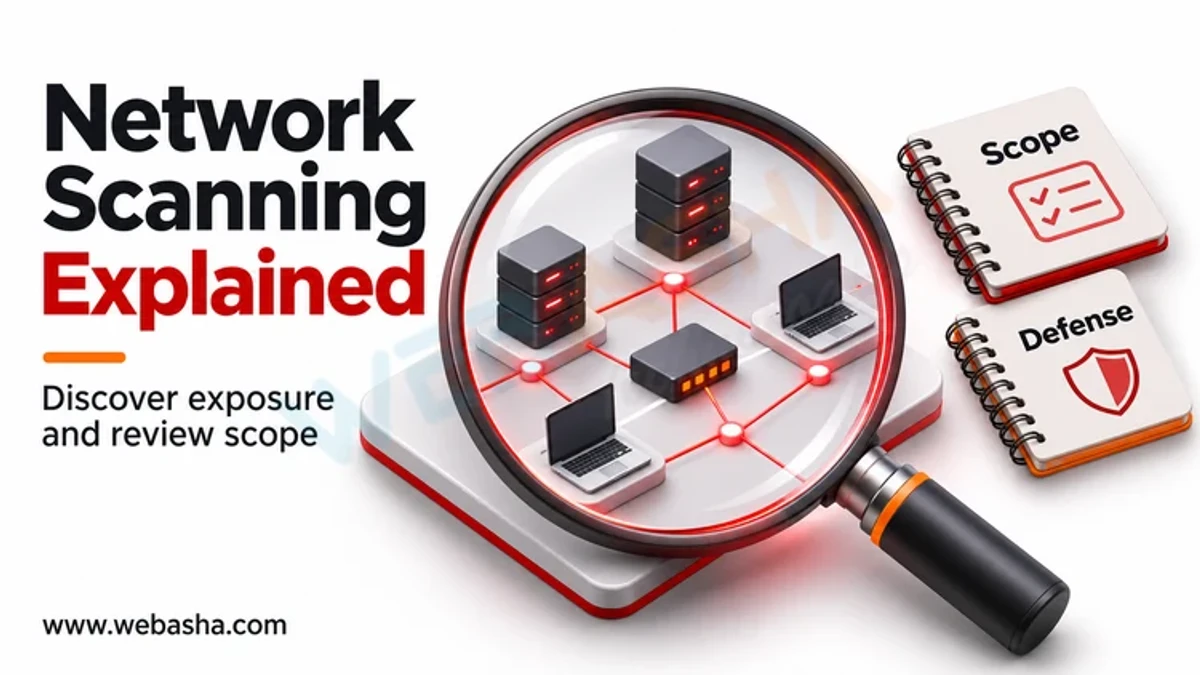
Mastering Network Scanning | Techniques, Tools, and Countermeasures for Enhanced Cybersecurity

Network scanning is an important process in cybersecurity that helps identify active devices, open ports, and vulnerabilities within a network. Ethical hackers and security professionals use various network scanning techniques such as port scanning, network scanning, and vulnerability scanning to assess security risks. However, cybercriminals can also exploit these methods to find weaknesses and launch attacks. This blog covers different network scanning techniques, including TCP Connect Scan, SYN Scan, UDP Scan, Ping Sweep, and Traceroute Scan. It also highlights commonly used tools like Nmap, Wireshark, Nessus, and Fing. While network scanning helps organizations enhance security, detect vulnerabilities, and prevent cyberattacks, it also carries risks such as unauthorized access, denial of service (DoS) attacks, and data breaches. To counter these threats, organizations must implement firewall security, Intrusion Detection and Prevention Systems (IDS/IPS), and network segmentation.

Mastering Network Scanning | Techniques, Tools, and Countermeasures for Enhanced Cybersecurity

Network scanning is an important process in cybersecurity that helps identify active devices, open ports, and vulnerabilities within a network. Ethical hackers and security professionals use various network scanning techniques such as port scanning, network scanning, and vulnerability scanning to assess security risks. However, cybercriminals can also exploit these methods to find weaknesses and launch attacks. This blog covers different network scanning techniques, including TCP Connect Scan, SYN Scan, UDP Scan, Ping Sweep, and Traceroute Scan. It also highlights commonly used tools like Nmap, Wireshark, Nessus, and Fing. While network scanning helps organizations enhance security, detect vulnerabilities, and prevent cyberattacks, it also carries risks such as unauthorized access, denial of service (DoS) attacks, and data breaches. To counter these threats, organizations must implement firewall security, Intrusion Detection and Prevention Systems (IDS/IPS), and network segmentation.