Welcome!

Unlock your personalized experience.
Sign Up
Tag

Intrusion detection systems Articles, Guides & Tutorials

6 posts

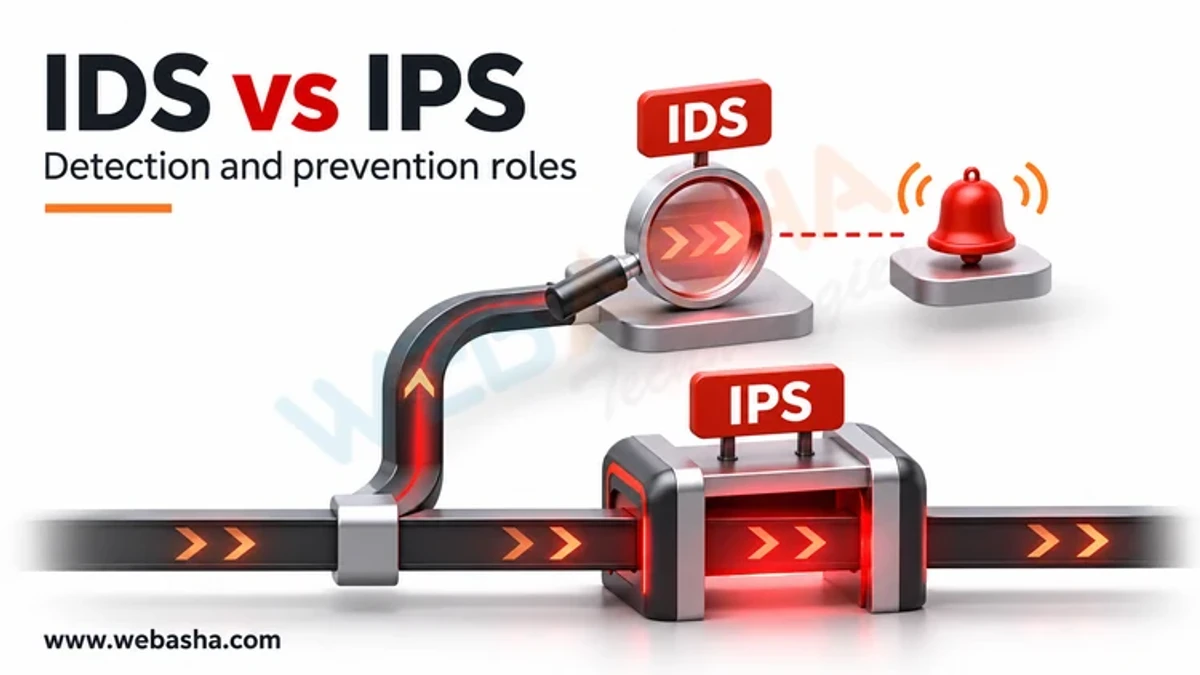
What Are IDS and IPS? Intrusion Detection vs Prevention Explained

An intrusion detection system (IDS) watches network or host activity and raises an alert when it sees signs of an attack. An intrusion prevention system (IPS) does the same but sits inline and can block the traffic or action automatically. NIST SP 800-94 groups them into network-based, wireless, network behaviour analysis and host-based systems, using signature, anomaly and stateful protocol analysis detection.
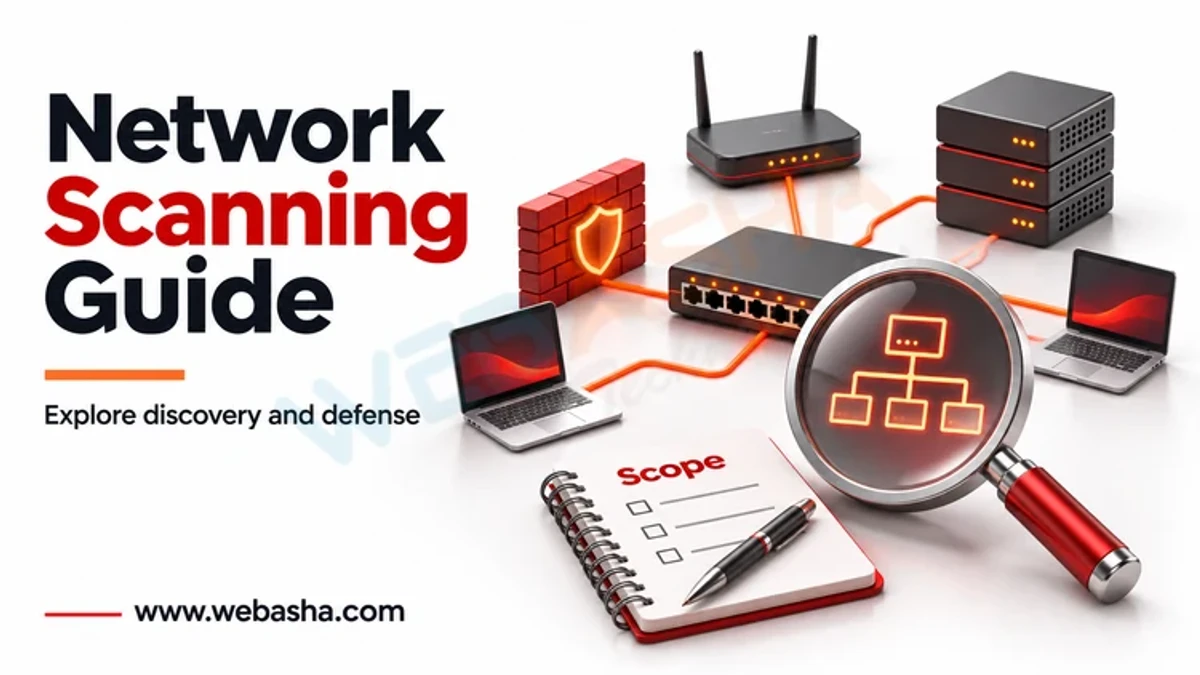

Network Scanning Explained: How to Detect and Defend Against Scans

Network scanning is the automated probing of IP addresses and ports to find live hosts, open services and software versions. Attackers scan to pick targets; defenders scan their own networks to find exposure first. You cannot stop the internet from scanning you, but you can shrink what scans find and spot the scans that matter.

Sniffing Attacks: Network Privacy and Safe Packet Analysis

Sniffing is observing network packets; it becomes an attack when someone intercepts or uses traffic without authority. Packet analysis also has legitimate troubleshooting uses. Encryption such as correctly validated TLS protects application content in transit, but it does not hide every connection detail or secure a compromised endpoint. Use trusted network settings and approved encrypted services.

Backdoor Attacks: Detection, Investigation and Prevention

A backdoor is an undocumented or unauthorised access path that can bypass the intended security process. It may involve malicious software, an altered component or a hidden account or configuration. An unfamiliar process is a reason to investigate, not proof of a backdoor. Compare it with approved changes and supporting telemetry, preserve relevant evidence and coordinate containment with the system owner.

Preventing Cyberattacks: Connect Protection With Recovery

Layered protection combines clear ownership, restricted access, maintained software, useful monitoring and a recovery process that has been checked. Each layer should address a specific risk and produce evidence someone reviews. A firewall cannot replace application permissions, and a completed backup job does not prove that work can resume.

Deloitte and Brain Cipher: RIBridges Findings and Incident Scope

The Brain Cipher allegation naming Deloitte should be distinguished from the later confirmed findings about Rhode Island's Deloitte-operated RIBridges system. The state published investigation findings in May 2025 and announced a separate state settlement in April 2026. Those records concern a defined client service and do not by themselves establish a theft from Deloitte's entire corporate network.