Welcome!

Unlock your personalized experience.
Sign Up
Tag

AI misinformation Articles, Guides & Tutorials

4 posts

Prompt Injection in Generative AI: How It Works and How to Defend

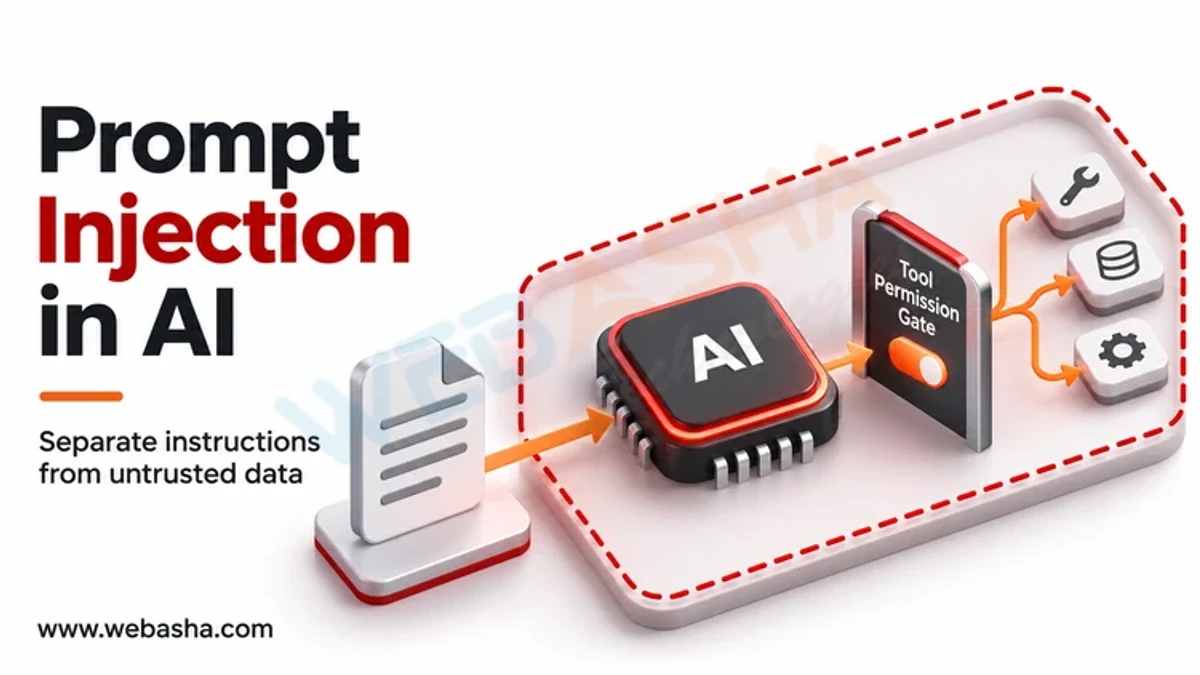
Prompt injection is an attack in which text supplied to a large language model (LLM) makes it ignore its intended instructions and follow the attacker's instead. In direct injection, a user types the malicious instructions. In indirect injection, the instructions are hidden in content the AI reads, such as a web page, email, document or code comment, so the user may never see them.


The Most Dangerous AI Tools No One Talks About: Risks and Protection

The most dangerous AI tools are not exotic hacking programs. They are everyday capabilities misused for fraud and abuse: voice cloning, deepfake video, apps that create non-consensual intimate images, chatbots stripped of safety rules and sold to criminals, AI-written phishing, AI agents given too many permissions, and fake AI apps that install malware.

AI-Generated OSINT Reports: Accuracy, Hallucination and Verification

AI can draft OSINT reports quickly by summarising large amounts of open source material, translating posts and organising findings. The risk is misinformation. Language models sometimes invent facts, citations and links, merge two people with the same name, repeat outdated claims or follow hidden instructions planted in collected web pages. An AI-generated report is therefore a draft, not intelligence.

Is ChaosGPT a Threat to Cybersecurity? A Risk Assessment of AI Agents

ChaosGPT itself is not a serious cybersecurity threat. It was a 2023 experiment in which someone gave an Auto-GPT based agent destructive goals and published the results. It searched the web, wrote plans and posted on social media, and no system compromise was reported. The real risk is the category it showed: autonomous AI agents that can browse, run code and use credentials.