Welcome!

Unlock your personalized experience.
Sign Up
Tag

Cyber attacks Articles, Guides & Tutorials

10 posts

What Is Social Engineering in Cybersecurity? Types and Examples

Social engineering in cybersecurity is the use of deception and psychological manipulation to get people to reveal information, grant access, install malware or send money. Instead of hacking systems, attackers "hack" people through phishing emails, phone calls (vishing), SMS (smishing), fake websites, impersonation, invented stories (pretexting), infected USB drives and, increasingly, AI-generated voices and videos.
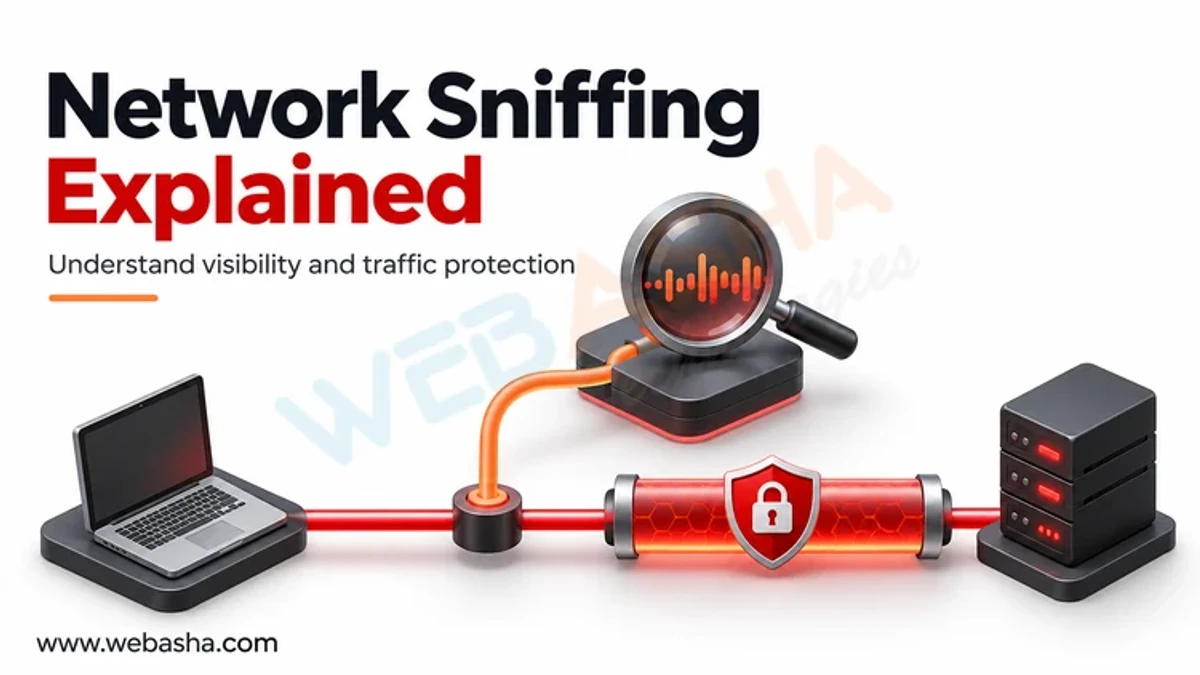
Sniffing in Cybersecurity: Types, Risks and How to Prevent It

Sniffing is capturing network traffic as it passes. Administrators do it legitimately with packet analysers to troubleshoot, while attackers do it to steal passwords, session cookies and data. Passive sniffing just listens, for example on open Wi-Fi or a shared segment. Active sniffing manipulates switches, through MAC flooding, ARP poisoning or a rogue DHCP server, so traffic flows past the attacker.

What Is Network Scanning? Types, Detection and Defence Explained

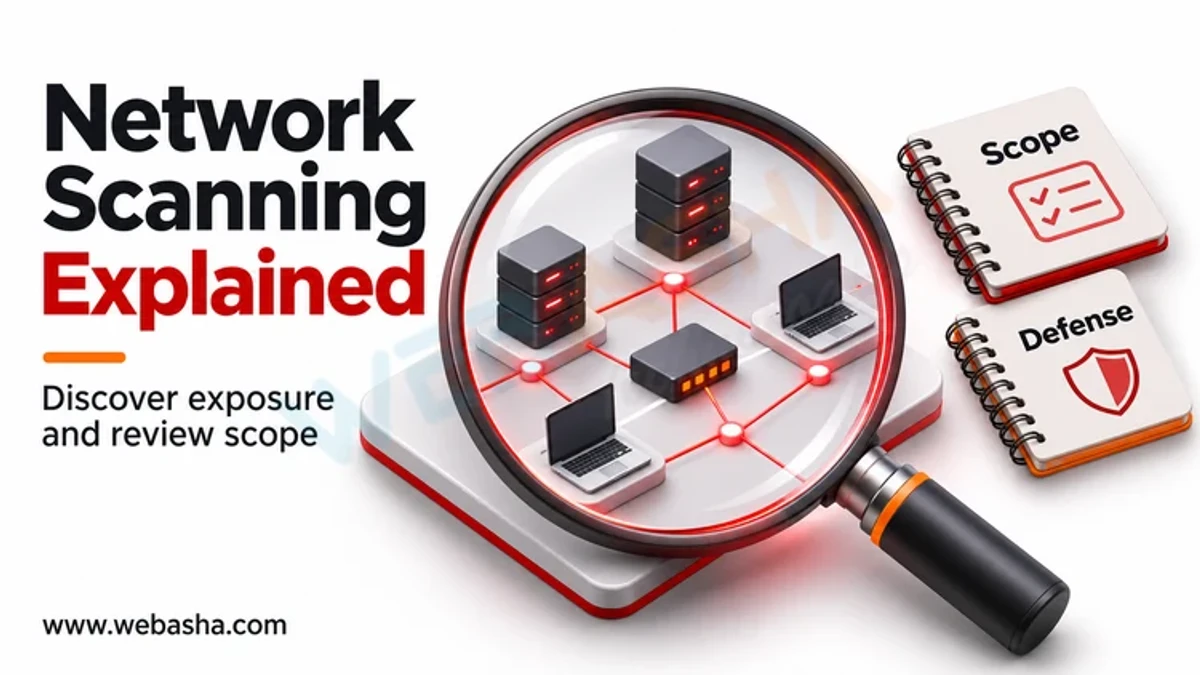
Network scanning is the process of sending probes to a range of addresses to find live hosts, open ports, running services and known weaknesses. It has four common types: host discovery, port scanning, service and version detection, and vulnerability scanning. Attackers scan to find targets, while defenders and authorised testers scan their own networks to find exposures before attackers do.

Kaspersky: About 29% of Indian Users Faced Web Threats in 2024

Kaspersky reported in early 2025 that 28.8 percent of internet users in India, nearly one in three, were targeted by web-borne threats during 2024. The data comes from the Kaspersky Security Network (KSN), so it covers people using Kaspersky products who share telemetry, not every Indian.

Essential Ethical Hacking Skills: Follow One Assessment

Build ethical hacking skills around the work of an authorised assessment: understanding the system, planning a safe question, interpreting evidence and explaining a recommendation. Networking, operating systems, web concepts and scripting help with different parts of that work. Reporting and judgment connect the technical pieces.

What Is Smishing? Recognise and Report SMS Phishing

Smishing is phishing through text messages, including SMS messages that impersonate a bank, courier or another trusted organisation. The request may seek a payment, account details, a verification code or installation of an application. An expected delivery and a familiar-looking sender do not verify the message. Open the organisation's known app or contact it independently.

Deloitte and Brain Cipher: RIBridges Findings and Incident Scope

The Brain Cipher allegation naming Deloitte should be distinguished from the later confirmed findings about Rhode Island's Deloitte-operated RIBridges system. The state published investigation findings in May 2025 and announced a separate state settlement in April 2026. Those records concern a defined client service and do not by themselves establish a theft from Deloitte's entire corporate network.

Digital Forensic Investigation: Validate the Method and Finding

A digital forensic investigator examines authorised digital material, tests what the records support and explains the result with its limitations. Reliable work needs more than a familiar tool: confirm the relevant format, method, software version and expected behaviour, then review important interpretations against the source. Known-answer exercises help expose mistakes before a result enters a report.

Career Benefits of Learning Ethical Hacking

Ethical-hacking study can help you investigate weaknesses, describe their impact and work with owners on fixes. Those skills can support several security roles, but course completion does not guarantee a job, salary or exam eligibility. A fictional QA learner’s recovery-message exercise shows what a useful contribution looks like: a clear requirement, limited evidence, an actionable handoff and a retest plan.

Learn Ethical Hacking from Scratch with Safe Practice

Start ethical-hacking study with networking, Linux basics, HTTP, a little scripting and clear authorization rules. Use supplied data and purpose-built labs before considering real assessments. This guide includes a checked offline Python exercise comparing three invented URL origins, then shows how to turn its result into a short practice report.