OSCP Bootcamp: What the Format Involves and How to Judge One
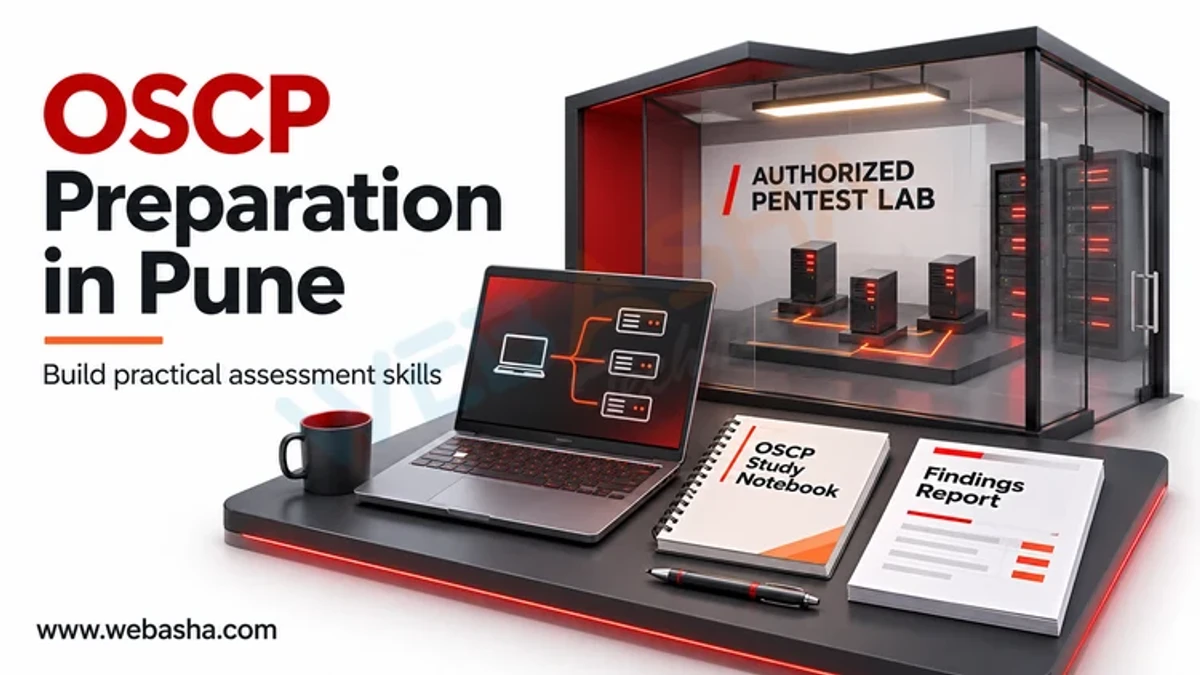
An OSCP bootcamp is a short, intensive, trainer-led programme that walks you through the PEN-200 syllabus on a fixed schedule, with daily lab work, mentoring and usually one or more mock exams. It suits people who already have Linux, networking and scripting basics and can give the programme their full attention.
Topic: Penetration Testing in Cybersecurity & Ethical Hacking · Certification preparation
Also covers: Cybersecurity Careers & Certifications
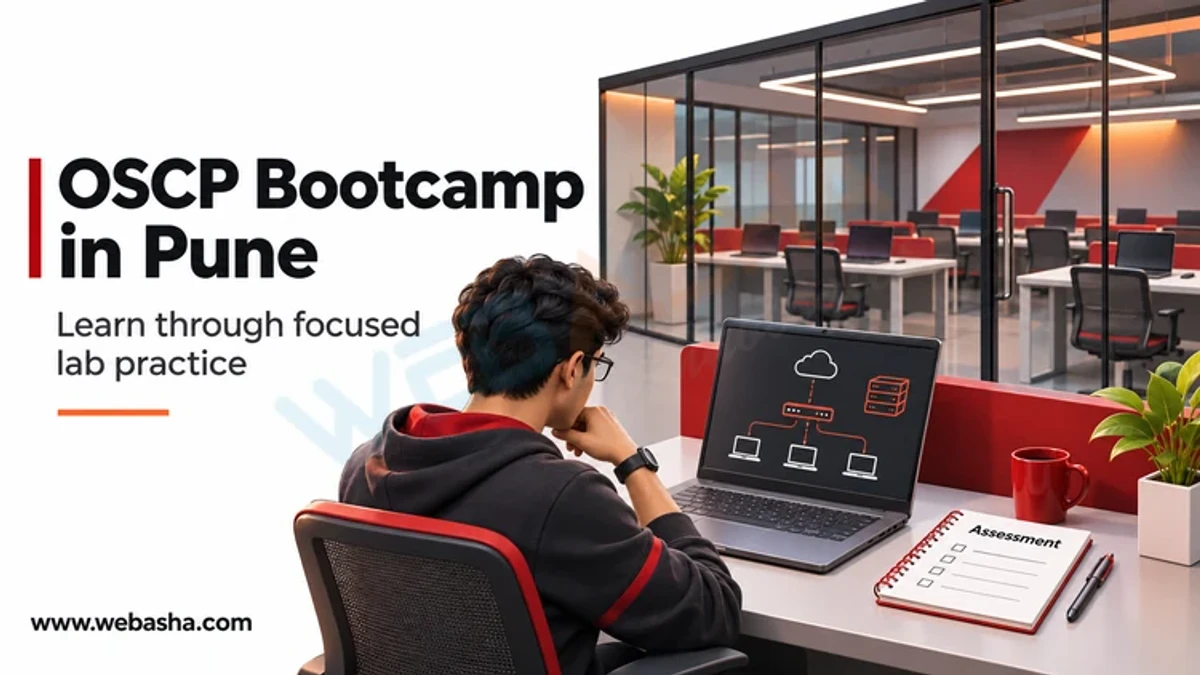
Quick answer: An OSCP bootcamp is a short, intensive, trainer-led programme that walks you through the PEN-200 syllabus on a fixed schedule, with daily lab work, mentoring and usually one or more mock exams. It suits people who already have Linux, networking and scripting basics and can give the programme their full attention. Judge a bootcamp on how much hands-on lab time it includes, the trainer's practical experience, whether your practice reports are reviewed, and whether it is honest about results. A bootcamp compresses learning; it does not replace the many hours of independent practice the OffSec exam demands.
Key takeaways
- A bootcamp trades flexibility for focus and speed.
- It works best for learners who already have solid fundamentals.
- Lab time, trainer experience and report feedback are the main quality signals.
- Any promise of a guaranteed pass is a red flag.
- Plan independent practice after the bootcamp ends.
Table of Contents
- What Is an OSCP Bootcamp?
- What Does a Typical Bootcamp Schedule Involve?
- How Does a Bootcamp Differ From Self-Paced Study?
- Who Is a Bootcamp Right For?
- How Do You Judge a Bootcamp Before Paying?
- What Red Flags Should You Watch For?
- What Should You Do After the Bootcamp Ends?
- References
What Is an OSCP Bootcamp?
OSCP is earned by passing the exam that follows OffSec's PEN-200 course. OffSec describes PEN-200 as 321 hours of content across more than 20 modules, plus nine challenge labs, three of which closely resemble the exam. A bootcamp is a third-party programme that guides you through that material faster, with a trainer setting the pace.
The exam itself does not change. The OffSec exam guide describes 23 hours and 45 minutes of proctored work on three standalone machines and one Active Directory set, with 70 of 100 points needed to pass and a report due within 24 hours.
What Does a Typical Bootcamp Schedule Involve?
Formats vary. The outline below is an illustration of how many bootcamps structure the work, not an OffSec requirement.
| Phase | Focus | Output |
|---|---|---|
| Foundations refresh | Linux, Windows, networking, scripting review | Gaps identified early |
| Core techniques | Enumeration, web attacks, password attacks | Lab machines completed with notes |
| Privilege escalation | Linux and Windows escalation concepts | Repeatable checklists |
| Active Directory | Domain enumeration, lateral movement concepts | Practice AD set completed |
| Mock exam | Timed practice under exam-like rules | Full written report |
| Review | Trainer feedback on report and weak areas | Personal study plan |
How Does a Bootcamp Differ From Self-Paced Study?
| Factor | Bootcamp | Self-paced |
|---|---|---|
| Pace | Fast and fixed | You decide |
| Support | Trainer and peers on hand | Mostly forums and your own research |
| Time commitment | Concentrated, often full days | Spread out around work |
| Risk | Falling behind if basics are weak | Losing momentum over months |
Who Is a Bootcamp Right For?
A bootcamp suits learners who already work comfortably in Linux and Windows, understand TCP/IP and can read simple scripts, which is the foundation OffSec recommends on its OSCP+ page. It also suits people who can clear their calendar for the duration. If fundamentals are still shaky, a slower course or a foundations module first is usually the better path.
How Do You Judge a Bootcamp Before Paying?
- Lab hours: ask how many hours per day are spent hands-on, not watching slides.
- Trainer background: ask what penetration testing work the trainer has done.
- Report feedback: ask whether someone marks your mock exam report.
- Mock exam: check it is timed and on machines you have not seen.
- Access: confirm whether OffSec course and lab access is included.
- Legal framing: labs should be isolated, and the course should explain written authorisation, as in NIST SP 800-115 and Sections 43 and 66 of India's IT Act, 2000.
What Red Flags Should You Watch For?
- Guaranteed pass or guaranteed job promises. OffSec grades the exam, not the bootcamp.
- Claims of leaked exam content. Using it breaks OffSec rules and can cost you the certification.
- No clear syllabus or trainer names before you pay.
- Very little hands-on time compared with lecture time.
What Should You Do After the Bootcamp Ends?
Keep practising until techniques feel routine. Retired exam machines in Proving Grounds Practice and the PEN-200 challenge labs are good targets. Write a full report for each practice set. The NIST NICE Framework can help you map skills you still need for penetration testing roles. Our guides on courses and bootcamps for penetration testers and PEN-200 exam preparation go further. To ask about schedules, contact us about OSCP bootcamp training.
References
Frequently Asked Questions
What's Your Reaction?
 Like
0
 Dislike
0
 Love
0
 Funny
0
 Wow
0
 Sad
0
 Angry
0

Vaishnavi is a skilled tech professional at the Ethical Hacking Training Institute in Pune, responsible for managing and optimizing the technical infrastructure that supports advanced cybersecurity education. With deep expertise in network security, backend operations, and system performance, she ensures that practical labs, online modules, and assessments run smoothly and securely. Her behind-the-scenes contributions play a vital role in delivering a seamless and secure learning experience for aspiring ethical hackers.