Welcome!

Unlock your personalized experience.
Sign Up
Tag

AI-based phishing detection Articles, Guides & Tutorials

3 posts

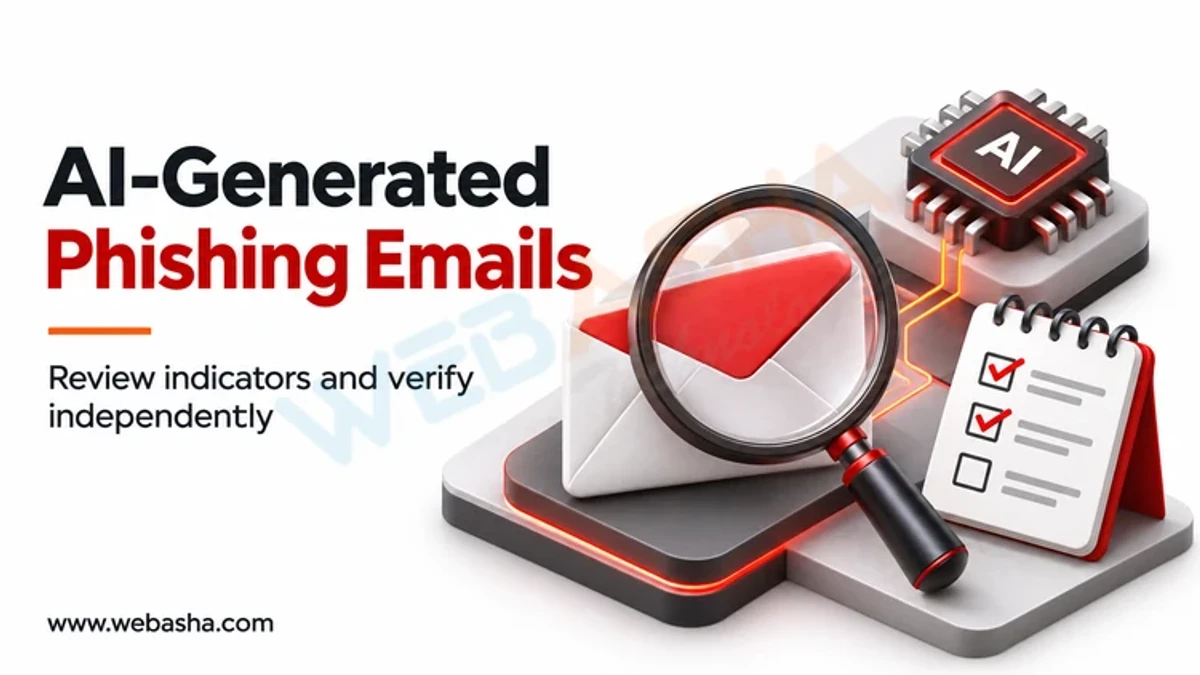
AI-Generated Phishing Emails: How Attackers Use AI and How to Detect and Defend Against It

Phishing attacks have evolved significantly, with cybercriminals now using AI-generated phishing emails to deceive individuals and businesses. These AI-powered scams use advanced machine learning algorithms to craft highly convincing emails, making it harder to detect fraud. From business email compromise (BEC) to deepfake phishing, attackers are using AI-driven cyber threats to bypass traditional email security measures. This post covers the dangers of AI in cybercrime, the role of social engineering, and effective strategies for phishing scam prevention using AI cybersecurity solutions.

AI-Generated Phishing Emails | The Rising Threat of AI-Powered Cyber Scams and How to Stay Protected

AI-generated phishing emails have become one of the most dangerous cybersecurity threats in recent years. Using AI-powered tools, cybercriminals can craft highly sophisticated and convincing emails that bypass traditional spam filters and trick even experienced professionals. Unlike traditional phishing emails, these AI-enhanced attacks use natural language processing (NLP), deep learning, and machine learning (ML) to personalize emails, mimic real business communications, and even adapt in real-time. Hackers also integrate deepfake technology to conduct social engineering scams, impersonating executives and tricking employees into revealing sensitive information. These AI-driven phishing attempts are difficult to detect, making them a growing concern for businesses, individuals, and organizations worldwide.

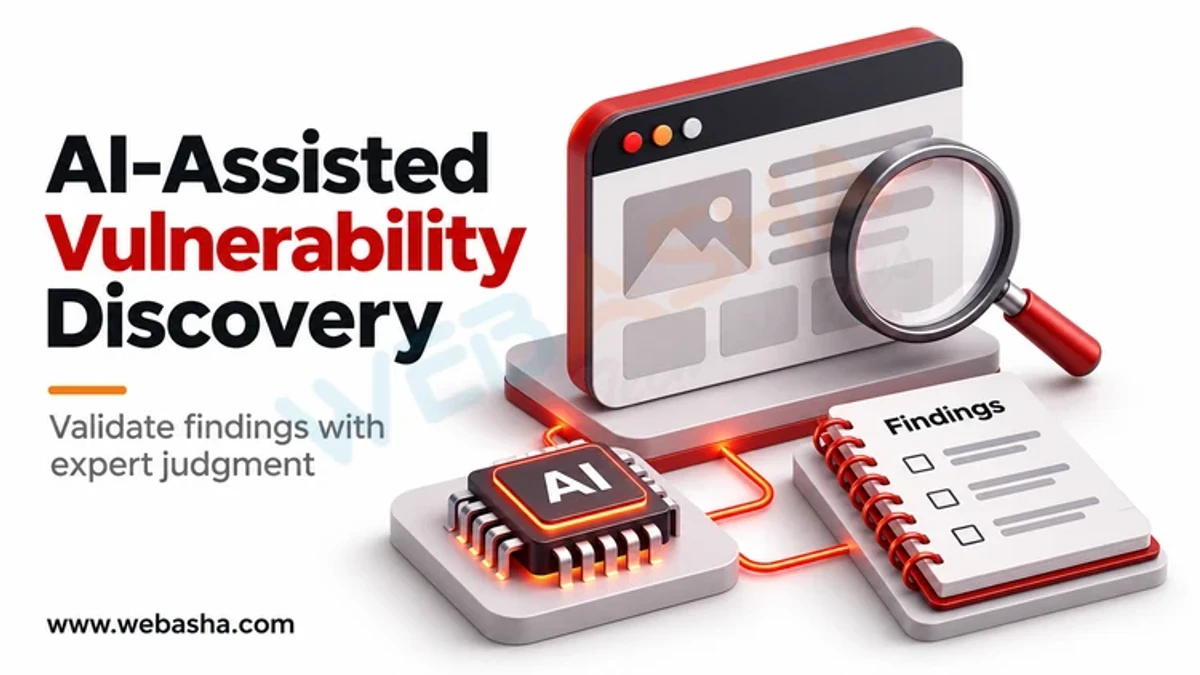
How AI is Helping Ethical Hackers Identify Vulnerabilities | A New Era of Cybersecurity

As cyber threats continue to evolve, ethical hackers must keep pace by using advanced technologies like Artificial Intelligence (AI). AI-driven tools are transforming ethical hacking by automating vulnerability assessments, detecting threats faster, and improving penetration testing methods. AI helps identify zero-day vulnerabilities, detect anomalies, enhance password security, and analyze malware behaviors. It also helps prevent phishing attacks, social engineering threats, and cyber fraud. However, while AI enhances cybersecurity defenses, it also presents challenges such as false positives, adversarial AI risks, and data privacy concerns. By integrating AI and machine learning into ethical hacking, security professionals can predict, prevent, and respond to cyber threats more effectively. The future of cybersecurity will be shaped by a collaborative approach between AI automation and human expertise to ensure a strong and resilient security framework.