
Welcome!

Unlock your personalized experience.
Sign Up
Tag

AI vs cybersecurity Articles, Guides & Tutorials

6 posts

How Hackers Use AI: Techniques Behind Modern Cybercrime and Defences

Hackers use AI for six main techniques: writing convincing phishing messages, impersonating people with cloned voices or deepfake video, creating synthetic identities and documents, getting help with code and scripts, attacking company AI apps through prompt injection, and poisoning data that models learn from. Each has a matching defence. Phishing-resistant MFA and reporting buttons counter AI phishing.


AI vs Cybersecurity: How Defenders Adapt to AI-Powered Attacks

AI helps attackers write better phishing, clone voices, research targets and adjust code faster, so defenders must adapt controls rather than buy a single AI product. The most effective changes are phishing-resistant MFA, out-of-band verification for payments, faster patching of internet-facing systems, behaviour-based detection and staff training on deepfakes.

AI in the Underground Economy: What Criminal Markets Sell

Criminal markets now sell AI as a service. Google Threat Intelligence Group (GTIG) reported in November 2025 that the underground marketplace for illicit AI tools had matured, with English and Russian-language forums advertising multifunctional tools for phishing content, malware support, vulnerability research and deepfakes, often on subscription models.

AI-Driven Exploitation: How Dangerous Is It, Based on the Evidence?

AI-driven exploitation is a real and growing risk, but the public evidence shows it speeding up existing work rather than creating unstoppable attackers. In DARPA's AI Cyber Challenge final in August 2025, automated systems found and patched many planted bugs and also found 18 real vulnerabilities. Google's Big Sleep agent has found real memory-safety flaws in SQLite.

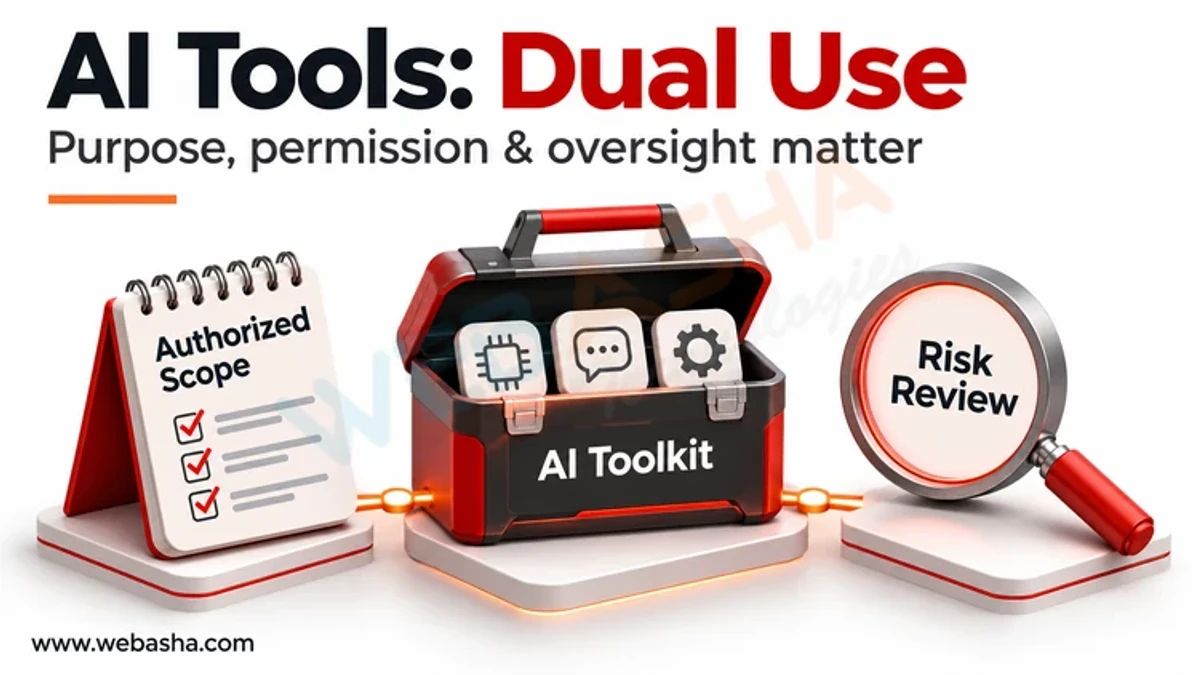
Offensive AI: How Attackers Use AI and How Defenders Respond

Attackers mainly use AI to do familiar things faster and more convincingly: writing fluent phishing and fraud messages, cloning voices and faces for impersonation, researching targets, and troubleshooting code. Threat reports from Google and OpenAI describe productivity gains rather than new attack methods. AI applications are also new targets, through prompt injection and data leakage.

How AI Strengthens Dark Web Threat Intelligence for Defenders

AI strengthens dark web threat intelligence by doing the slow parts of the job at scale. It translates posts in many languages, removes duplicates, pulls out entities such as company names, domains and email addresses, groups related posts, and ranks findings so analysts see the most relevant ones first.