Welcome!

Unlock your personalized experience.
Sign Up
Tag

Cybersecurity Risks Articles, Guides & Tutorials

8 posts

Tech Budgets: Is Generative AI Spending Overtaking Cybersecurity?

In raw numbers, yes. Gartner forecast worldwide generative AI spending of 644 billion US dollars in 2025, against about 213 billion dollars for information security. But the comparison is misleading. Roughly 80 percent of the GenAI figure is hardware, such as AI-capable phones, PCs and servers, which would be bought anyway.
Dark Web and AI Cyber Risks: A Risk Assessment for Organisations

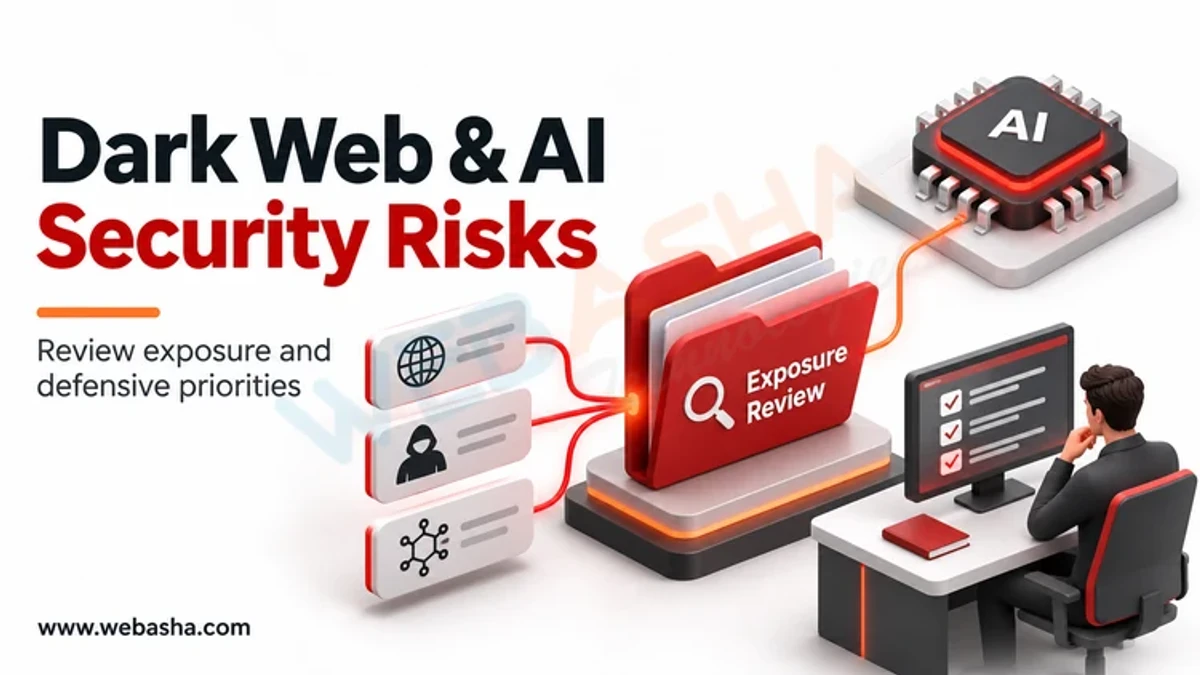
To assess dark web and AI risks, treat them as a threat model like any other. List what criminals would want from you: credentials, customer data, payment flows and access. Then map how AI changes each scenario: more convincing phishing and deepfake requests, faster exploitation of known flaws, quicker resale of leaked data, and attacks on your own AI tools.

Ethical Risks of AI in Security Operations and How to Reduce Them

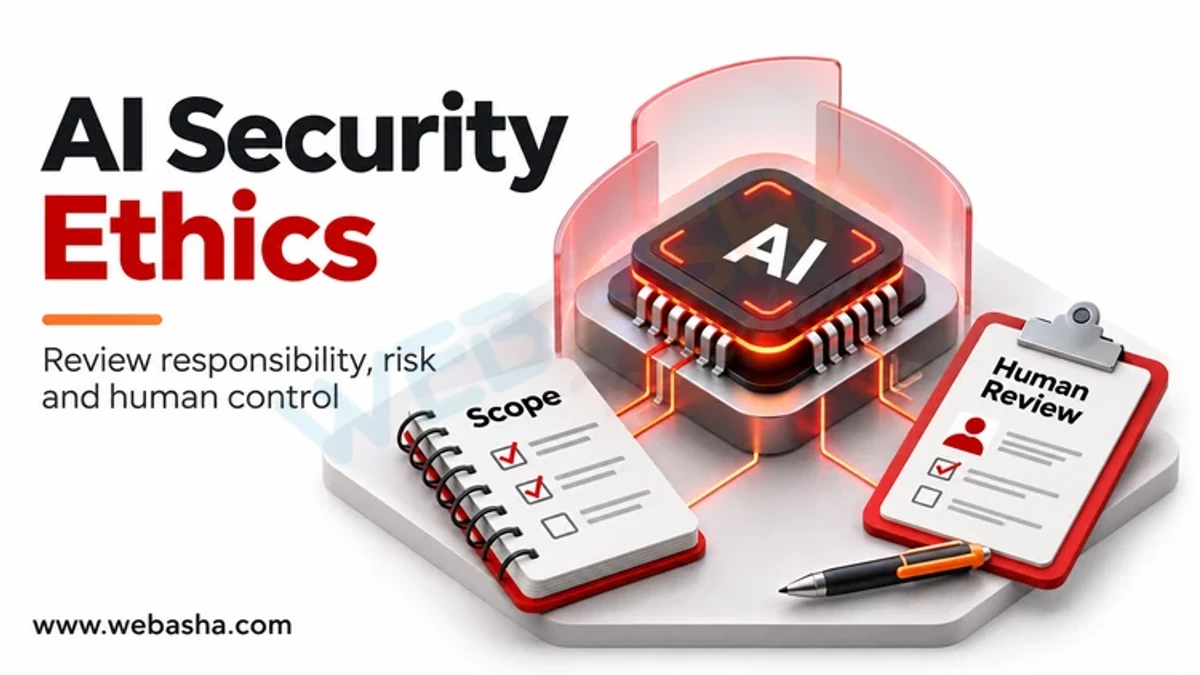
AI in security operations raises specific ethical risks. Behaviour analytics can unfairly flag some groups of employees, for example people who work night shifts or travel often. Monitoring tools can collect more personal data than needed. Automated actions such as account lockouts can harm people when no one is clearly accountable. Opaque models make decisions hard to challenge.

Can AI Feel Emotions? What Emotional Responses Actually Show

An AI can produce sympathetic language or classify signals associated with emotion, but those behaviours do not establish that it feels happiness, sadness or empathy. Affective computing studies how systems represent, respond to and work with emotion-related information. Subjective experience is a separate scientific question that cannot be settled by a convincing chat response.

What Is Threat Modeling? A Document-Sharing Example

Threat modeling is a structured review of what a system does, what could go wrong and how the team will address the risk. Start with a small workflow, its valuable information and the boundaries between different users or services. Record assumptions, plausible threats, controls and ways to verify those controls. A useful model ends with assigned design decisions and tests.

Am I at Risk of Being Hacked? Review Accounts and Recovery

You can assess useful security priorities without predicting whether someone will hack you. List the accounts and devices you depend on, then check their sign-in protection, recovery routes, support status and important data copies. Investigate unexpected account changes or transactions, while treating slow performance as a symptom with several possible causes.

Tactics, Techniques and Procedures: Read the Evidence Carefully

Tactics describe an adversary's tactical objective, techniques describe the method and procedures describe a particular implementation reported in an event or campaign. Defenders use these levels to organise evidence and ask useful investigation questions. They do not reveal a person's thoughts or identify an actor automatically. Keep the source narrative, platform, uncertainty and framework version with a mapping.

AI Risks in Cybersecurity: Review the Action Before Automating

AI can help summarise security information, but its mistakes become more consequential when its output triggers actions. Review the evidence, affected systems, permissions and recovery plan before connecting recommendations to blocking, account changes or other operational controls. Separate ordinary model error, sensitive-data exposure and deliberate manipulation of an AI system.