Best Endpoint Management Tools for Device Security and Monitoring
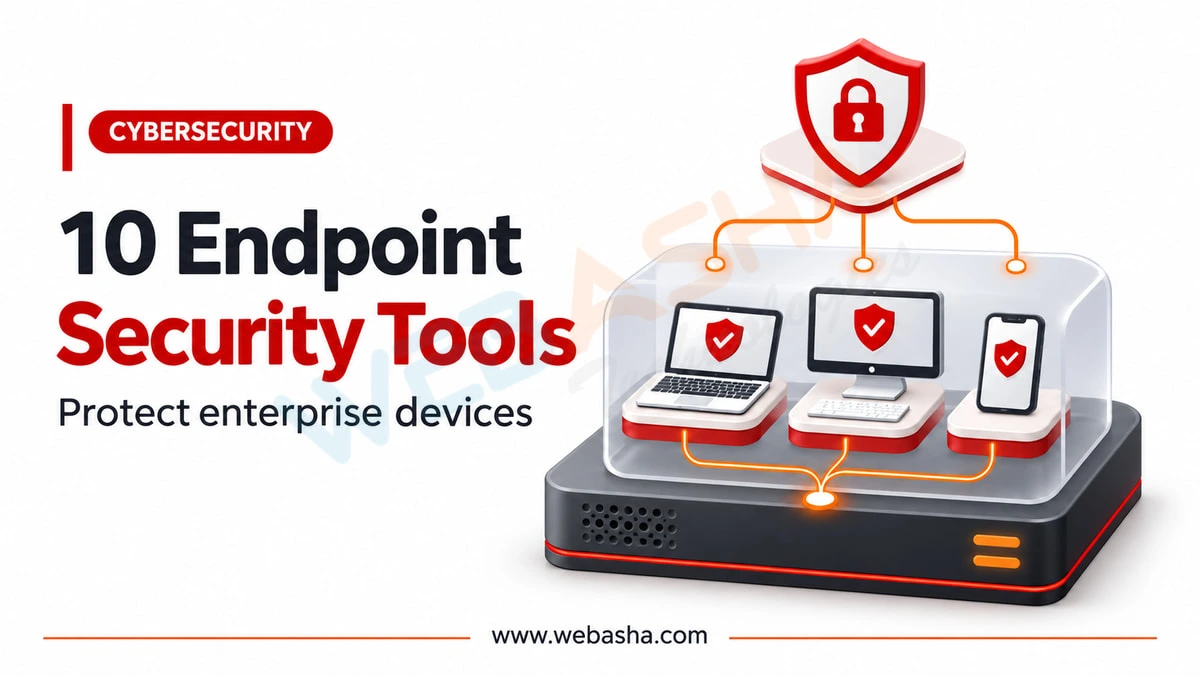
Endpoint management tools let IT teams inventory, configure, update and secure laptops, desktops, phones and tablets from one place.
Topic: SOC & Blue Team in Cybersecurity & Ethical Hacking · Tools
Also covers: Virtualization & Private Cloud
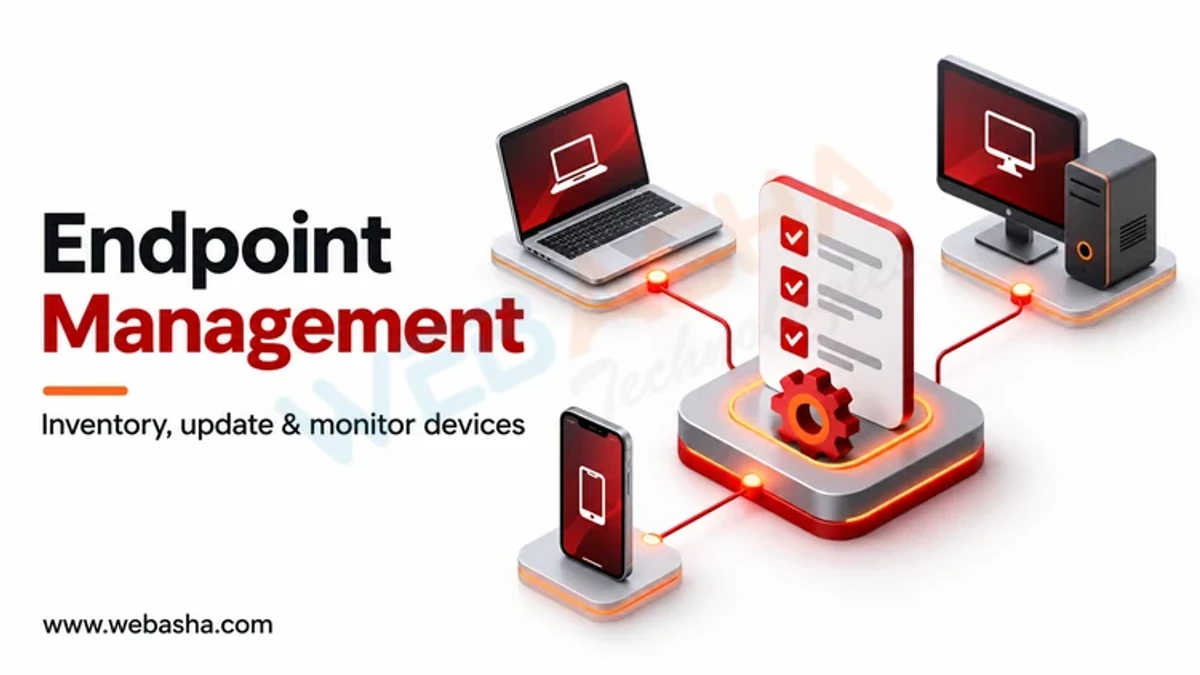
Quick answer: Endpoint management tools let IT teams inventory, configure, update and secure laptops, desktops, phones and tablets from one place. Unified endpoint management (UEM) and mobile device management (MDM) platforms such as Microsoft Intune, Jamf for Apple devices and Google Endpoint Management enforce encryption, passwords and updates, deploy apps, check device compliance before granting access, and remotely lock or wipe lost devices. Open source tools like osquery add deep visibility. They complement, but do not replace, endpoint detection and response (EDR). Choose based on your operating systems, identity platform, BYOD needs and team skills.
Key takeaways
- You cannot secure devices you do not know about; inventory comes first.
- UEM enforces baselines, patches and compliance across platforms.
- Compliance checks feed conditional access for zero trust.
- EDR detects attacks; endpoint management prevents misconfiguration.
- BYOD needs app-level protection rather than full device control.
Table of Contents
- What Do Endpoint Management Tools Do?
- Which Tools Are Commonly Used?
- How Is Endpoint Management Different From EDR?
- How Do You Handle Personal Devices?
- How Do You Choose a Tool?
- How Should You Roll It Out?
- References
What Do Endpoint Management Tools Do?
| Capability | Security value | CIS Control |
|---|---|---|
| Hardware and software inventory | Know every device and app | 1, 2 |
| Configuration profiles | Enforce encryption, screen lock, firewall | 4 |
| Patch management | Close known vulnerabilities | 7 |
| App deployment and blocking | Approved software only | 2 |
| Compliance policies | Block non-compliant devices from data | 4, 6 |
| Remote lock and wipe | Protect data on lost devices | 3 |
Control numbers refer to CIS Controls v8; NIST SP 800-40 Rev. 4 covers patch management planning.
Which Tools Are Commonly Used?
| Tool | Strength |
|---|---|
| Microsoft Intune | Windows, macOS, iOS, Android; integrates with Entra ID conditional access |
| Jamf | Deep Apple device management |
| Google Endpoint Management | Chromebooks, Android and Google Workspace access |
| osquery | Open source, query endpoints like a database for visibility |
| Other UEM platforms | Multi-OS management for mixed estates |
-- osquery: find devices without disk encryption (macOS example)
SELECT * FROM disk_encryption WHERE encrypted = 0;
How Is Endpoint Management Different From EDR?
Endpoint management keeps devices configured, patched and compliant. EDR monitors behaviour to detect and respond to attacks. Most organisations need both; many platforms integrate them so EDR risk scores can mark a device non-compliant and block access automatically.
How Do You Handle Personal Devices?
For bring-your-own-device, use app protection policies that secure corporate data inside managed apps (copy and paste restrictions, PIN, selective wipe) without controlling the whole phone. NIST SP 800-124 Rev. 2 discusses the trade-offs between full management and app-level controls.
How Do You Choose a Tool?
- List operating systems and device counts.
- Check integration with your identity provider and EDR.
- Confirm patching coverage for third-party apps.
- Assess reporting for audits and compliance.
- Consider licensing you already own and team skills.
How Should You Roll It Out?
- Pilot with IT staff devices.
- Enrol corporate devices with automatic enrolment where possible.
- Apply baseline policies in report-only mode, then enforce.
- Turn on compliance-based conditional access.
- Communicate clearly with users, especially on privacy for BYOD.
Related: antivirus vs EDR vs XDR and mobile authentication strategies. WebAsha offers Microsoft Intune and endpoint security training.
References
Frequently Asked Questions
What's Your Reaction?
 Like
0
 Dislike
0
 Love
0
 Funny
0
 Wow
0
 Sad
0
 Angry
0

Vaishnavi is a skilled tech professional at the Ethical Hacking Training Institute in Pune, responsible for managing and optimizing the technical infrastructure that supports advanced cybersecurity education. With deep expertise in network security, backend operations, and system performance, she ensures that practical labs, online modules, and assessments run smoothly and securely. Her behind-the-scenes contributions play a vital role in delivering a seamless and secure learning experience for aspiring ethical hackers.