Top Cybersecurity Tools Used by Companies and Students
Companies and students use many of the same core tools.
Topic: Security Tools, Authorized Labs & CTFs in Cybersecurity & Ethical Hacking · Tools
Also covers: SOC & Blue Team
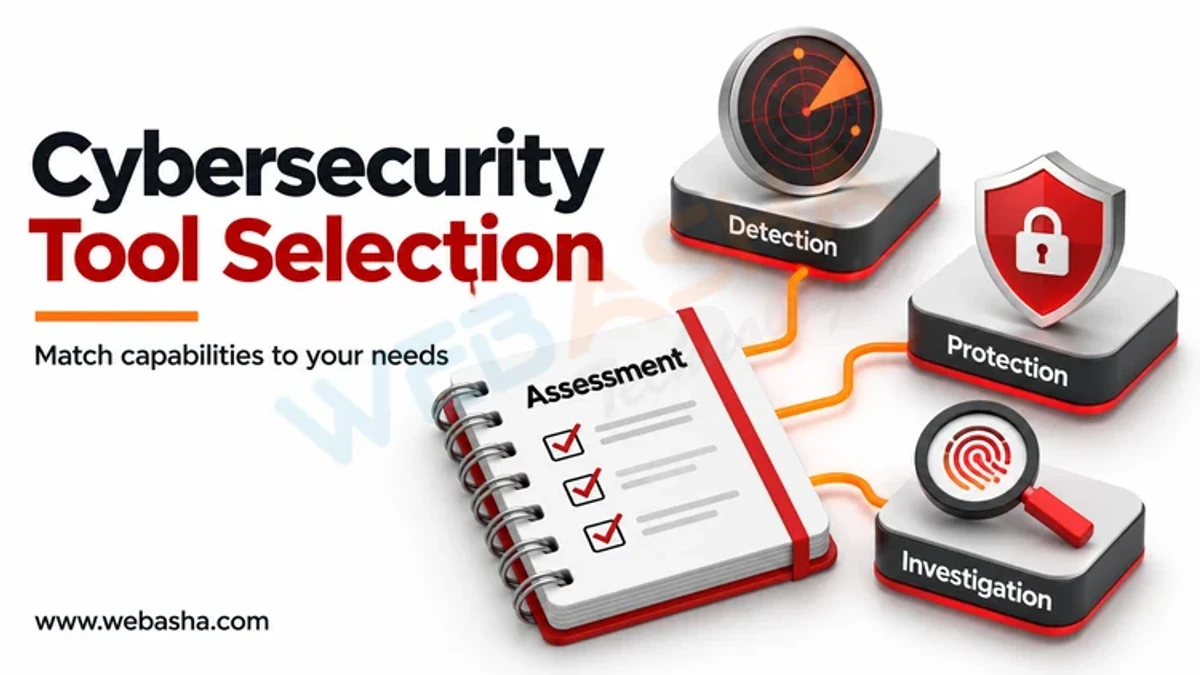
Quick answer: Companies and students use many of the same core tools. For network analysis, Wireshark and Nmap; for detection, a SIEM such as Splunk, Microsoft Sentinel or the open source Wazuh, plus intrusion detection with Suricata; for endpoints, EDR products such as Microsoft Defender for Endpoint or CrowdStrike, and Velociraptor for investigations; for vulnerability management, scanners such as Nessus, Qualys or open source OpenVAS; and for authorised testing, Burp Suite and Metasploit. Students can learn most skills with free and open source versions in a home lab; companies add commercial platforms for scale, support and integration.
Key takeaways
- Learn tools by job function: analyse, detect, respond, assess, test.
- Free tools such as Wireshark, Nmap, Wazuh and Suricata teach skills that transfer to commercial products.
- Companies care more about understanding logs and alerts than about a specific brand.
- CISA keeps a list of free tools and services.
- Use offensive tools only on systems you own or are authorised to test.
Table of Contents
- Which Tools Are Used for Which Job?
- Which Network Tools Should You Learn First?
- What Do SOC Teams Use?
- Which Endpoint and Forensics Tools Matter?
- How Do Companies Find Vulnerabilities?
- How Can Students Build a Home Lab?
- References
Which Tools Are Used for Which Job?
| Function | Free / open source | Common commercial |
|---|---|---|
| Packet analysis | Wireshark, tcpdump | Network detection and response platforms |
| Network scanning | Nmap | Asset discovery tools |
| SIEM and log analysis | Wazuh, Elastic | Splunk, Microsoft Sentinel |
| Intrusion detection | Suricata, Zeek | NGFW and IPS appliances |
| Endpoint and forensics | Velociraptor, Sysinternals | Defender for Endpoint, CrowdStrike, SentinelOne |
| Vulnerability scanning | OpenVAS | Nessus, Qualys, Rapid7 |
| Web and penetration testing | OWASP ZAP, Metasploit Framework | Burp Suite Professional |
Which Network Tools Should You Learn First?
Start with Wireshark and Nmap. Wireshark shows you exactly what is on the wire, which teaches protocols better than any book. Nmap shows which hosts and services exist on a network you manage.
# Capture DNS traffic to a file for Wireshark (Linux)
sudo tcpdump -i eth0 port 53 -w dns.pcap

# Discover hosts and services on your own lab network
nmap -sV 192.168.56.0/24
What Do SOC Teams Use?
Security operations centres collect logs into a SIEM, write detection rules, and investigate alerts. Whatever the product, the skills are the same: knowing which logs matter (Windows security events, authentication logs, DNS, proxy and cloud audit logs), writing queries, and telling real attacks from noise. Wazuh and Suricata let students practise this for free.
Which Endpoint and Forensics Tools Matter?
- EDR records process, file and network activity on endpoints and can isolate devices.
- Velociraptor collects evidence from many machines at once during investigations.
- Sysinternals tools such as Process Explorer and Autoruns help analyse a single Windows machine.
How Do Companies Find Vulnerabilities?
They run authenticated vulnerability scans across servers and endpoints, scan cloud configurations, and test web applications. Findings are prioritised by severity, exposure and whether they are known to be exploited. Public bodies and critical infrastructure in some countries can use free government services listed by CISA.
How Can Students Build a Home Lab?
- Install VirtualBox or VMware on a laptop with at least 16 GB of RAM.
- Create an isolated host-only network.
- Add a Windows VM, a Linux server VM, and a Kali Linux VM.
- Install Wazuh and Suricata to collect and alert on lab activity.
- Generate activity, then find it in logs and packet captures.
| Week | Focus |
|---|---|
| 1 to 2 | Wireshark and Nmap basics |
| 3 to 4 | Linux and Windows logs |
| 5 to 6 | Wazuh SIEM rules and alerts |
| 7 to 8 | Vulnerability scanning and reporting |
Use offensive tools only inside your lab or with written permission; unauthorised scanning or access is an offence under India's IT Act 2000, Sections 43 and 66. Related: ethical hacking tools in Kali Linux and laptops for cybersecurity tools. WebAsha offers hands-on cybersecurity training.
References
Frequently Asked Questions
What's Your Reaction?
 Like
0
 Dislike
0
 Love
0
 Funny
0
 Wow
0
 Sad
0
 Angry
0

Vaishnavi is a skilled tech professional at the Ethical Hacking Training Institute in Pune, responsible for managing and optimizing the technical infrastructure that supports advanced cybersecurity education. With deep expertise in network security, backend operations, and system performance, she ensures that practical labs, online modules, and assessments run smoothly and securely. Her behind-the-scenes contributions play a vital role in delivering a seamless and secure learning experience for aspiring ethical hackers.