Welcome!

Unlock your personalized experience.
Sign Up
Tag

Ethical Hacking Articles, Guides & Tutorials - Page 2

168 posts Page 2 / 11

Footprinting Methodology for Defenders: Attack Surface Management

Footprinting methodology is the structured way attackers and authorised testers collect information about a target: its domains and DNS, IP ranges, exposed services, technologies, people and third parties. Defenders can run the same methodology on themselves as attack surface management.


Footprinting Threats: What Each Information Leak Lets Attackers Do

Footprinting threats are the attacks that become possible once someone collects information about your organisation. Employee names and email formats enable phishing, business email compromise and password spraying. Network details such as IP ranges and open ports enable targeted scanning. Software versions let attackers match known vulnerabilities.

Active vs Passive Footprinting: How Active Probing Gets Detected

Active footprinting means interacting directly with a target to learn about it, for example scanning ports, grabbing service banners, querying its DNS servers, crawling its website hard or calling staff with a pretext. Passive footprinting uses only third-party and public sources and never touches the target.

Red Team vs Blue Team Careers: How to Choose Between Them

Choose red team work if you enjoy thinking like an attacker, testing systems with permission and explaining weaknesses in reports. Choose blue team work if you enjoy monitoring, investigating alerts, responding to incidents and steadily improving defences. Both need the same foundations: networking, operating systems, scripting and an understanding of attacker techniques.

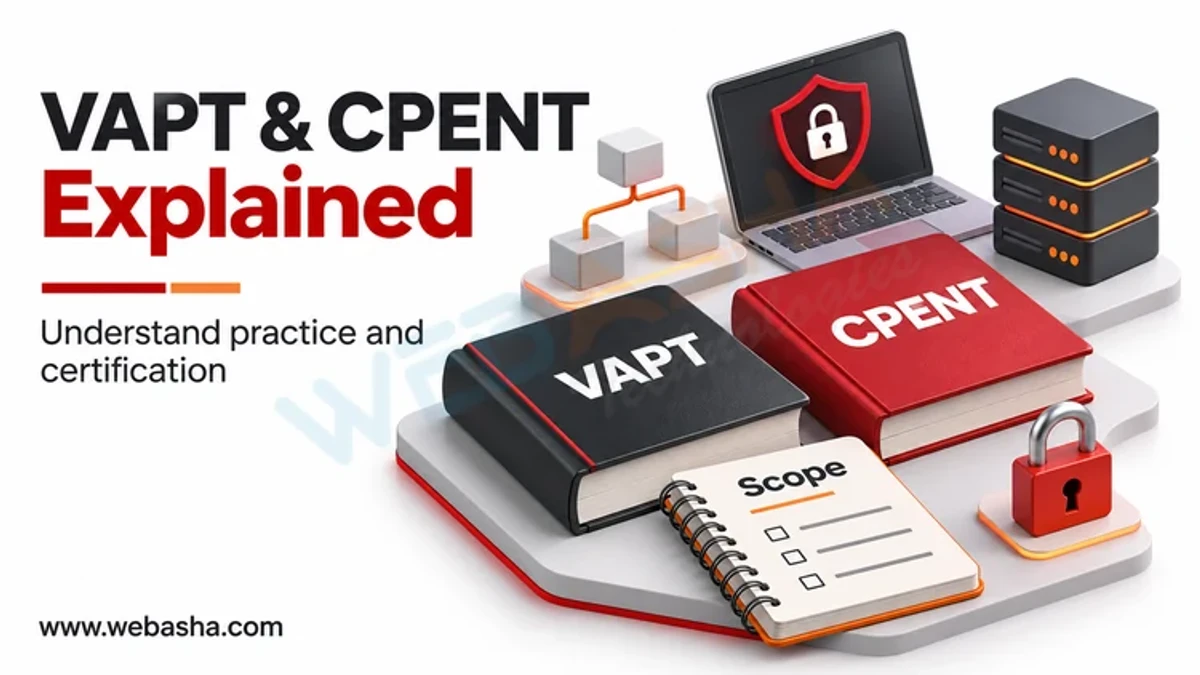
Ethical Hacker and Penetration Tester: Role, Skills and Certifications

An ethical hacker is a security professional who looks for weaknesses in systems with the owner's permission, so they can be fixed before criminals find them. A penetration tester does this inside a formal engagement with a written scope, rules of engagement and a final report. The two titles overlap heavily.

HTTrack vs Wget: Comparing Website Mirroring Tools for Safe Use

HTTrack and GNU Wget both copy websites for offline use. HTTrack is a dedicated website copier with a graphical interface on Windows (WinHTTrack) and a browser-based one on Linux and macOS (WebHTTrack). It rebuilds a browsable local mirror with little configuration. Wget is a command-line downloader found on most Linux systems, easy to script and automate.

Is Website Mirroring Legal? Indian Law and Ethics for Researchers

Mirroring a website means copying its pages and files to your own storage. In India it is not automatically illegal, but it can become unlawful quickly. Copying without permission can breach the reproduction right under the Copyright Act, 1957. Downloading data from a computer without the owner’s permission, or overloading a server, can fall under Sections 43 and 66 of the Information Technology Act, 2000.

HTTrack Website Copier: Features and Responsible Configuration

HTTrack is a free, open-source website copier released under the GNU GPL. It downloads a site’s pages, images and files to a local folder and rewrites links so the copy can be browsed offline. It runs on Windows (WinHTTrack), Linux and other Unix systems (WebHTTrack and a command line), and after a long pause it is maintained again, with version 3.51-0 dated 28 October 2026 on httrack.com.

OSINT in Ethical Hacking: Scope, Techniques and Best Practices

In ethical hacking, open source intelligence (OSINT) is the reconnaissance phase of an authorised test: collecting publicly available information about the client organisation, such as domains, exposed services, leaked documents and staff roles, to understand its attack surface. It must stay inside the written scope agreed with the client.

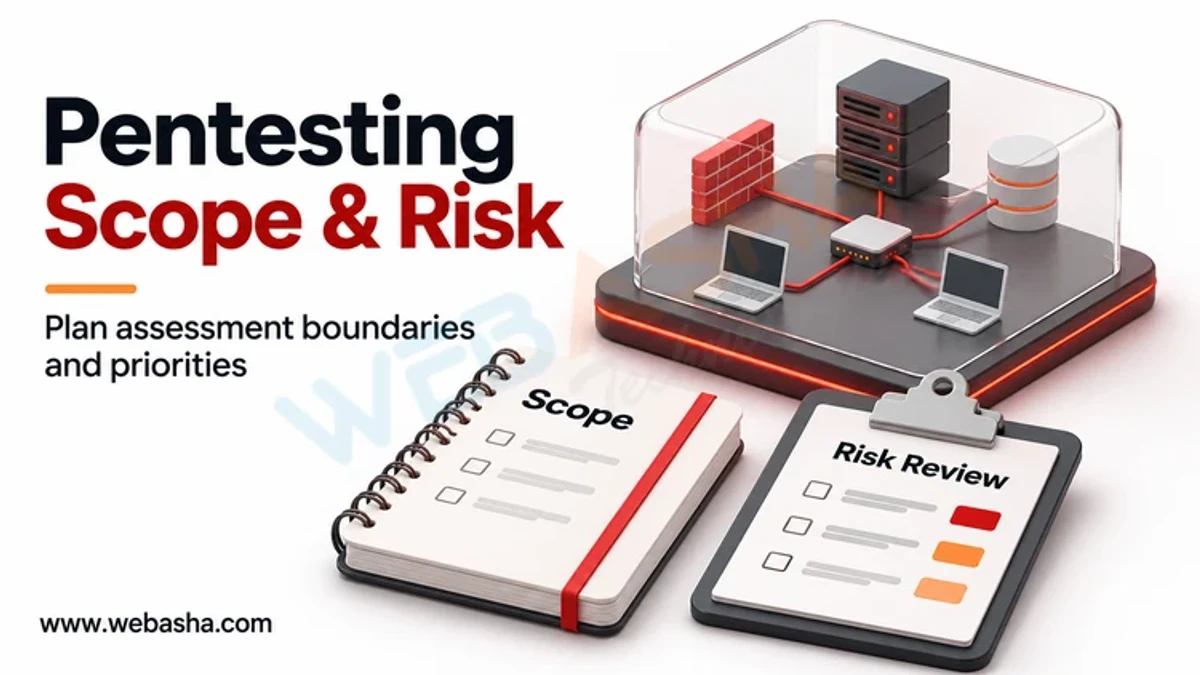
Target Selection and Risk Assessment in Penetration Testing

In penetration testing, targets are never picked by the tester alone. They are agreed with the client during scoping, based on business value, internet exposure, data sensitivity, recent changes and proof of ownership. Before testing, the team assesses two kinds of risk: the risk the test itself poses to live systems, and the risk each target faces from real attackers.

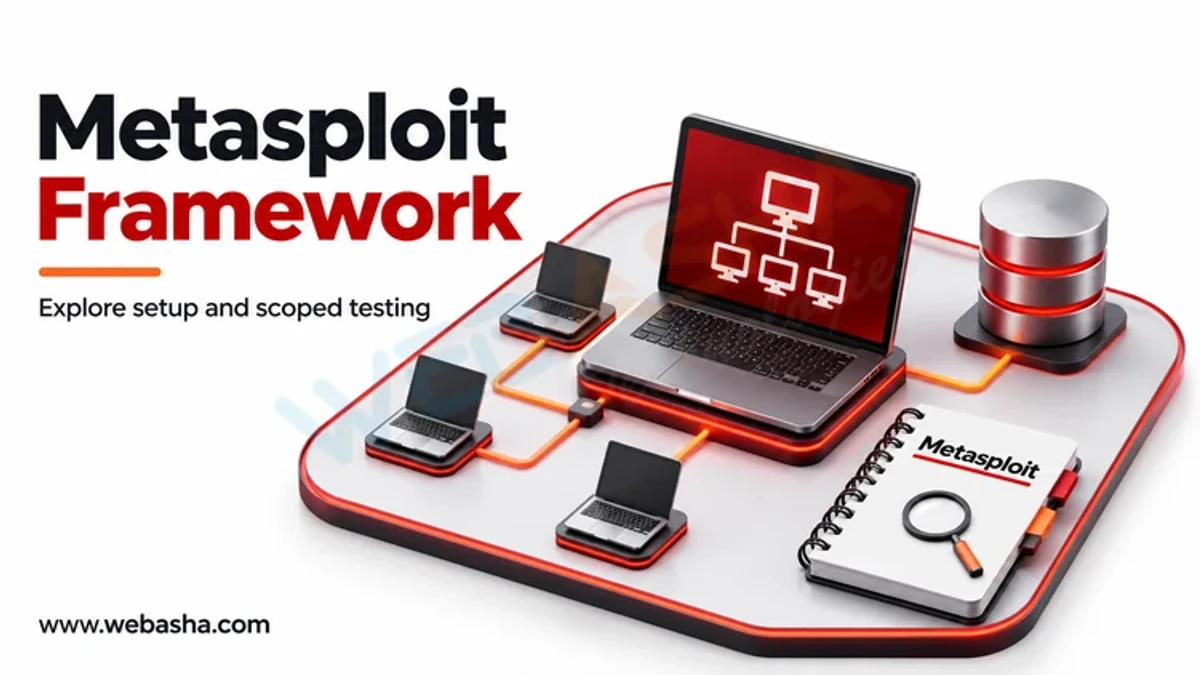
Metasploit Framework: What It Is, Database Setup and Safe Lab Use

The Metasploit Framework is an open source penetration testing framework maintained by Rapid7 and preinstalled on Kali Linux. It bundles modules for scanning, checking and validating known vulnerabilities, plus a PostgreSQL database that records hosts, services and findings for each project. Security teams use it in authorised tests to confirm whether a weakness is real and to prove that patches work.

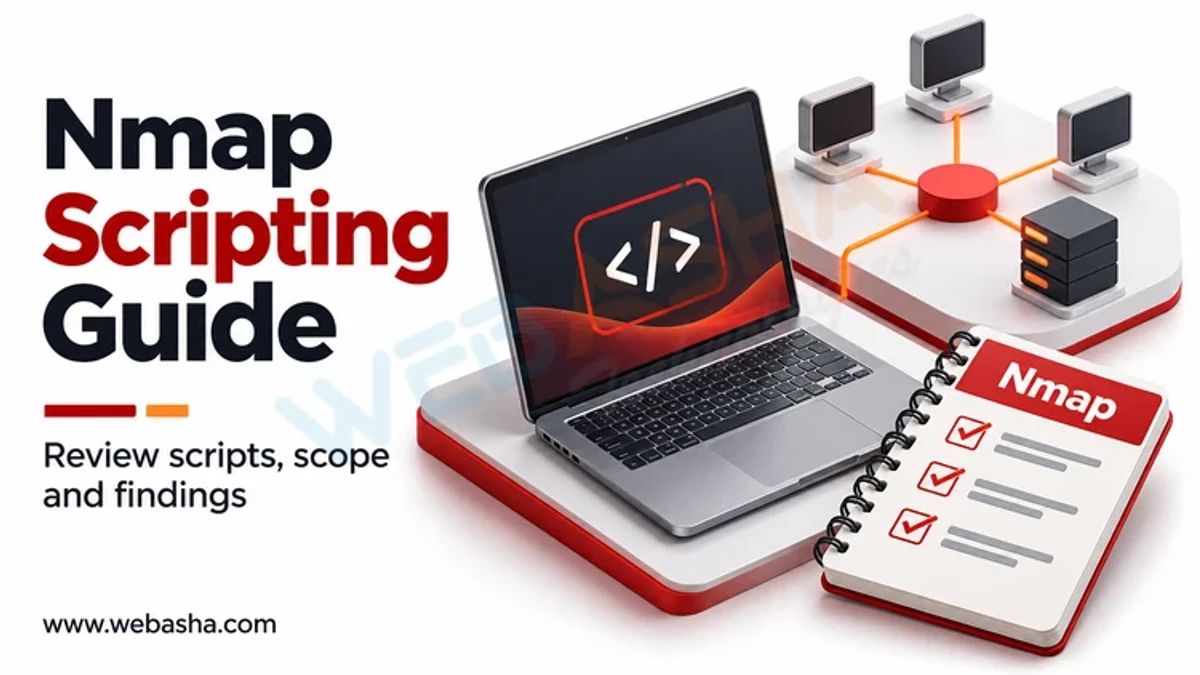
Nmap Scripting Engine Guide: Categories, Safe Scripts and Usage

The Nmap Scripting Engine (NSE) lets Nmap run Lua scripts that collect extra information about hosts and services, such as TLS details, HTTP titles or SMB settings, and check for some known vulnerabilities. Scripts are grouped into categories like default, safe, discovery, version, vuln and intrusive.

Can AI Replace Human Cyber Experts? What the Evidence Shows

No, not on current evidence. AI systems now do some expert tasks well: in DARPA’s AI Cyber Challenge final in August 2025, autonomous systems found and patched real vulnerabilities in open source code, and Google’s Big Sleep agent found an exploitable SQLite bug in 2024. But these results came from narrow, well-defined tasks, and the teams themselves describe limits.

Linux Networking Commands for Security: ip, ss, dig and tcpdump

A small set of Linux commands answers most network security questions on a host you manage. ip shows addresses, routes and neighbours. ss lists listening ports and open connections with the owning process. dig checks DNS answers. curl tests a web service and its TLS certificate. tcpdump captures packets for close inspection.