Welcome!

Unlock your personalized experience.
Sign Up
Tag

Ethical Hacking Articles, Guides & Tutorials - Page 3

168 posts Page 3 / 11

Linux Security Tools for Defenders: Lynis, AIDE, auditd and More

Six free, actively maintained tools cover most Linux host defence. Lynis audits a system and suggests hardening steps. AIDE records file hashes and reports unexpected changes. auditd logs security events such as changes to sensitive files and use of privileged commands. Fail2Ban watches logs and temporarily bans addresses that repeatedly fail to log in.

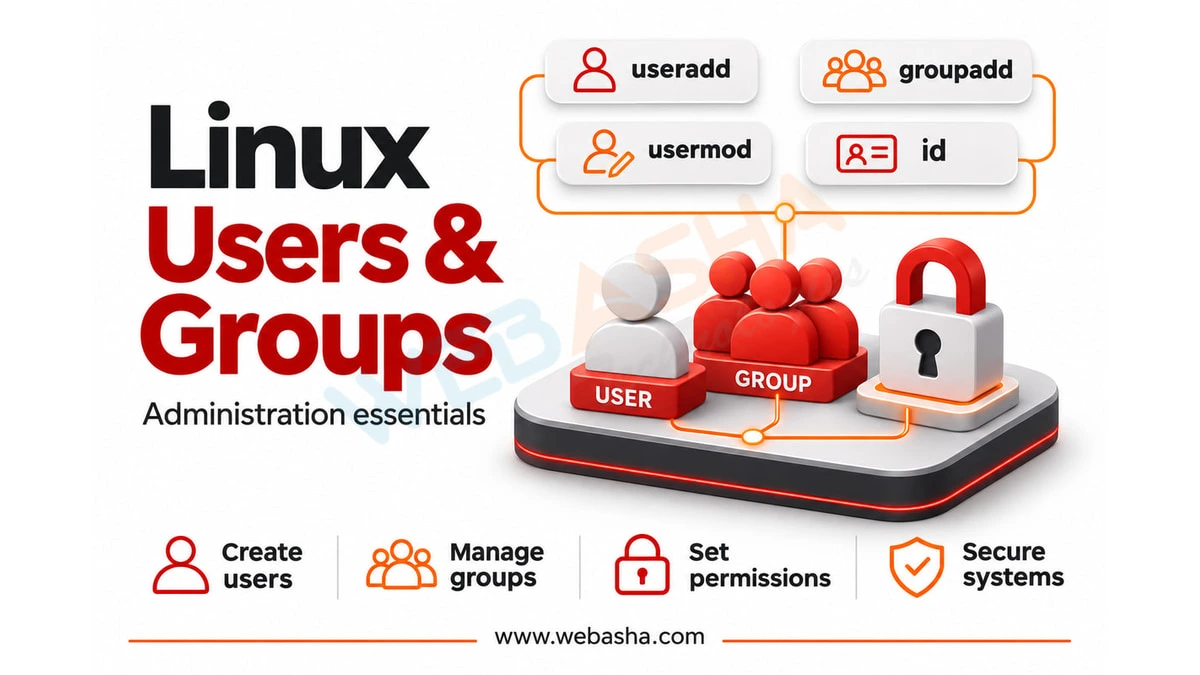
Linux Essentials for Security Professionals: Skills and Commands

Security professionals need Linux because most servers, cloud workloads, containers and security tools run on it. The essentials are: understanding users, groups and file permissions; seeing which processes, services and network ports are active; reading system logs and authentication records; keeping packages patched; and hardening systems against benchmarks such as the CIS Benchmarks.

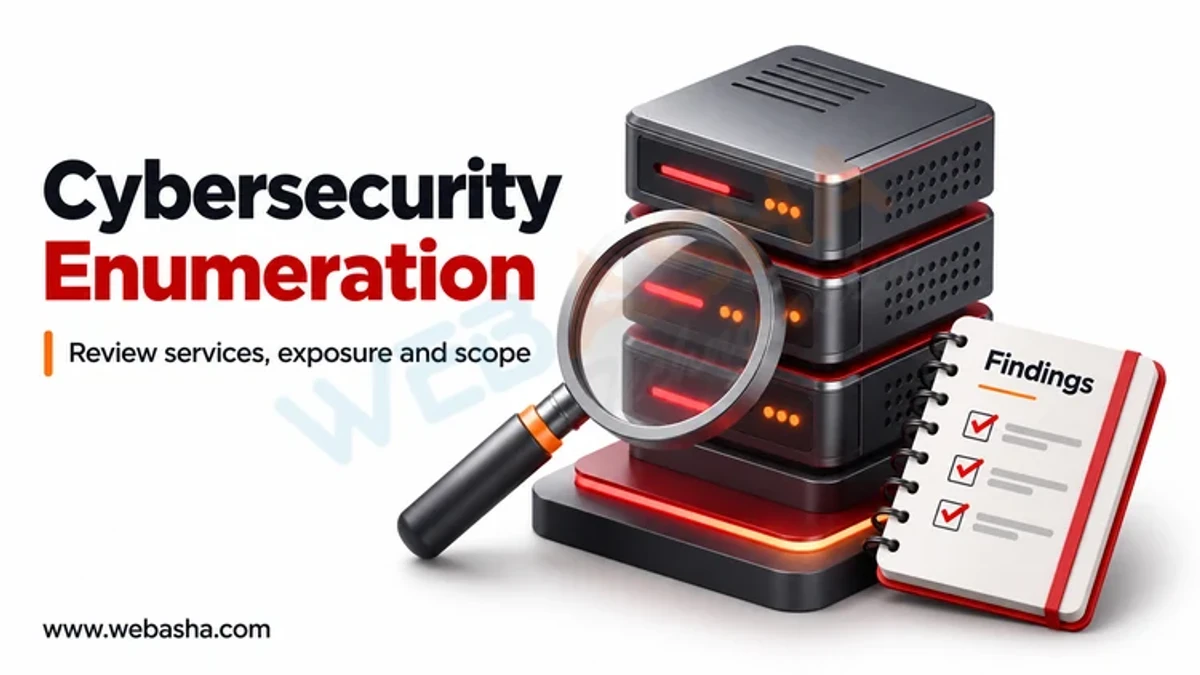
What Is Enumeration in Cybersecurity? SNMP, SMB, LDAP, NFS and BGP

Enumeration is the stage after scanning where someone connects to discovered services and asks them for details: user and group names, shares, device information, directory structure and routing data. Protocols such as SNMP, SMB, LDAP, NFS and BGP can reveal far more than intended when they are left on default settings.

Network Scanning Explained: How to Detect and Defend Against Scans

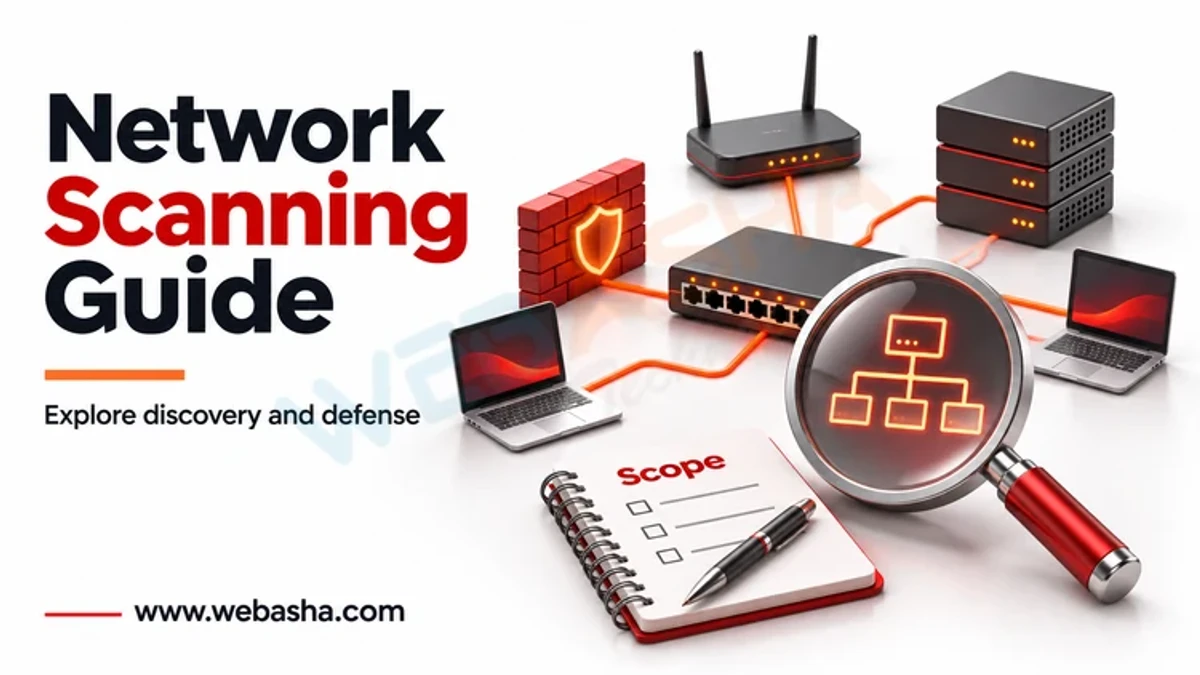
Network scanning is the automated probing of IP addresses and ports to find live hosts, open services and software versions. Attackers scan to pick targets; defenders scan their own networks to find exposure first. You cannot stop the internet from scanning you, but you can shrink what scans find and spot the scans that matter.

How AI Is Used in Ethical Hacking Work Today, and Where It Falls Short

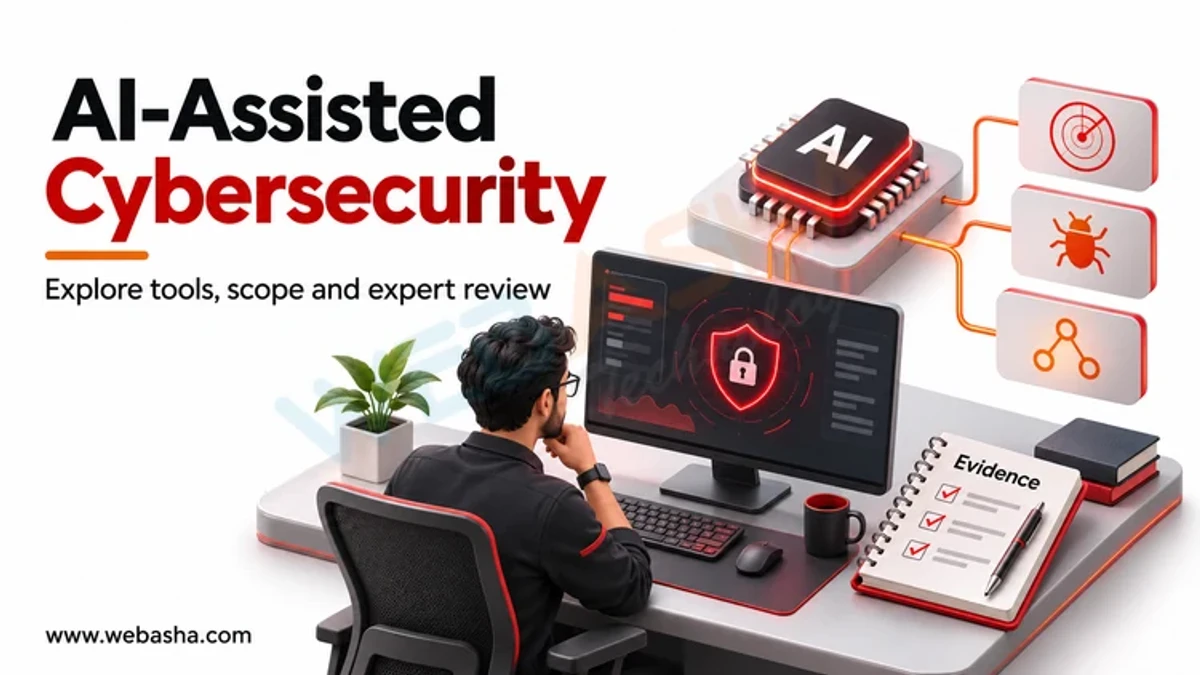
In authorised ethical hacking work, AI is mainly an assistant. Testers use large language models to summarise scope documents, sort scan output, explain unfamiliar technologies, draft test plans and write first versions of reports. A growing share of work is the reverse: testing AI systems themselves for problems such as prompt injection, which the OWASP Top 10 for LLM Applications lists first.

Should Governments Regulate AI-Powered Cybersecurity Tools?

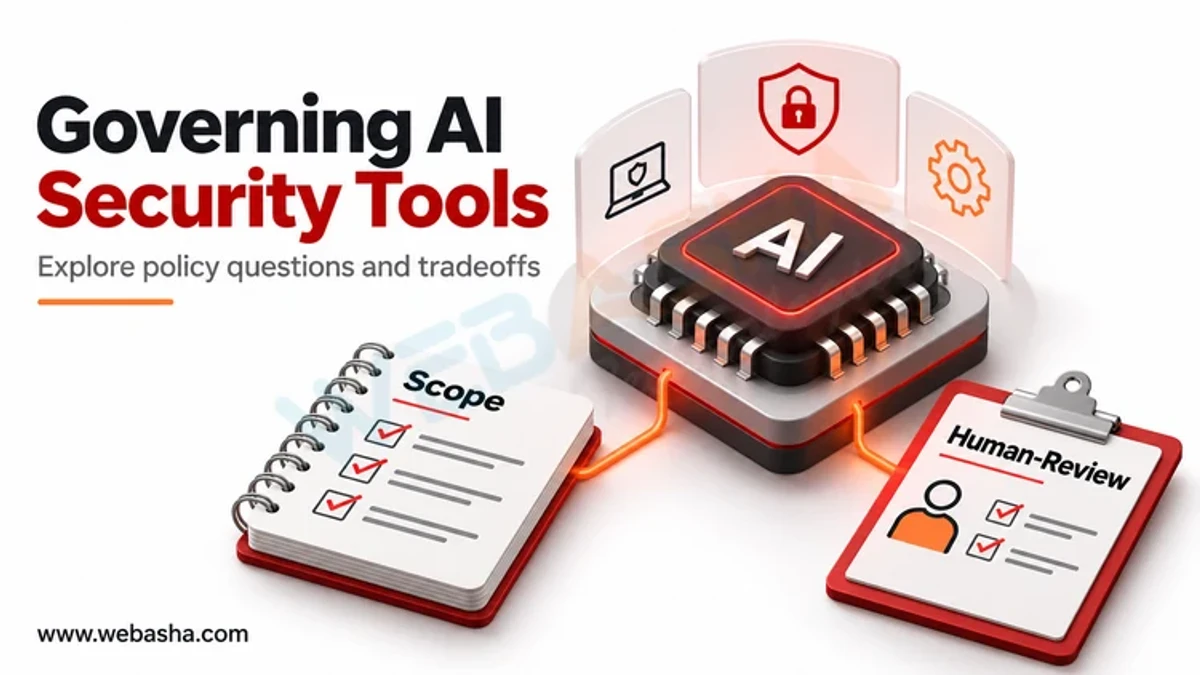
There is a reasonable case for some regulation and a strong case against blanket rules. AI security tools can be misused for attacks, can fail in ways that harm users, and process sensitive data, which supports rules on transparency, data protection and export of offensive capabilities. But heavy rules can slow defenders, while attackers ignore the law. Current approaches reflect this balance.

AI in Offensive Security Testing: Where Are the Ethical Boundaries?

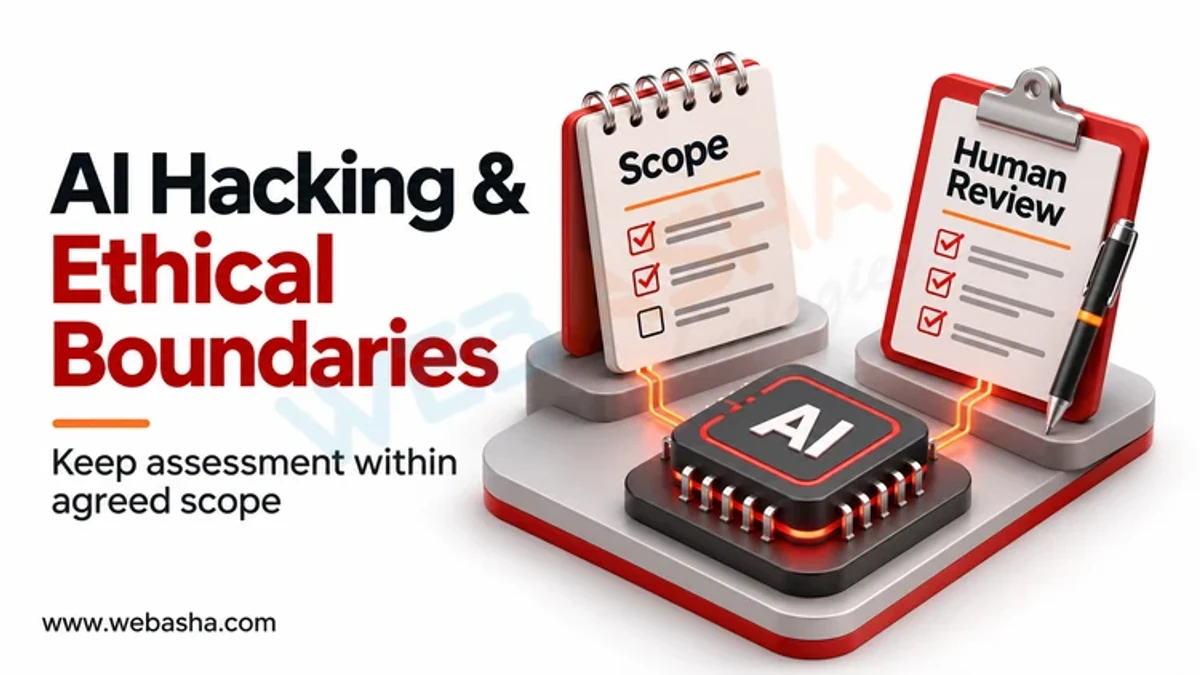
AI can support legitimate penetration testing and red teaming, but the same ethical lines apply as for any offensive work, plus a few new ones. You need written authorisation and a clear scope before any test. Client data must not be pasted into AI services that are not approved in the contract. AI output must be checked by a qualified human, who stays accountable for every action.

AI-Driven Exploitation: How Dangerous Is It, Based on the Evidence?

AI-driven exploitation is a real and growing risk, but the public evidence shows it speeding up existing work rather than creating unstoppable attackers. In DARPA's AI Cyber Challenge final in August 2025, automated systems found and patched many planted bugs and also found 18 real vulnerabilities. Google's Big Sleep agent has found real memory-safety flaws in SQLite.

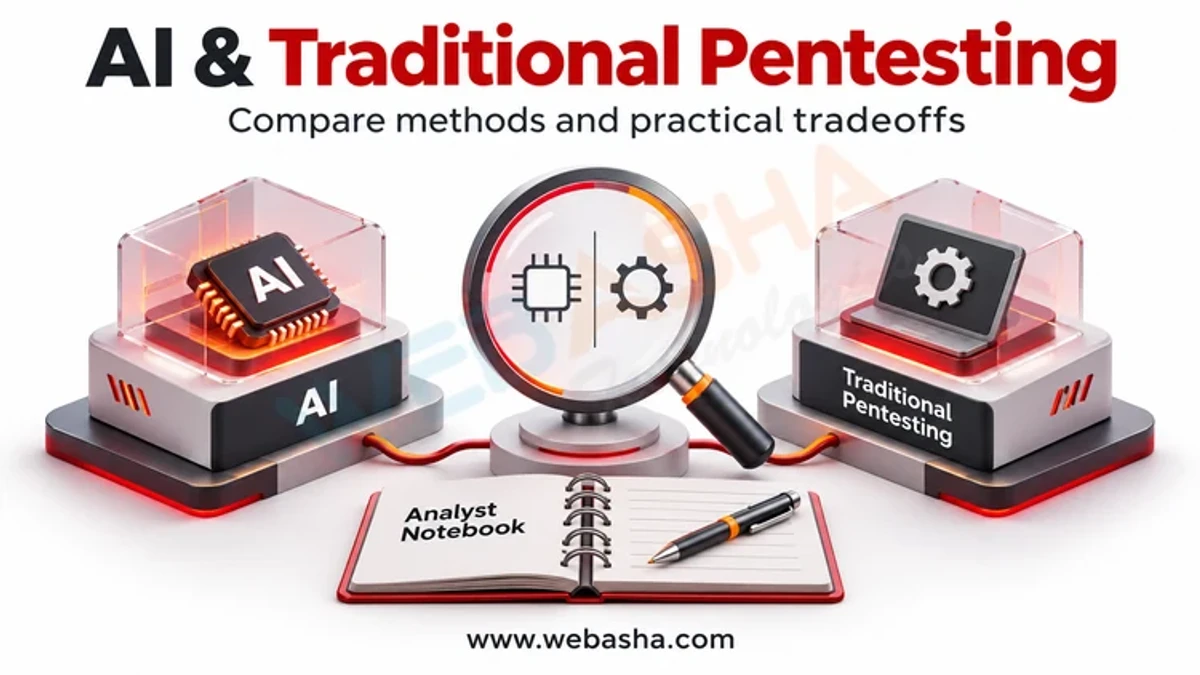
AI vs Manual Pentesting: Which Is More Effective, Per the Evidence?

Neither wins on its own. AI-assisted testing is faster and more consistent at broad, repeatable work such as scanning, triage and drafting reports. Manual testing remains more effective at finding access control flaws, business logic issues and chained attack paths, and at judging real business impact.

AI Reconnaissance Tools in Authorised Testing: Ethical Dilemmas

AI reconnaissance tools help authorised testers map an organisation's exposure quickly, but they create ethical dilemmas that manual work rarely did. The main ones are scope creep, where automated discovery wanders into assets the client does not own; collection of employees' and third parties' personal data; tools that take actions without a human decision; and sensitive findings sent to external AI services.

AI OSINT Quality Control: Source Grading and the Admiralty Code

AI can collect and summarise open sources quickly, but it does not judge how reliable they are. Quality control fixes that. The most widely used method is the Admiralty code, also called the NATO system: rate each source from A (completely reliable) to F (cannot be judged), and each piece of information from 1 (confirmed by other sources) to 6 (truth cannot be judged).

AI in Hacking: Should Your Organisation Allow Offensive AI Tools?

AI tools that help find and exploit weaknesses are dual use: the same capability helps an authorised red team and a criminal. Organisations usually choose one of three policies: ban them, allow approved tools for named roles, or allow them only in a controlled sandbox with logging and approval.

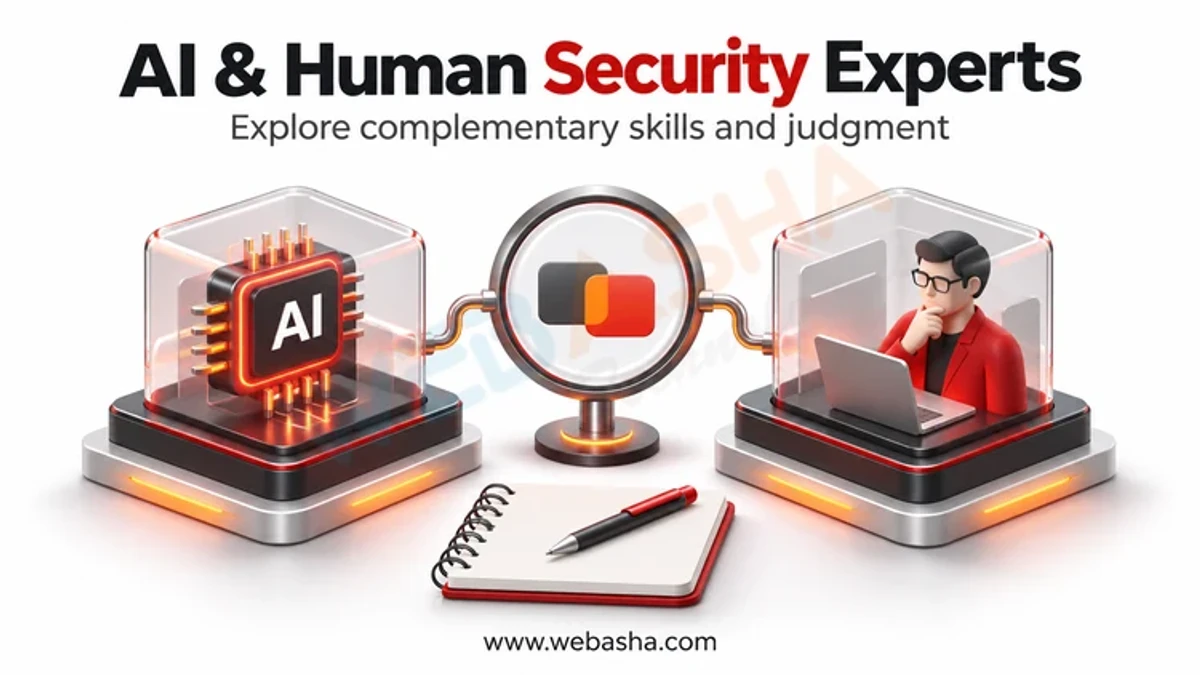
AI vs Human Hackers: Strengths, Limits and Why Combining Works

Neither side simply wins. AI systems are fast, tireless and good at repetitive work such as sorting scan output, summarising logs and drafting reports. Human hackers bring context, judgment, creativity and legal accountability, which matter most for business logic flaws, chained attacks and deciding what is safe to test.

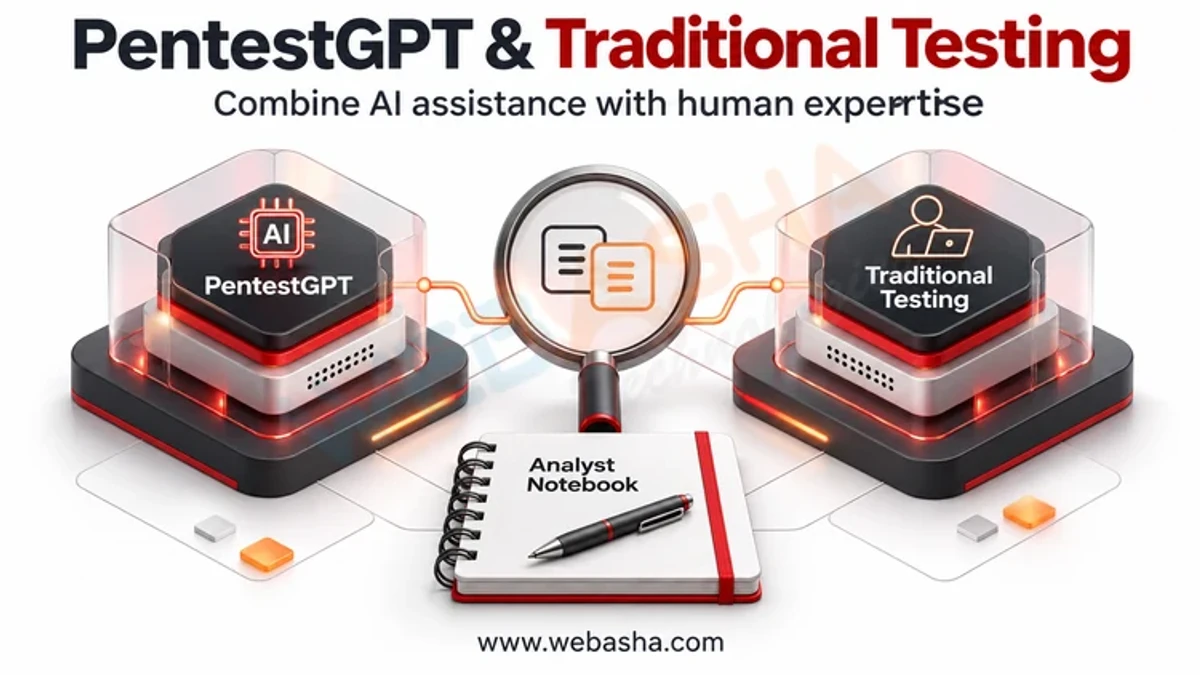
PentestGPT vs Traditional Pentesting: Where AI Helps and Humans Lead

PentestGPT is an open-source research tool that uses a large language model to help a penetration tester plan, track and reason through a test. It was described in a paper at USENIX Security 2024, where it improved task completion over using a raw model, but it remained a human-in-the-loop assistant.

How to Become an Ethical Hacker Legally in India

To become an ethical hacker legally in India, test only systems you own or have written permission to test. Under the IT Act 2000, accessing a computer without the owner's permission can lead to compensation claims under Section 43 and criminal charges under Section 66 when done dishonestly or fraudulently. Practise in your own lab and on intentionally vulnerable training platforms.