Welcome!

Unlock your personalized experience.
Sign Up
Tag

Ethical Hacking Articles, Guides & Tutorials - Page 6

168 posts Page 6 / 11

How to Start Penetration Testing Practice Safely

Start practical penetration testing study with a bounded exercise that matches your foundations and has explicit permission. Define the question, observe the result, explain its limitations and write a short finding before adding harder tasks. Provider labs and isolated learning environments can support practice; they are not equivalent to professional client experience.

Do Penetration Testers Need Programming Knowledge?

You can start with systems and authorised exercises before writing substantial programs. Then learn to read a small script, predict its output and explain what it could change. Add programming when a real task needs it, such as checking the fields in an exported report. Python, shell languages, JavaScript and SQL support different work, so choose a useful task first.

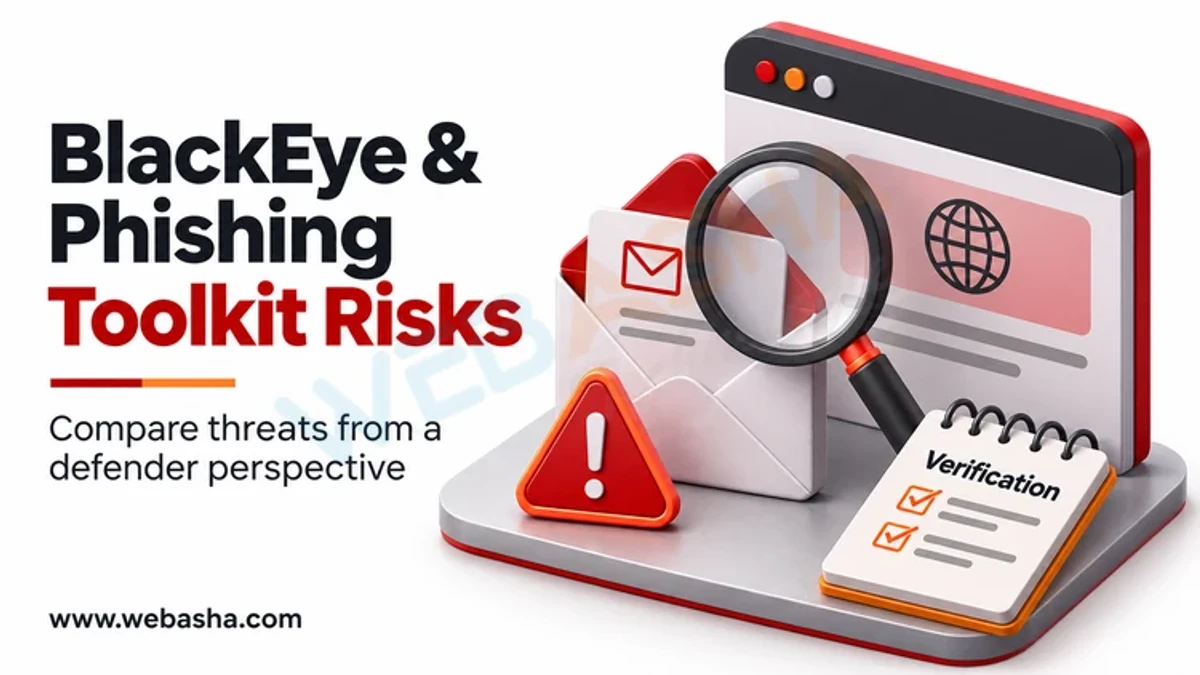
BlackEye and Phishing Toolkits: A Defender’s Comparison

For a defender, the useful comparison is between the behaviour a phishing attempt produces and the controls that can interrupt it. A copied sign-in page, an attempt to abuse an authenticated session and a managed training exercise raise different questions about passwords, authentication, reporting and approval. Do not identify a toolkit solely from how a page looks.

BlackEye Phishing Tools: Legal and Training Boundaries

A claim that BlackEye-related activity is for training does not establish that it is lawful or appropriate. Written authorisation, the authority of the person approving it, target boundaries, third-party rights and data handling all matter. Prefer a learning design that avoids real credentials and unnecessary exposure, and obtain qualified advice before a real engagement.

BlackEye-Style Website Clones: Recognise and Report Fake Pages

A copied login page can resemble a genuine service while sending information to someone else. To recognise suspected BlackEye-style phishing, check how you reached the page and verify the request through the service's normal app or saved address. Report the original message and visible address without entering test credentials or reopening the page.

BlackEye-Style Phishing Risks: Where Defences Need Attention

BlackEye-style phishing remains a risk pattern worth defending against because a convincing login request can expose credentials without breaking the genuine service. The useful question is which accounts, recovery routes and business processes would be affected, rather than whether one named toolkit is “effective.” Review your authentication, payment verification and reporting arrangements together.

Respond to BlackEye-Style Phishing: A Defender’s Triage Guide

Defenders should handle suspected BlackEye-style phishing as an incident supported by observable facts, rather than waiting for a toolkit attribution. Triage recipient reports, establish what information or approvals were exposed, protect affected accounts and investigate related activity through authorised systems. Keep message removal, account recovery and financial response as separate tasks with named owners.

Can BlackEye Be Used Ethically? Plan Safer Phishing Learning

Phishing learning needs a defined educational purpose, appropriate authorisation and controls over people, systems and data. A claim of ethical intent does not grant permission to impersonate others or collect credentials. For most beginner lessons, fictional screenshots and a reporting tabletop can teach the decision without a live fake-login page.

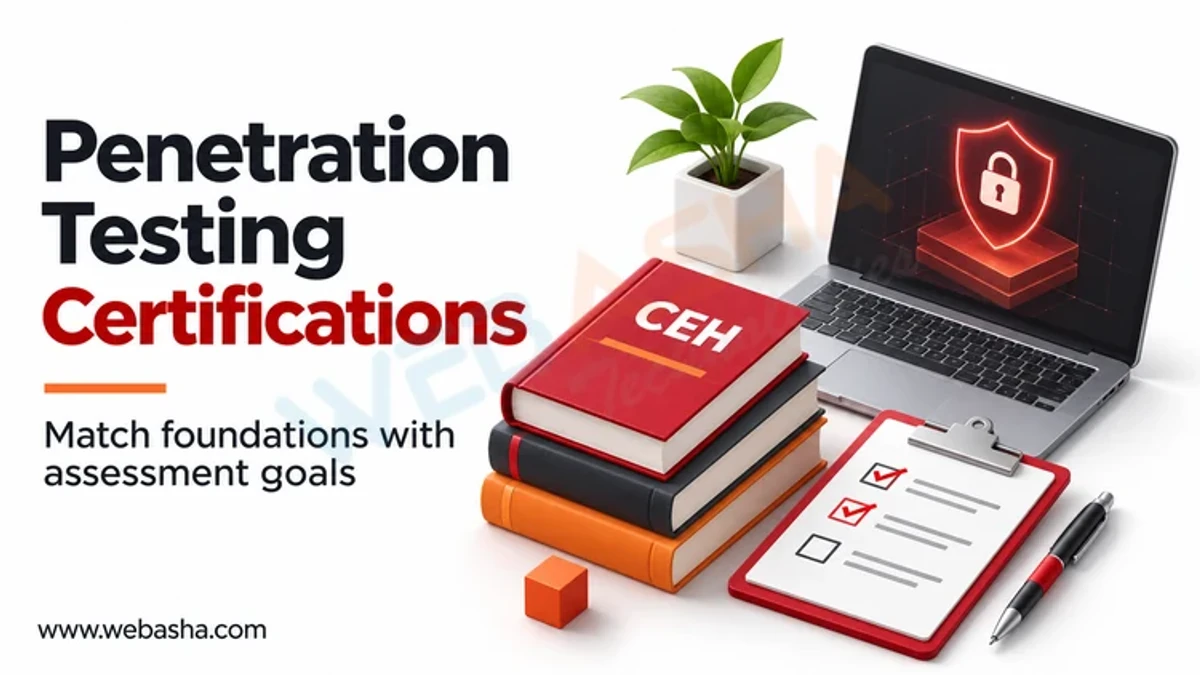
Penetration Testing Certifications: Choose for the Job You Want

A penetration testing certification can support an application when its assessed skills match the role, but it does not replace practical work or guarantee a job. Compare the current objectives, assessment format, prerequisites and candidate policies before choosing. eJPT, PEN-200 with the OSCP/OSCP+ pathway, GPEN and CEH address different needs and should not be treated as interchangeable badges.

Penetration Tester Skills: Build a Repeatable Lab Workflow

A penetration tester needs networking, operating-system and web knowledge, plus the ability to plan authorised work, interpret results and explain useful fixes. Tools help with those tasks but do not replace judgement. Build the skills through a small permitted lab workflow: define scope, understand the application, record observations, test only what is allowed and write a reproducible report.

How to Become a Forensic Investigator: Choose Your Specialism

Start by identifying which kind of forensic work you mean. Laboratory forensic science, crime-scene work and digital investigation involve different evidence, education and employment rules. For a digital route, build computing foundations, learn authorised evidence handling and practise explaining a finding using safe reference material. Check the actual programme or vacancy before buying specialist training.

Ethical Hacking Interviews: Explain Your Assessment Decisions

Prepare to explain how you would plan, check and report an authorised assessment. A useful interview answer connects a technical observation with the evidence needed to support it, the limits of that evidence and the next safe step. Practise on one fictional finding instead of memorising a long list of tools. Read the actual vacancy, prepare a concise lab example and ask how junior work is reviewed.

Ethical Hacking Tools: Build a Small, Understandable Workflow

Learn tools by the question each helps answer. Start with networking and HTTP concepts, then choose a small set for an authorised learning environment: reading traffic, understanding a web conversation, organising observations and writing a report. Tool output needs interpretation and scope checks. A detected service is not automatically vulnerable, and a scanner finding is not automatically confirmed.

Beginner Ethical Hacking Jobs: Read Beyond the Job Title

Search by responsibilities as well as titles. Junior penetration tester, assessment trainee, vulnerability analyst and security analyst can describe different work across employers. Compare the permitted tasks, required experience, supervision and evidence requested in each vacancy. A beginner-friendly title does not ensure a beginner-friendly workload.

Show Ethical Hacking Skills With a Reviewable Portfolio

Give a potential employer a small, reviewable sample of your work. Explain the authorised lab, the question you investigated, your evidence and the limits of the conclusion. Include a short report, safe supporting files and a clear description of your own contribution. A finished example with a correction and retest discussion can be more informative than many unexplained badges.

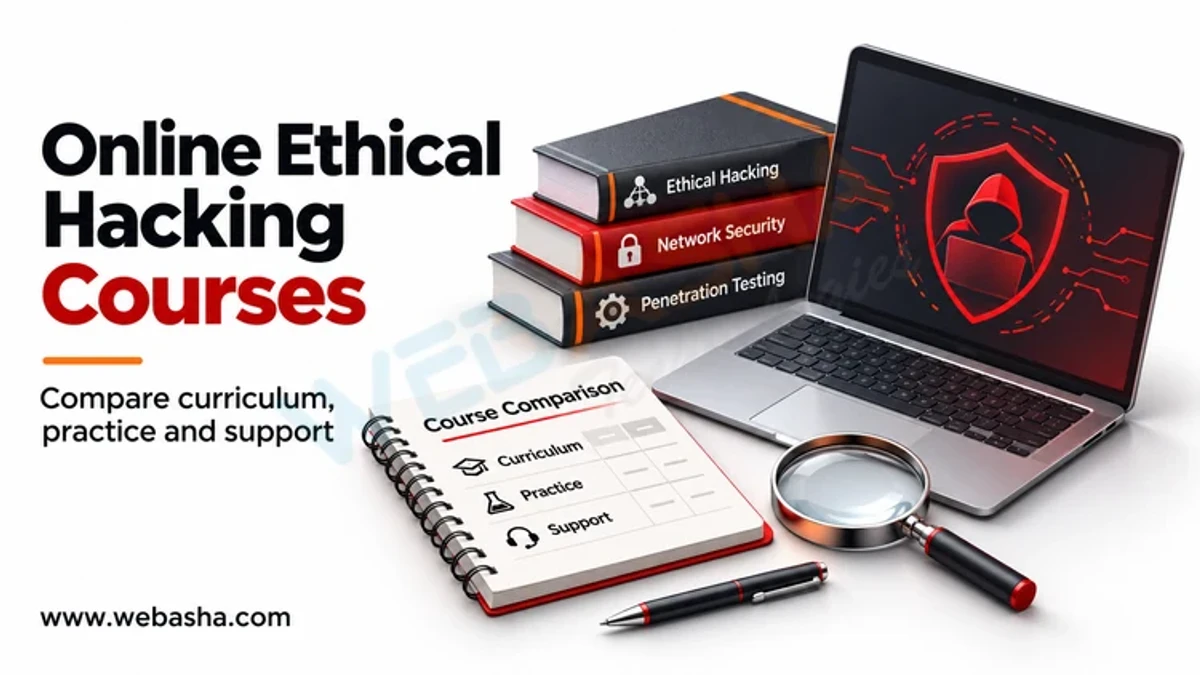
Online Ethical Hacking Courses: Compare Practice and Feedback

Choose an online course by the task you want to learn, your starting knowledge and the feedback you will receive. Compare a sample lesson and lab instructions before paying for a long programme. Web-security labs, general foundations and a penetration-testing course serve different purposes. Check prerequisites, access duration, assessment format and publication rules separately.