Welcome!

Unlock your personalized experience.
Sign Up
Tag

Threat detection Articles, Guides & Tutorials

25 posts Page 1 / 2

What Is Cyber Threat Intelligence? Types, Lifecycle and Tools

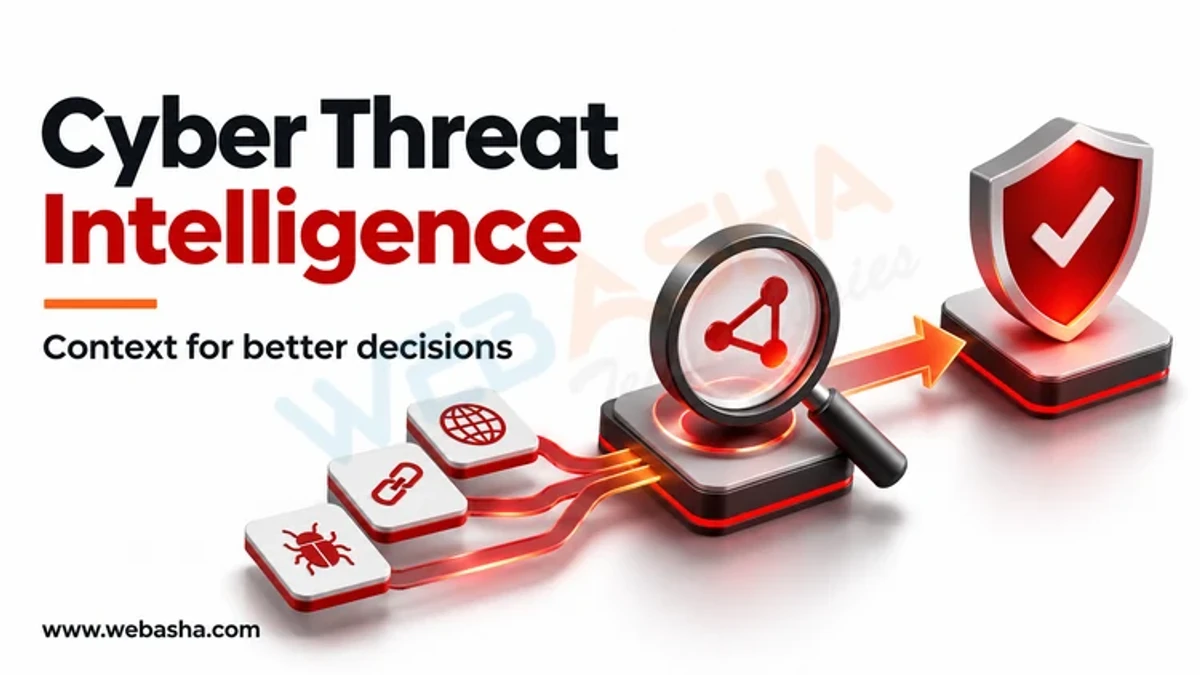
Cyber threat intelligence (CTI) is evidence-based knowledge about attackers, their goals, techniques and indicators, analysed so that defenders can make decisions. It comes in strategic, operational, tactical and technical forms for different audiences, and follows a lifecycle of direction, collection, processing, analysis, dissemination and feedback.
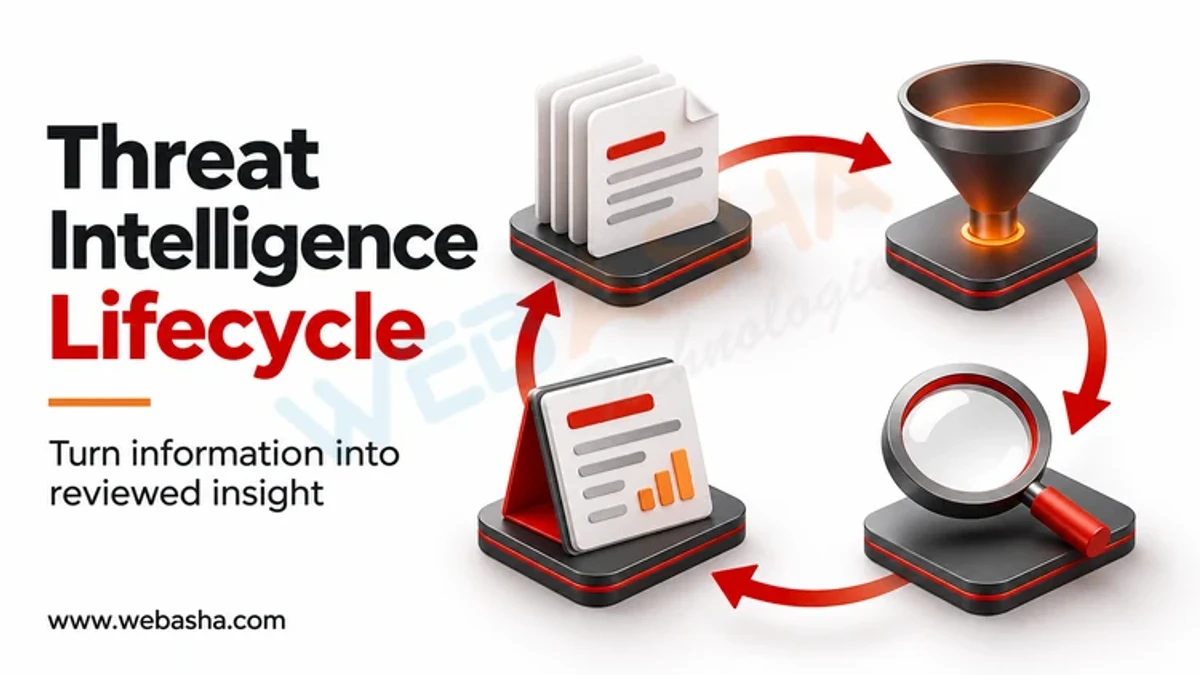
Threat Intelligence Lifecycle: A Step-by-Step Guide

The threat intelligence lifecycle is the repeating process that turns raw threat data into decisions. Most teams use six phases: direction (set requirements), collection (gather data), processing (clean and normalise it), analysis (turn it into assessments), dissemination (deliver it to the right audience) and feedback (check whether it helped). The cycle then starts again with updated requirements.

Real-World OSINT Successes and Failures: Documented Cases and Lessons

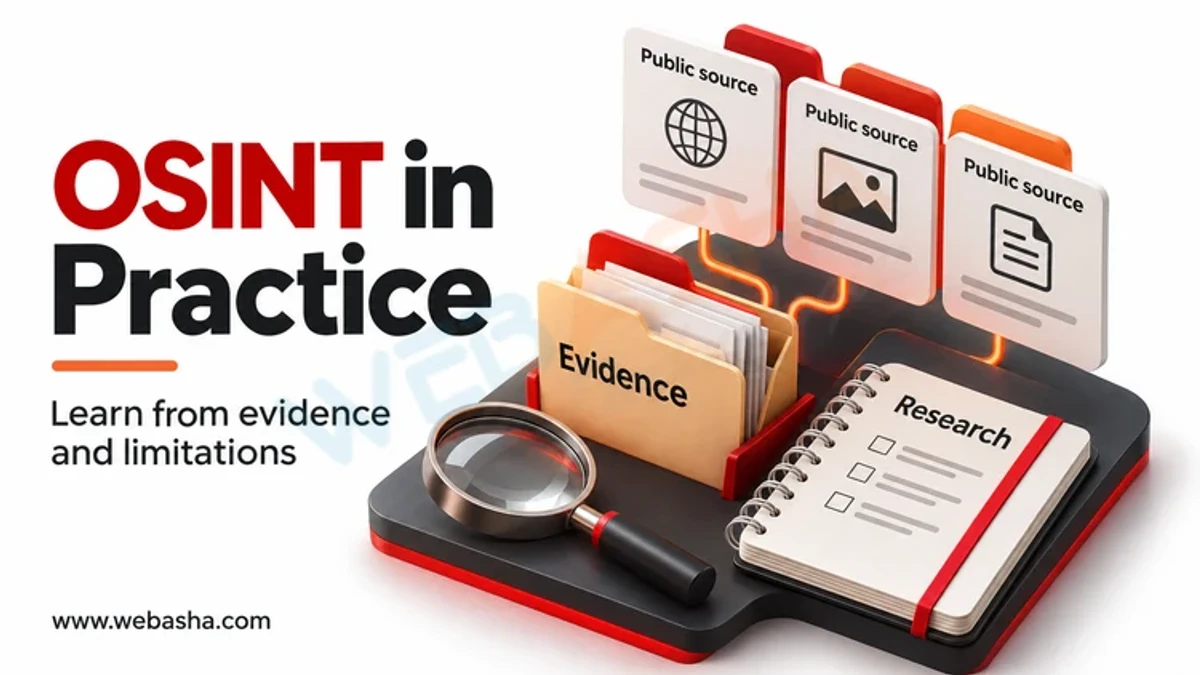
Open source intelligence (OSINT) has produced real successes and serious failures. A well-documented success is Bellingcat's open-source investigation into the July 2014 downing of flight MH17, whose key findings about the Buk missile system were matched by the Dutch-led Joint Investigation Team in September 2016.

What Is a SOC Analyst? Role Profile, Tiers, Daily Tasks and Skills

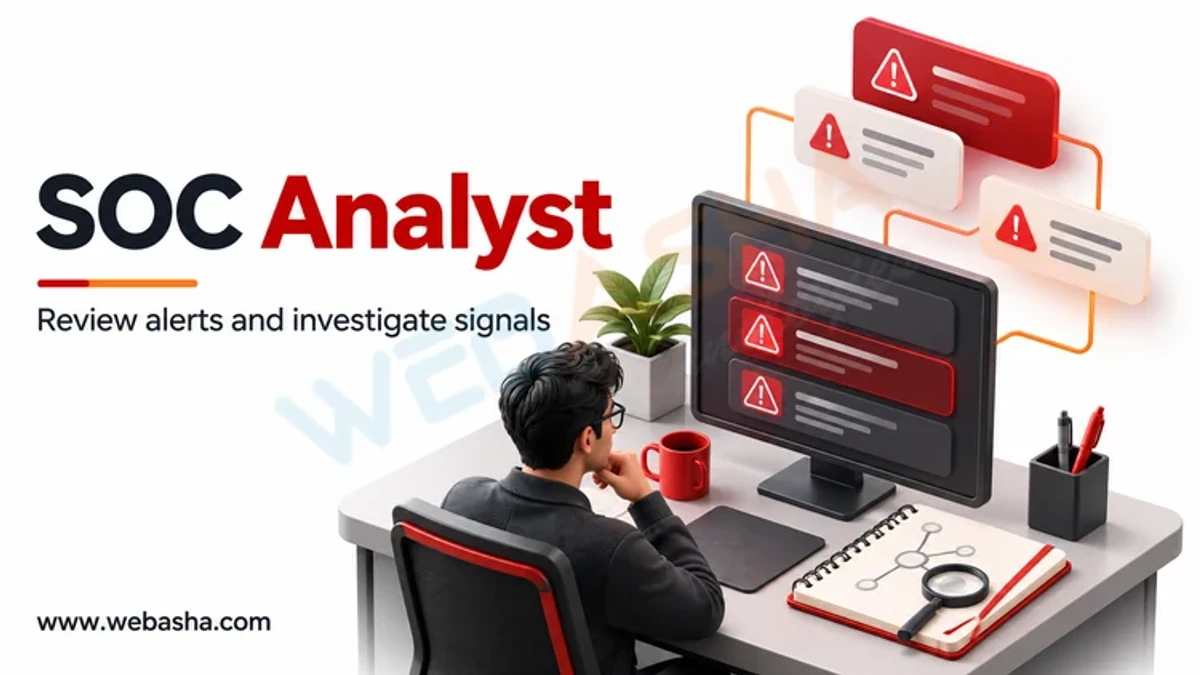
A SOC analyst works in a security operations centre, watching alerts from security tools, deciding which ones are real, and escalating or handling incidents. In the NIST NICE Framework (Components v2.2.0) the role maps to Defensive Cybersecurity (PD-WRL-001), with senior analysts overlapping Incident Response (PD-WRL-003).

AI for Threat Detection and Response: How It Works in a SOC

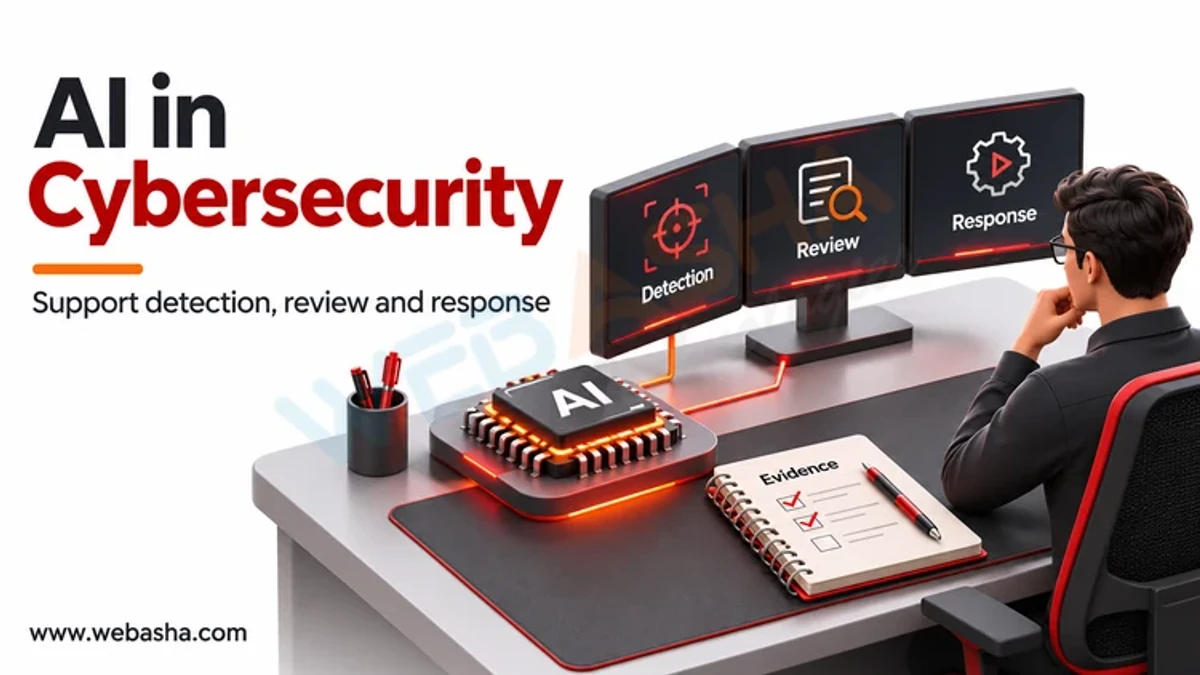
In a security operations centre (SOC), AI helps at each step of handling an alert. Machine learning models flag unusual logins, traffic and process behaviour that fixed rules miss. Scoring and correlation group related alerts into one incident so analysts see fewer, richer cases. Generative AI summarises evidence and drafts investigation notes.

Security Features in Modern Operating Systems: Windows, macOS, Linux

Modern operating systems protect data in layers. Secure Boot checks that startup code is signed before it runs, and a TPM or similar chip stores keys and measurements of the boot process. Virtualisation-based security in Windows 11 isolates sensitive processes from the rest of the system. Memory protections and a shift to memory-safe languages make bugs harder to exploit.

How AI Is Changing Cyber Risk Management: Uses, Limits and Governance

AI is changing cyber risk management in two ways. First, it helps teams handle more data: machine learning can prioritise vulnerabilities, spot unusual behaviour, summarise threat intelligence and keep asset and risk registers up to date. Second, AI systems are themselves a new source of risk, from data leakage and prompt injection to biased or wrong outputs.

Auditing Your Digital Footprint With AI: A Defender Checklist

Digital footprinting is mapping what the internet reveals about an organisation: domains, subdomains, exposed services, staff details, leaked credentials, documents and code. Attackers do it first, as MITRE ATT&CK describes under Reconnaissance. Defenders should do it to themselves, regularly.

The Evolution of OSINT: From Library Research to the AI Era

Open-source intelligence began long before the internet. During the Second World War, governments monitored foreign radio broadcasts and newspapers; the US set up a broadcast monitoring service in 1941 that became the Foreign Broadcast Information Service. During the Cold War, analysts read published journals and press.

AI OSINT Quality Control: Source Grading and the Admiralty Code

AI can collect and summarise open sources quickly, but it does not judge how reliable they are. Quality control fixes that. The most widely used method is the Admiralty code, also called the NATO system: rate each source from A (completely reliable) to F (cannot be judged), and each piece of information from 1 (confirmed by other sources) to 6 (truth cannot be judged).

Ethical Hacking Awareness Training for Non-Technical Employees

Non-technical employees do not need to learn hacking tools. They need to understand how an attacker thinks, so that they can spot and report an attempt in their own daily work. Useful training covers phishing and other social engineering, passwords and multi-factor authentication, safe handling of data and devices, and a simple way to report anything suspicious.

Cloud Security Without IT Experience: Where to Start

You can begin learning toward cloud security without previous IT work, but start with the systems that security decisions depend on. Learn files, permissions, networks and one cloud platform, then practise explaining access and activity records. Use small exercises to choose your next step and look for roles with suitable supervision.

Cloud Security Skills You Can Demonstrate With Clear Evidence

Start cloud security with skills that let you explain a request: who made it, which service it reached, what access was required and what evidence records the result. Add networking, data protection, monitoring and a small amount of automation on one platform. Demonstrate each skill through an annotated diagram, review or reproducible exercise.