Data Analytics Career Paths: Roles, Skills and How to Progress
Data analytics is a family of roles, not one job. Most people start as a data analyst, reporting analyst or BI analyst, using Excel, SQL and a dashboard tool to answer business questions.
Topic: Data Analytics & Data Science in AI & Data · Course information
Quick answer: Data analytics is a family of roles, not one job. Most people start as a data analyst, reporting analyst or BI analyst, using Excel, SQL and a dashboard tool to answer business questions. From there, paths branch: toward business or product analysis (closer to decisions), BI development and analytics engineering (closer to data models and pipelines), data engineering (building data infrastructure) or data science (statistics and machine learning). Domain roles such as marketing, finance or healthcare analyst combine the same skills with sector knowledge. Choose a path by the work you enjoy, then build the matching skills and projects.
Key takeaways
- Entry roles share a core: SQL, spreadsheets, a BI tool and clear communication.
- Later paths split toward business decisions, data engineering or data science.
- Domain knowledge can matter as much as tool skill.
- Vendor certificates help structure learning but do not replace projects.
- This guide avoids salary claims; check current, local sources if pay matters to you.
Table of Contents
- What Roles Exist in Data Analytics?
- What Does an Entry-Level Analyst Do?
- How Do Careers Progress From There?
- Why Does Domain Knowledge Matter?
- Which Certifications Support Each Path?
- How Do You Choose a Path?
- References
What Roles Exist in Data Analytics?
| Role | Main focus | Core skills |
|---|---|---|
| Data analyst | Answer business questions with data | SQL, Excel, BI tool, statistics basics |
| BI analyst or developer | Dashboards, data models, reporting | Power BI or Tableau, DAX, data modelling |
| Business analyst | Requirements, processes, decisions | Stakeholder work, documentation, SQL |
| Product analyst | Feature usage, experiments | SQL, A/B testing, event data |
| Analytics engineer | Clean, tested data models for analysts | Advanced SQL, version control, testing |
| Data engineer | Pipelines and data platforms | Python, SQL, cloud, orchestration |
| Data scientist | Prediction and statistical modelling | Python, statistics, machine learning |
The US Bureau of Labor Statistics describes related work in its handbook entries for data scientists and operations research analysts, which are useful for understanding duties even outside the US.
What Does an Entry-Level Analyst Do?
- Pull data with SQL and check it for errors.
- Build regular reports and keep dashboards accurate.
- Answer ad hoc questions from managers.
- Explain findings in plain language, with charts.
- Document definitions so everyone measures a KPI the same way.
Good data management habits, such as clear definitions and data quality checks, are described in the DAMA data management body of knowledge.
How Do Careers Progress From There?
| Direction | Next roles | Skills to add |
|---|---|---|
| Toward decisions | Senior analyst, product or business analyst, analytics manager | Experiment design, storytelling, leading people |
| Toward data models | BI developer, analytics engineer | Data modelling, testing, Git |
| Toward infrastructure | Data engineer | Python, cloud services, pipelines |
| Toward prediction | Data scientist, ML engineer | Statistics, machine learning, deployment |
The NIST Big Data Interoperability Framework defines roles such as data provider, application provider and data consumer, which helps when you map where your work sits in a larger data system.
Why Does Domain Knowledge Matter?
A marketing analyst who understands campaigns, a finance analyst who understands budgets, or a healthcare analyst who understands patient flows can ask better questions than a tool expert without context. If you already work in a sector, analytics skills can build on that experience instead of replacing it.
Which Certifications Support Each Path?
- Google Data Analytics Professional Certificate: broad beginner foundation.
- Microsoft Certified: Power BI Data Analyst Associate (PL-300): BI analyst path.
- Tableau Certified Data Analyst: Tableau-focused BI path.
Vendors change exams, so confirm details on the official pages before preparing.
How Do You Choose a Path?
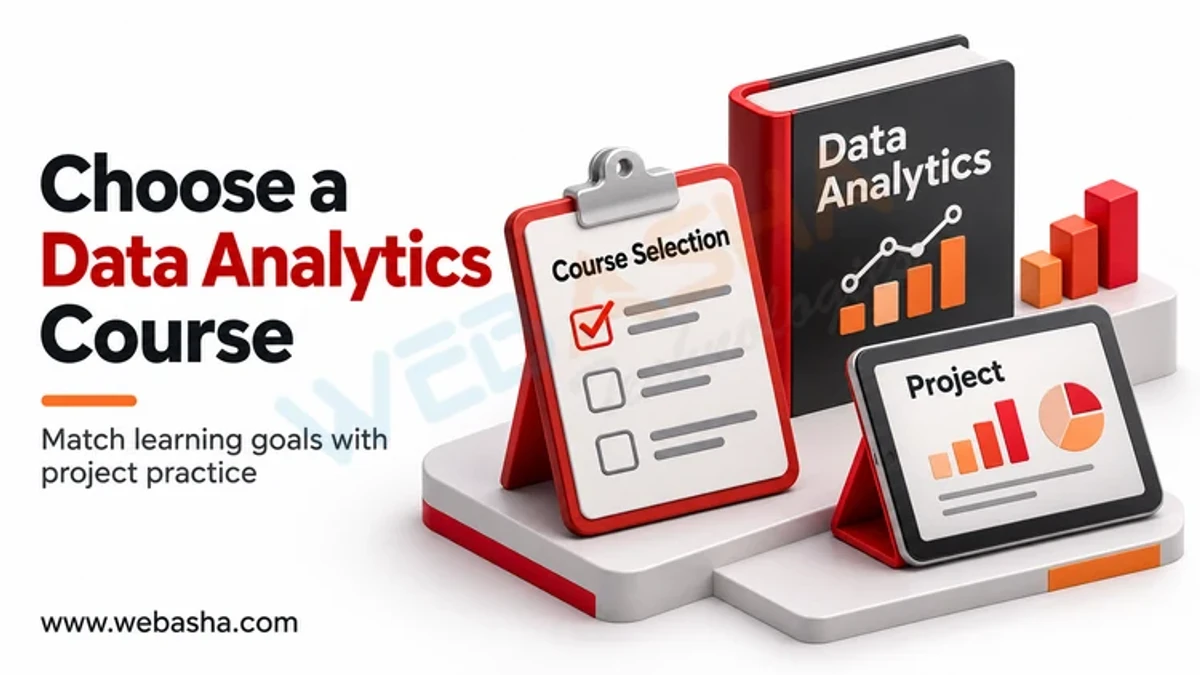
Ask what you enjoy most: talking with people about decisions, building tidy data models, writing code for pipelines, or statistics and prediction. Try a small project in each direction before committing. See our guide to business analytics careers and training and the overview of data analytics career opportunities. To plan your next step, ask about data analytics career training.
References
Frequently Asked Questions
What's Your Reaction?
 Like
0
 Dislike
0
 Love
0
 Funny
0
 Wow
0
 Sad
0
 Angry
0

Vaishnavi is a skilled tech professional at the Ethical Hacking Training Institute in Pune, responsible for managing and optimizing the technical infrastructure that supports advanced cybersecurity education. With deep expertise in network security, backend operations, and system performance, she ensures that practical labs, online modules, and assessments run smoothly and securely. Her behind-the-scenes contributions play a vital role in delivering a seamless and secure learning experience for aspiring ethical hackers.