
Welcome!

Unlock your personalized experience.
Sign Up
Tag

AI in financial fraud Articles, Guides & Tutorials

8 posts

How AI Changes the Economics of Digital Crime

AI mostly changes the economics of digital crime rather than inventing new crimes. Official assessments from the UK NCSC, Google Threat Intelligence Group (GTIG), OpenAI and the FBI agree on a pattern: generative AI lowers the cost of writing convincing lures, translating scams, researching targets and fixing code.

AI Fraud Red Flags: How Individuals in India Can Spot and Report Them

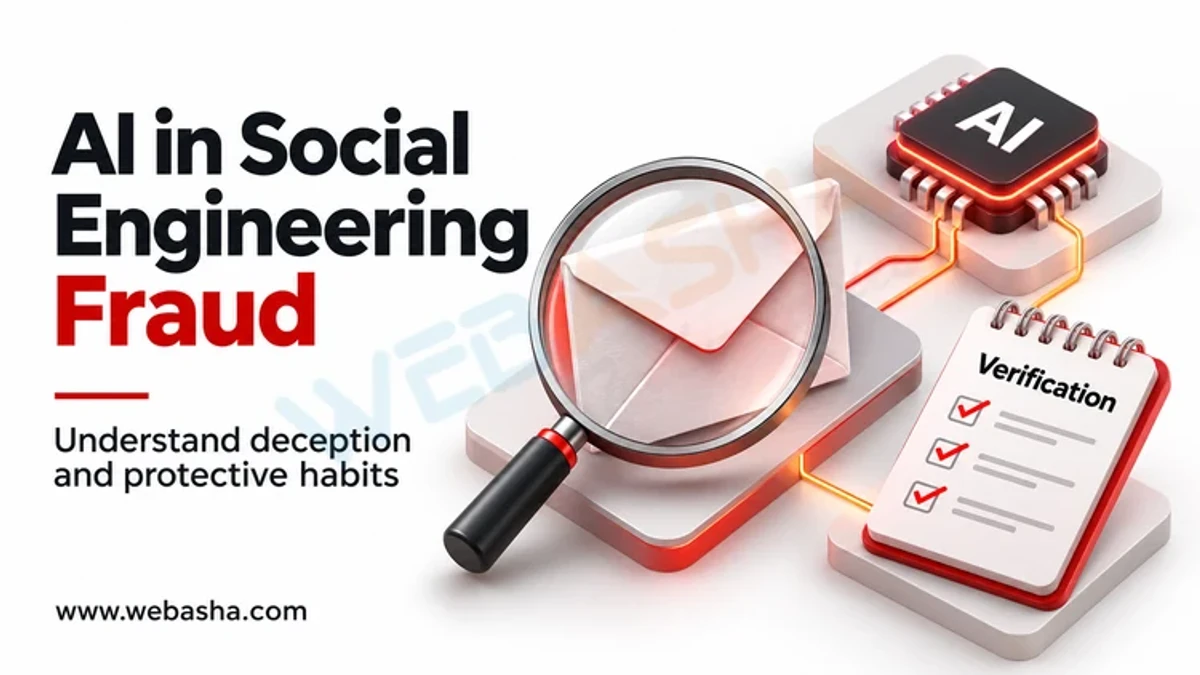
AI fraud in India usually arrives as a call, WhatsApp message, SMS or video that feels personal and urgent. Red flags include a familiar voice asking for money in a hurry, a video call where the person avoids normal conversation, messages promising high returns or easy part-time income, requests for OTPs or screen sharing, and threats of arrest or account blocking.

How Cybercriminals Are Using AI, and What You Can Do About It

Cybercriminals mostly use AI to do old crimes faster and more convincingly. The FBI warns that generative AI is used to write fluent phishing messages, create fake profiles and identity images, clone voices of relatives, and run fake video calls. OpenAI and Google report attackers using chatbots to debug malware and draft scam scripts, but they have not seen AI invent new kinds of attack.

How the Dark Web Economy Is Changing With AI

The dark web economy is becoming more like a service industry, and AI is speeding that up. Europol's IOCTA 2025 report describes stolen data as a commodity that criminals steal, sell and reuse, and says they are rapidly building large language models and other generative AI into their business models.

AI-Enabled Identity Theft: Synthetic IDs, Deepfake KYC and Defences

AI-enabled identity theft uses generative tools to create or impersonate identities convincingly. Criminals combine real stolen details with invented ones to build synthetic identities, generate fake ID document images and profile photos, and try to pass video KYC or selfie checks with deepfake images or video.

Can AI Prevent Social Engineering Scams? Limits and Human Controls

AI can reduce social engineering scams but cannot prevent them on its own. It is good at filtering bulk phishing, spotting lookalike domains, flagging unusual logins and warning users about suspicious links. It is weak where scams depend on a convincing conversation, a phone call, or a victim who willingly authorises a payment. Attackers also adapt to detectors, and deepfake detection is unreliable.

What Is FraudGPT? What It Means for You and How to Stay Safe

FraudGPT is the name of a chatbot that criminals advertised on dark web forums and Telegram channels from July 2023, according to research by Netenrich. Sellers claimed it could write phishing messages and scam pages. Researchers could not confirm how well it worked.

WormGPT and Business Email Compromise: What Reports Show

WormGPT is a name used for criminal chatbots marketed for phishing and business email compromise (BEC). Email security firm SlashNext reported it in July 2023, describing a tool sold on a cybercrime forum as a blackhat alternative to mainstream AI, reportedly based on the open GPT-J model. In SlashNext's test, it wrote a persuasive fake invoice email.