How Hackers Use AI for Illegal Activities: Real Uses and How to Defend
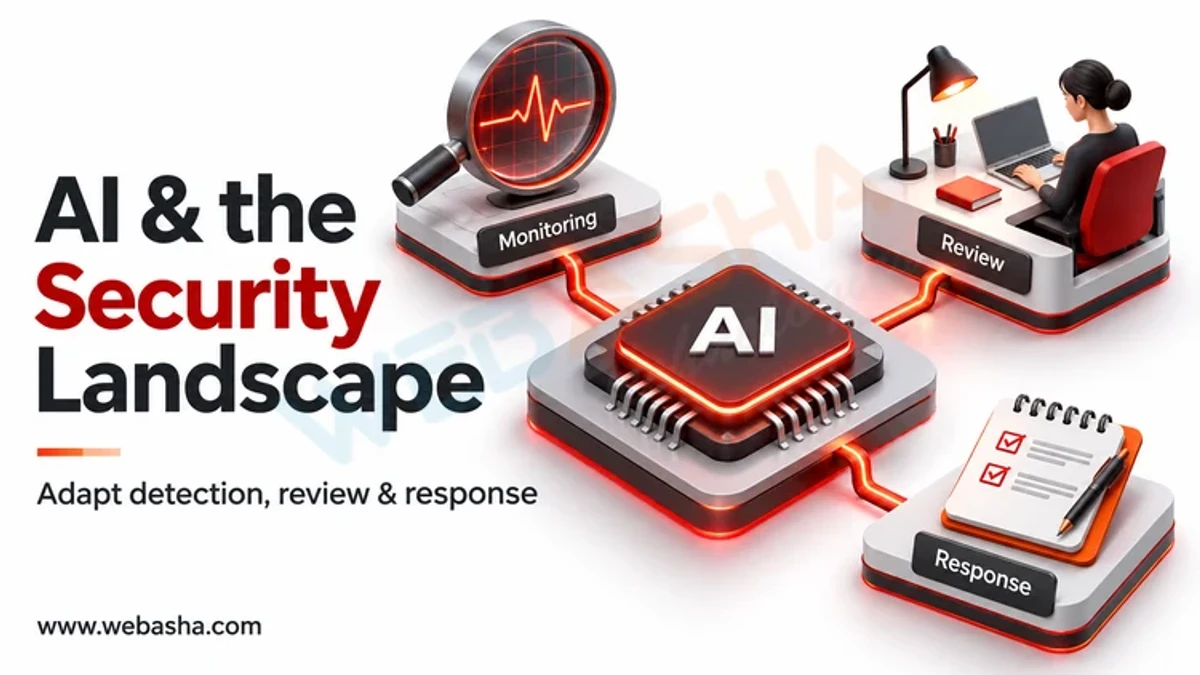
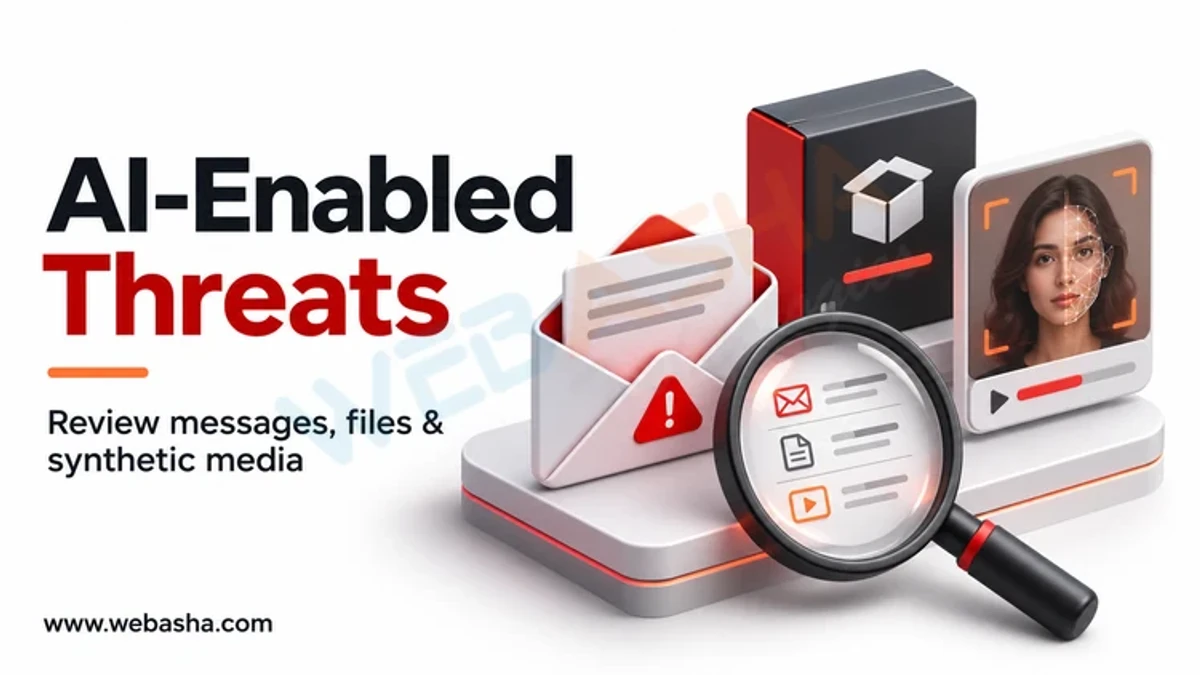
Hackers use AI mainly as a productivity tool across familiar attack stages. Google and OpenAI report attackers using chatbots to research targets and vulnerabilities, write and fix scripts, translate and polish phishing, and troubleshoot malware. Google also reported in November 2025 experimental malware that calls AI models while running, though at an early stage.
Topic: AI in Cybersecurity in Cybersecurity & Ethical Hacking · Tutorial
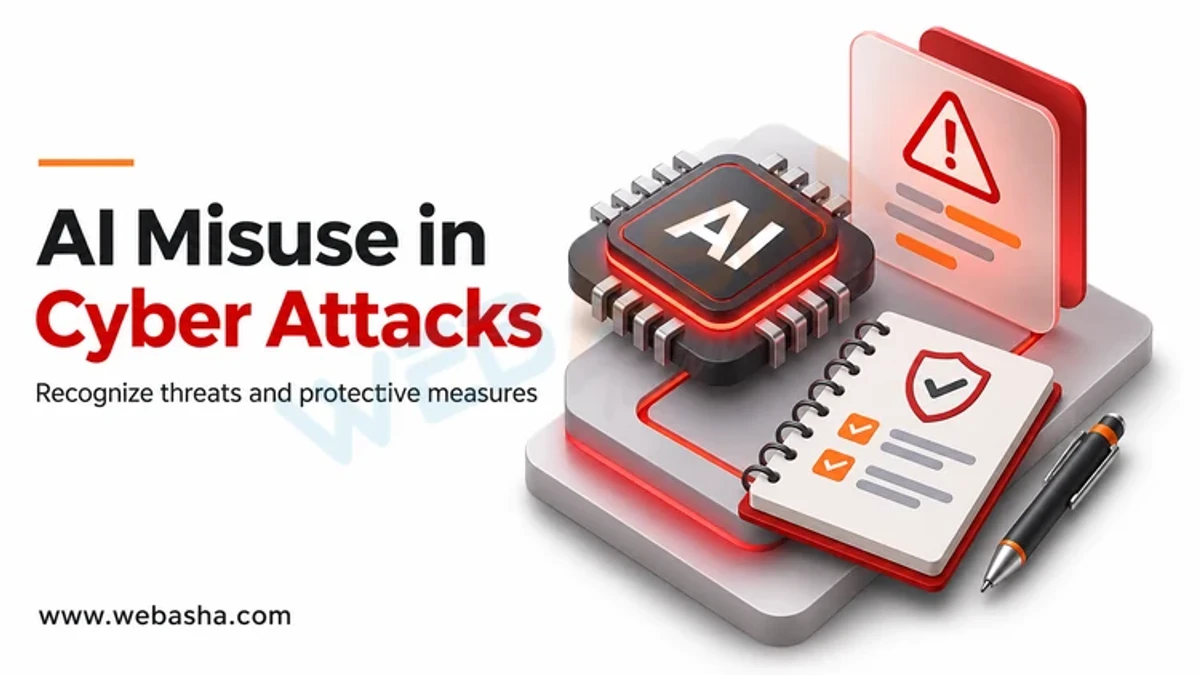
Quick answer: Hackers use AI mainly as a productivity tool across familiar attack stages. Google and OpenAI report attackers using chatbots to research targets and vulnerabilities, write and fix scripts, translate and polish phishing, and troubleshoot malware. Google also reported in November 2025 experimental malware that calls AI models while running, though at an early stage. A second category is attacks on AI itself, such as prompt injection against company chatbots. The defence is mostly known security done faster: patch exploited flaws quickly, harden identity, watch for unusual behaviour rather than fixed signatures, and secure your own AI applications against the OWASP LLM risks.
Key takeaways
- Documented misuse is mostly research, coding help, translation and phishing.
- No report reviewed here shows AI creating new attack classes.
- AI-assisted malware is emerging but experimental.
- Your own AI apps are a new target: prompt injection and data leakage.
- Faster patching and behaviour-based detection matter more than AI-specific tools.
Table of Contents
- What Do Threat Reports Actually Show?
- How Does AI Fit Into Attack Stages?
- Is AI Writing Malware Now?
- How Are AI Systems Themselves Attacked?
- How Should Security Teams Defend?
- What About Testing and the Law?
- References
What Do Threat Reports Actually Show?
Google's January 2025 analysis of government-backed actors using Gemini found them using it for research, coding help and content, without new capabilities. OpenAI's October 2025 report describes accounts trying to refine credential stealers and remote access tools, and concludes attackers add AI to old playbooks. The UK NCSC expects AI to help exploit known vulnerabilities faster by 2027, while judging fully automated advanced attacks unlikely in that period.
How Does AI Fit Into Attack Stages?
| Stage | Reported AI use | Matching defence |
|---|---|---|
| Reconnaissance | Summarising public information on targets and technologies | Reduce public exposure, monitor brand mentions |
| Initial access | Fluent, localised phishing; researching public flaws | Phishing-resistant MFA, patch KEV flaws first |
| Tooling | Debugging scripts, adding evasion features | Behaviour-based EDR, application control |
| Fraud and influence | Fake personas, scam scripts, translated content | Verification procedures, takedown requests |
For more on automation claims, see can AI automate cyber attacks.
Is AI Writing Malware Now?
Google GTIG's November 2025 report described malware that queries AI models during execution to change its own code or generate commands, and called these early or experimental. It also found underground forums selling AI tools for malware and phishing. The practical lesson: signatures alone age faster when code can change, so detection should focus on behaviour such as unusual process chains, credential access and outbound connections to unexpected services.
How Are AI Systems Themselves Attacked?
| Risk | What it means |
|---|---|
| Prompt injection | Hidden instructions in input make a chatbot ignore its rules |
| Sensitive information disclosure | The model reveals data it can access |
| Excessive agency | An AI agent with broad permissions takes harmful actions |
| Supply chain | Tampered models or plugins |
These come from the OWASP Top 10 for LLM Applications. MITRE ATLAS catalogues real adversary techniques against AI systems in the style of ATT&CK.
How Should Security Teams Defend?
- Patch internet-facing systems against known exploited flaws within days.
- Replace SMS codes with passkeys or security keys for staff and admins.
- Tune detection for behaviour, not only file hashes.
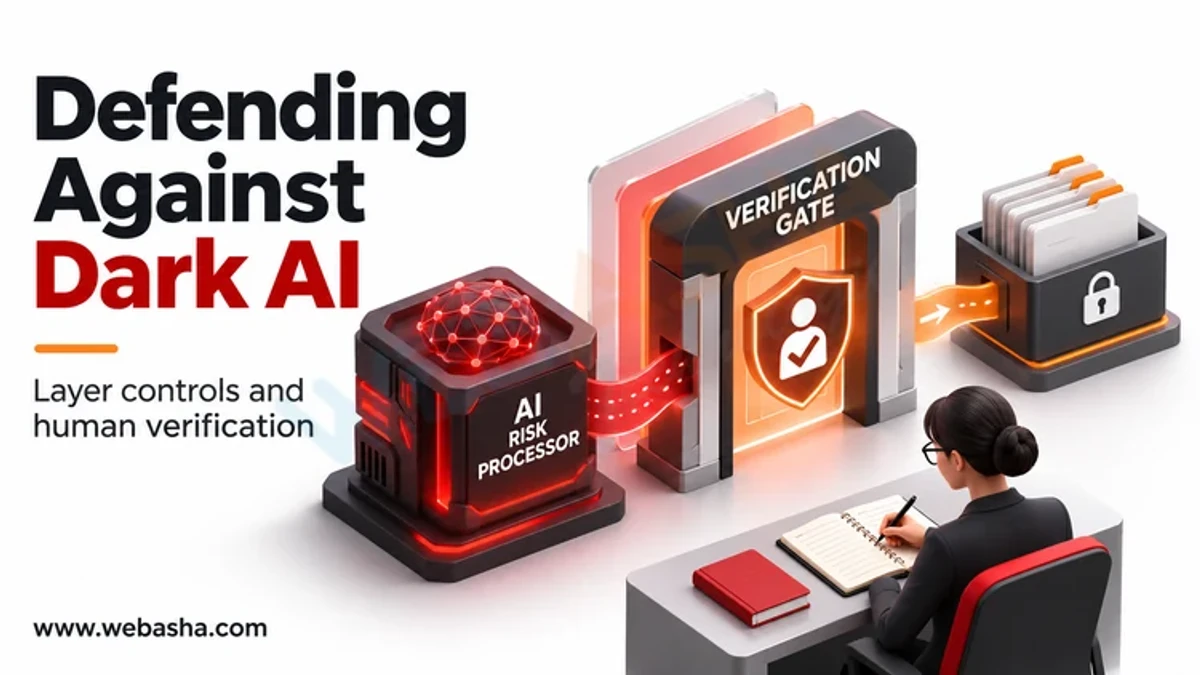
- Give AI agents least privilege and keep humans approving risky actions.
- Keep CERT-In mandated logs for 180 days and report qualifying incidents within 6 hours.
Background on the wider trend is in the dark side of AI in cybercrime.
What About Testing and the Law?
Red teaming your own AI apps or networks needs written authorisation. Unauthorised access is an offence under Sections 43 and 66 of India's IT Act 2000. Security teams can ask about AI security training.
References
Frequently Asked Questions
What's Your Reaction?
 Like
0
 Dislike
0
 Love
0
 Funny
0
 Wow
0
 Sad
0
 Angry
0

Vaishnavi is a skilled tech professional at the Ethical Hacking Training Institute in Pune, responsible for managing and optimizing the technical infrastructure that supports advanced cybersecurity education. With deep expertise in network security, backend operations, and system performance, she ensures that practical labs, online modules, and assessments run smoothly and securely. Her behind-the-scenes contributions play a vital role in delivering a seamless and secure learning experience for aspiring ethical hackers.