The Future of Cybersecurity: Emerging Threats and How to Prepare
Explore the future of cybersecurity, including emerging threats like AI-powered attacks, ransomware evolution, and IoT vulnerabilities. Learn how to prepare with advanced security technologies, enhanced incident response plans, and strategies for emerging risks such as quantum computing and cyber warfare. Stay ahead of the curve with proactive measures and continuous learning.
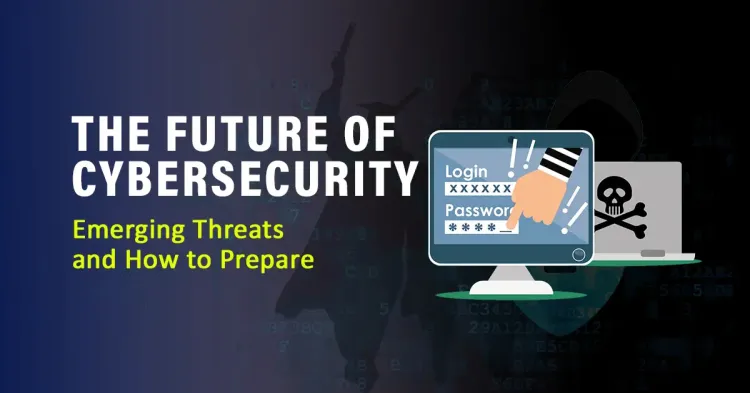
Quick answer: Future threats are shaped by new technology: AI-assisted attacks, more connected devices, cloud misconfiguration and supply chain risks. Preparation is mostly good basics done consistently: patching, strong identity controls, monitoring, backups, staff awareness and an incident response plan that is tested regularly.
Key takeaways
- AI-assisted attacks, connected devices and cloud misconfigurations are the common themes.
- Preparing means basics such as patching, MFA and backups.
- Check predictions against named reports before relying on them.
As technology changes, so do the threats facing organisations and individuals. Emerging threats use new technology, so cybersecurity professionals and organisations need to prepare for them early. Trends are expected in cybersecurity threats, and strategies exist to prepare for and reduce these risks.
The Future of Cybersecurity: Key Trends and Considerations
The future of cybersecurity is shaped by fast technological advances and changing threats. Several trends and challenges are likely to define it. Understanding them and preparing for them is necessary for safeguarding digital assets and keeping security strong.
Emerging Threats
Artificial Intelligence (AI)-Powered Attacks:
AI is giving cybercriminals more capable and more automated attacks. AI can be used to create highly convincing phishing schemes, rapidly scan for vulnerabilities, and develop adaptive malware that changes its behaviour to evade detection. To counter these threats, you need AI-driven security solutions.
- Trend: AI and machine learning are increasingly being used to enhance cybersecurity defenses, such as by improving threat detection and automating responses. However, these technologies also present new risks as cybercriminals use AI to create more sophisticated attacks.
- Consideration: Organizations should adopt AI-driven security solutions and stay informed about advancements in AI to effectively counteract emerging threats.
Quantum Computing:
Quantum computing poses a potential threat to current encryption methods. As quantum computers become more powerful, they may be able to break traditional encryption algorithms, which could compromise the security of sensitive data. Preparing for this involves investing in quantum-resistant encryption technologies and staying informed about advancements in quantum computing.
- Trend: Quantum computing promises to revolutionize computing power, which could potentially break current encryption methods. This poses a significant threat to data security.
- Consideration: Preparing for quantum computing involves investing in quantum-resistant encryption technologies and staying updated on developments in quantum computing.
Internet of Things (IoT) Vulnerabilities:
The growth of IoT devices brings new security challenges, as many of these devices lack strong security features and are often targeted by attackers. To protect against IoT-related threats, implement network segmentation, enforce strong security policies for IoT devices, and update firmware and software regularly.
- Trend: The proliferation of Internet of Things (IoT) devices increases the number of potential entry points for attackers. Many IoT devices have inadequate security features, making them vulnerable.
- Consideration: Implementing strong security measures for IoT devices, such as network segmentation and regular updates, is essential to mitigate risks.
5G Network Risks:
The rollout of 5G technology brings increased speed and connectivity but also introduces new risks. The expanded attack surface and potential for increased data traffic may lead to new vulnerabilities. Ensuring 5G networks are secure involves using advanced security protocols, monitoring network traffic for anomalies, and working closely with network providers to address potential risks.
- Trend: The deployment of 5G technology enhances connectivity and speed but also introduces new security challenges. The increased data traffic and expanded attack surface can create new vulnerabilities.
- Consideration: Securing 5G networks involves using advanced security protocols, monitoring network traffic, and collaborating with network providers.
Ransomware Evolution:
Ransomware continues to evolve with new tactics such as double extortion (where attackers not only encrypt data but also steal and threaten to release it) and the use of ransomware-as-a-service (RaaS) platforms. Defending against these threats requires a combination of regular data backups, advanced security solutions, and employee training to recognize and respond to phishing attempts.
- Trend: Ransomware attacks are becoming more sophisticated, with tactics such as double extortion (encrypting and stealing data) and ransomware-as-a-service (RaaS) platforms.
- Consideration: Organizations should focus on regular data backups, advanced security solutions, and employee training to defend against evolving ransomware threats.
Supply Chain Attacks:
Attacks targeting third-party vendors or suppliers can have widespread impacts across multiple organizations. These attacks exploit the interconnectedness of systems to gain access to sensitive data. To mitigate this risk, organizations should conduct thorough due diligence on vendors, implement strong security practices throughout the supply chain, and monitor for unusual activities.
- Trend: Attacks targeting third-party vendors or suppliers are becoming more common. These attacks exploit the interconnectedness of systems to gain access to sensitive data.
- Consideration: Conducting thorough due diligence on vendors, implementing strong security practices throughout the supply chain, and monitoring for unusual activities are critical for prevention.
Increased Regulatory Requirements
- Trend: Governments and regulatory bodies are introducing stricter cybersecurity regulations to protect sensitive data and ensure compliance.
- Consideration: Organizations must stay informed about regulatory changes and ensure their security practices meet compliance requirements to avoid penalties and protect data.
How to Prepare
-
Invest in Advanced Security Technologies: Adopt security solutions that leverage AI and machine learning to detect and respond to emerging threats. These technologies can help identify patterns and anomalies that traditional methods may miss.
-
Develop a Security Strategy: Create a security strategy that includes regular updates to software and systems, strong access controls, and incident response plans. Ensure that your strategy addresses both current and anticipated threats.
-
Promote Cybersecurity Awareness: Conduct regular training sessions for employees to keep them informed about the latest threats and best practices for security. Awareness and vigilance are key to preventing attacks.
-
Implement Robust Encryption: Use strong, up-to-date encryption methods to protect sensitive data. Stay informed about advancements in encryption technology and prepare for potential quantum threats by exploring quantum-resistant options.
-
Monitor and Adapt: Continuously monitor your network and systems for signs of suspicious activity. Stay adaptable and be ready to update your security measures as new threats emerge.
-
Collaborate with Experts: Work with cybersecurity experts and organizations to stay informed about the latest developments in the field. Collaboration can provide valuable insights and resources for improving your security posture.
Conclusion
The future of cybersecurity will be shaped by the rapid evolution of technology and the increasing sophistication of cyber threats. By understanding emerging threats and proactively preparing through advanced security measures, continuous training, and robust response strategies, organizations and individuals can better protect themselves against the evolving landscape of cyber risks. Staying informed and adaptable will be key to maintaining resilience and security in an increasingly complex digital world.
To take this further with guided labs and an instructor, see our online cyber security training.
Related reading
- Future Cybersecurity Trends And Predictions For India
- The Impact of Quantum Computing on Operating Systems | Challenges, Innovations, and Future Trends
- Top Cybersecurity Trends to Watch in 2026
Reference
For the authoritative details, see CERT-In (India).
Frequently Asked Questions
What's Your Reaction?
 Like
0
Like
0
 Dislike
0
Dislike
0
 Love
0
Love
0
 Funny
0
Funny
0
 Wow
0
Wow
0
 Sad
0
Sad
0
 Angry
0
Angry
0

I am passionate about technology, invention and big challenging tasks on my to- do list. In terms of the work I am doing also at Bunnyshell, I am most passionate about the technologies that we are using., I'm devoted to delivering content that not only informs but also inspires. Whether you need in- depth analysis pieces, educational attendants, or study- provoking opinion pieces, I draft content that resonates with tech suckers and professionals likewise.