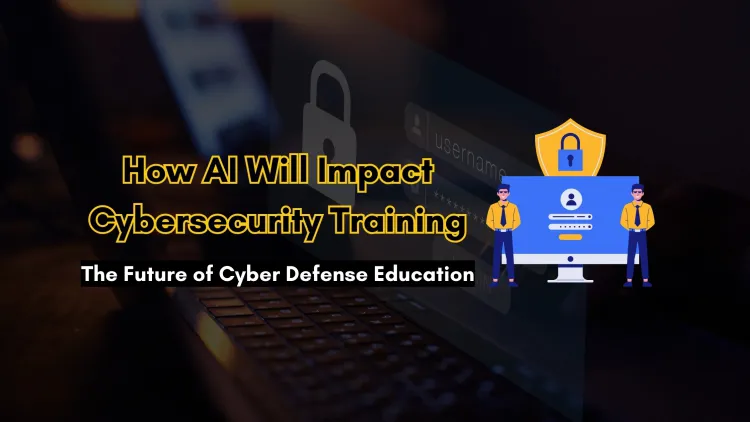
How AI Will Impact Cybersecurity Training and Education | The Future of Cyber Defense Learning
AI is transforming cybersecurity training and education, making it more efficient, interactive, and adaptive. Traditional training methods struggle to keep up with evolving cyber threats, but AI-powered simulations, personalized learning paths, and automated threat intelligence are changing the way cybersecurity professionals learn. AI-driven cyber ranges offer real-world attack scenarios, while machine learning models analyze skill gaps and create customized training modules. Additionally, AI enhances certification preparation, penetration testing exercises, and phishing awareness training. While AI in cybersecurity training offers significant benefits, challenges such as AI biases, high costs, and ethical concerns must be addressed. The future of cybersecurity education will likely feature self-learning AI assistants, AI-driven security boot camps, and advanced cyber threat simulations. Organizations and training providers must balance AI automation with human expertise.
Quick answer: AI is changing cybersecurity training by personalising learning paths, running realistic attack simulations and giving instant feedback. Students still need strong basics in networking, Linux and security concepts. Use AI tools to practise faster, but build hands-on skills in labs, because employers test what you can actually do.
Key takeaways
- Adaptive labs adjust difficulty.
- Simulations give practice.
- Check instructors.
Table of Contents
- Introduction
- What Is the Role of AI in Cybersecurity Training?
- AI-Enhanced Cybersecurity Certifications and Exams
- What Are the Challenges of AI in Cybersecurity Education?
- Future of AI in Cybersecurity Training
Introduction
As cyber threats become more sophisticated, the demand for skilled cybersecurity professionals is rising. However, traditional cybersecurity training and education methods often struggle to keep pace with the rapid evolution of cyber threats. Now Artificial Intelligence (AI) is reshaping the way security professionals learn, train, and respond to cyber threats.
AI-powered cybersecurity training offers real-time simulations, automated threat analysis, personalized learning experiences, and adaptive security education programs. With AI, both beginners and experts can enhance their skills, stay ahead of cybercriminals, and build stronger cyber defense mechanisms.
What Is the Role of AI in Cybersecurity Training?
AI is changing cybersecurity training in the following ways:
1. AI-Powered Simulations and Cyber Ranges
AI-driven cyber ranges simulate real-world cyberattacks, allowing cybersecurity trainees to respond to threats in real-time. These simulations help professionals develop hands-on experience in dealing with advanced persistent threats (APTs), phishing attacks, ransomware, and zero-day vulnerabilities.
2. Personalized Learning Paths
AI tailors cybersecurity education based on an individual's skill level, strengths, and weaknesses. Machine learning algorithms analyze performance data and provide customized training recommendations to help learners improve their skills efficiently.
3. Automated Threat Intelligence Training
AI continuously monitors cyber threats, attack patterns, and new vulnerabilities to update cybersecurity training modules. This ensures that training programs stay up-to-date with the latest cybersecurity trends.
4. AI-Driven Ethical Hacking Training
AI-powered tools can generate real-world hacking scenarios for ethical hackers to practice penetration testing, vulnerability scanning, and red teaming. This helps ethical hackers improve their offensive and defensive cybersecurity skills.
5. AI Chatbots and Virtual Instructors
AI-powered virtual assistants and chatbots provide real-time guidance, answer cybersecurity questions, and assist trainees during training programs. These AI-driven tutors can simulate cyberattacks and guide learners on how to respond effectively.
6. Gamification of Cybersecurity Training
AI integrates gamification elements such as cybersecurity challenges, leaderboards, and rewards into training programs. This enhances engagement and motivates learners to improve their cybersecurity skills.
AI-Enhanced Cybersecurity Certifications and Exams
Many cybersecurity certification bodies are integrating AI-based learning tools to make certification training more effective. AI-powered exam preparation platforms provide:
- AI-generated practice questions tailored to an individual’s weak areas.
- Automated feedback and performance analytics to track progress.
- Simulated certification exams to prepare candidates for real-world scenarios.
Certifications such as Certified Ethical Hacker (CEH), Offensive Security Certified Professional (OSCP), and Certified Information Systems Security Professional (CISSP) can benefit from AI-driven training programs.
What Are the Challenges of AI in Cybersecurity Education?
While AI brings numerous benefits to cybersecurity training, it also presents some challenges:
- High implementation costs: AI-driven training platforms require significant investment in AI infrastructure.
- AI bias in learning models: AI algorithms may contain biases that impact training accuracy.
- Ethical concerns: AI-driven hacking simulations must be controlled to prevent misuse by cybercriminals.
- Over-reliance on AI: Human expertise is still needed; AI should augment, not replace, human trainers.
Future of AI in Cybersecurity Training
The future of AI in cybersecurity training will include:
- AI-driven adaptive learning platforms that adjust to learners' progress.
- Self-learning cybersecurity AI assistants for real-time guidance.
- **]AI-powered cybersecurity boot camps with hands-on labs.
- AI-integrated blockchain security training for decentralized security solutions.
- AI and quantum computing training to prepare professionals for next-gen cyber threats.
To take this further with guided labs and an instructor, see our cyber security certification pathway.
Related reading
Frequently Asked Questions
What's Your Reaction?
 Like
0
 Dislike
0
 Love
0
 Funny
0
 Wow
0
 Sad
0
 Angry
0

Vaishnavi is a skilled tech professional at the Ethical Hacking Training Institute in Pune, responsible for managing and optimizing the technical infrastructure that supports advanced cybersecurity education. With deep expertise in network security, backend operations, and system performance, she ensures that practical labs, online modules, and assessments run smoothly and securely. Her behind-the-scenes contributions play a vital role in delivering a seamless and secure learning experience for aspiring ethical hackers.