Artificial Intelligence in Education | How AI is Changing Learning with Smart Technology, Personalized Teaching, and Automated Support
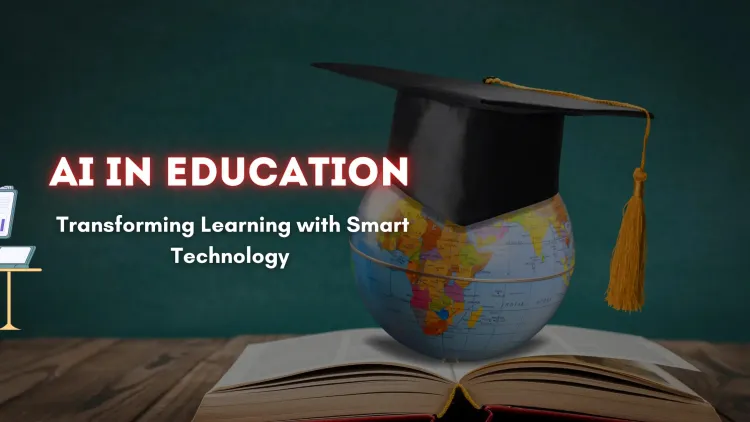
Artificial Intelligence is transforming education by making learning more personalized, efficient, and accessible. AI-powered tools such as adaptive learning platforms, virtual assistants, and automated grading systems are reshaping traditional classrooms into interactive digital learning environments. This blog explores how AI is used in personalized learning, tutoring, smart grading, and chatbots for student support. It also covers real-world applications of AI in education, the benefits and challenges of AI adoption, and its future potential. AI is enhancing engagement, reducing teacher workload, and making education accessible for all learners. By integrating AI effectively, educators can create smarter, more adaptive learning environments that cater to students’ unique needs.
Quick answer: AI in education supports personalised learning paths, automated marking, tutoring chatbots and quick feedback, which frees teachers to focus on guidance. Risks include student data privacy, bias and over-reliance on tools. It works best as support for good teachers rather than a replacement for them.
Key takeaways
- Personalised paths help when content is accurate.
- Automated marking suits objective questions.
- Teachers remain key for feedback.
Table of Contents
- Introduction
- How Is AI Changing Education?
- What Are the Real-World Applications of AI in Education?
- What Are the Key Benefits of AI in Education?
- Challenges of AI in Education
- The Future of AI in Education
Introduction
Artificial Intelligence in Education is changing the learning process by making it more personalized, efficient, and accessible. AI-powered tools, such as adaptive learning platforms, virtual assistants, and smart grading systems, are reshaping traditional classrooms into dynamic digital learning environments.
From AI-driven tutoring systems to automated grading solutions, AI is changing education by improving student engagement, assisting teachers, and making education available to students across the globe. AI in education has real-world applications, key benefits, challenges, and future potential.
How Is AI Changing Education?
1. Personalized Learning
AI-driven learning platforms analyze student performance and adapt lessons accordingly. Popular platforms like Khan Academy and Coursera use machine learning algorithms to suggest customized study plans based on students’ strengths and weaknesses.
2. AI-Powered Tutors
AI tutors help students learn complex concepts by providing real-time feedback and guidance. Socratic by Google and TutorMe use natural language processing (NLP) to assist students with problem-solving.
3. Smart Content Creation
AI can generate and organize interactive learning materials. Tools like Quillionz use AI to create quizzes, flashcards, and summaries, helping educators develop engaging content faster.
4. Automated Grading and Feedback
AI-powered grading tools like Gradescope automate the evaluation of assignments, reducing the workload of educators and ensuring fair, fast, and accurate grading.
5. AI Chatbots for Student Support
AI-powered chatbots, such as IBM Watson Assistant, help students by answering academic queries, offering course recommendations, and assisting with administrative tasks.
6. Language Translation and Accessibility
AI enhances language learning and improves accessibility for students with disabilities. Tools like Google Translate and Microsoft Translator help non-native speakers, while Microsoft’s Seeing AI assists visually impaired students.
What Are the Real-World Applications of AI in Education?
| AI Application | Real-World Example | Impact |
|---|---|---|
| Personalized Learning | Duolingo | Provides adaptive language learning lessons |
| AI Tutors | Socratic by Google | Offers instant solutions for complex problems |
| Smart Grading | Gradescope | Automates assignment evaluation |
| AI Chatbots | IBM Watson Assistant | Assists students with queries 24/7 |
| Virtual Classrooms | Google Classroom | Enables smooth online learning |
| AI in Special Education | Microsoft’s Seeing AI | Helps visually impaired students read text |
What Are the Key Benefits of AI in Education?
1. Enhancing Student Engagement
AI-powered interactive learning tools make education more engaging, leading to improved student retention and performance.
2. Reducing Teacher Workload
AI automates administrative tasks such as grading, scheduling, and student progress tracking, allowing educators to focus more on teaching.
3. Making Education Accessible
AI-powered tools bridge language barriers and support students with disabilities, ensuring inclusive learning experiences.
4. Supporting Lifelong Learning
AI-driven platforms like LinkedIn Learning and Udemy offer personalized course recommendations, enabling professionals to upskill continuously.
5. Real-Time Data Analysis
AI tracks student progress and identifies learning gaps, helping educators provide personalized support to students in need.
Challenges of AI in Education
Despite its benefits, AI in education faces several challenges:
1. High Implementation Costs
Many schools and institutions struggle with the financial investment required to integrate AI into their learning systems.
2. Data Privacy Concerns
AI systems collect sensitive student data, raising security and privacy issues that need to be addressed with strict cybersecurity measures.
3. Lack of Teacher Training
Educators need proper training to use AI tools effectively, which can be a barrier to adoption.
4. Limited Human Interaction
While AI enhances learning, over-reliance on automated systems may reduce the human connection between teachers and students.
The Future of AI in Education
As AI technology advances, the future of education will become more personalized, efficient, and inclusive. Upcoming trends include:
- AI-powered Virtual Reality (VR) Classrooms for immersive learning experiences.
- Emotion AI that detects student emotions and adjusts teaching methods accordingly.
- Blockchain Integration for secure student records and credential verification.
AI is not replacing teachers but enhancing the learning experience. By integrating AI effectively and ethically, educators can create smarter, more adaptive learning environments that cater to students’ unique needs.
The future of education is AI-driven, bridging learning gaps and opening new possibilities for students and teachers worldwide.
Related reading
- Can AI Help Beginners Learn Cybersecurity Faster? Exploring AI-Powered Cybersecurity Training and Skill Development
- How AI is Transforming Cybersecurity Training Programs | Adaptive Learning, AI-Powered Simulations, and the Future of Cyber Defense Education
- How AI Will Impact Cybersecurity Training and Education | The Future of Cyber Defense Learning
Frequently Asked Questions
What's Your Reaction?
 Like
0
 Dislike
0
 Love
0
 Funny
0
 Wow
0
 Sad
0
 Angry
0

Vaishnavi is a skilled tech professional at the Ethical Hacking Training Institute in Pune, responsible for managing and optimizing the technical infrastructure that supports advanced cybersecurity education. With deep expertise in network security, backend operations, and system performance, she ensures that practical labs, online modules, and assessments run smoothly and securely. Her behind-the-scenes contributions play a vital role in delivering a seamless and secure learning experience for aspiring ethical hackers.