
Posts

How to Customise Kali Linux for Ethical Hacking: A Practical Setup Routine
Customizing Kali Linux for penetration testing involves tailoring its tools, settings, and environment to suit specific security assessment needs. This process includes installing necessary tools, optimizing system pe...

OWASP ZAP Tutorial: A Step-by-Step First Scan on a Lab Target
Explore web application security with OWASP ZAP, the powerful open-source tool for vulnerability testing. This guide walks you through installation, testing techniques, managing alerts, and generating detailed reports...

How to Clear Logs and Temporary Files in Linux Safely and Free Disk Space
Managing logs and temporary files is an important part of maintaining a healthy Linux system. Over time, these files accumulate, consuming valuable disk space, slowing down performance, and potentially exposing sensit...

Understanding Man-in-the-Middle Attacks: A Step-by-Step Guide Using Bettercap
A Man-in-the-Middle (MITM) attack is a cyber attack where an attacker intercepts and manipulates communication between two parties, often without their knowledge. Using tools like Bettercap, an attacker can perform MI...

How to Install and Configure Red Hat Enterprise Linux AI (RHEL AI) on VMware: A Complete Guide
This guide provides a step-by-step walkthrough for installing and configuring Red Hat Enterprise Linux AI (RHEL AI) on VMware Workstation, tailored for AI and machine learning workloads. It covers everything from down...

How to Install Red Hat Enterprise Linux (RHEL) 10? RHEL 10 Installation Step by Step with Screenshots.
Red Hat Enterprise Linux (RHEL) 10 builds on the solid foundation of RHEL 9, offering enhanced performance, security, and modern hardware support. It introduces advanced features such as the Stratis file system for si...

Biometric Security: The Next Frontier in Protecting Our Digital Identities
Biometric verification is changing identity security by using unique biological traits such as fingerprints, facial recognition, iris scans, and voice patterns to confirm a person’s identity. This method offers enhanc...
Top Technologies you should know to Boost Your Cybersecurity Skills
Mastering key technologies is important for a successful cybersecurity career. Technologies like firewalls and encryption provide foundational security by controlling network traffic and protecting sensitive data. Int...
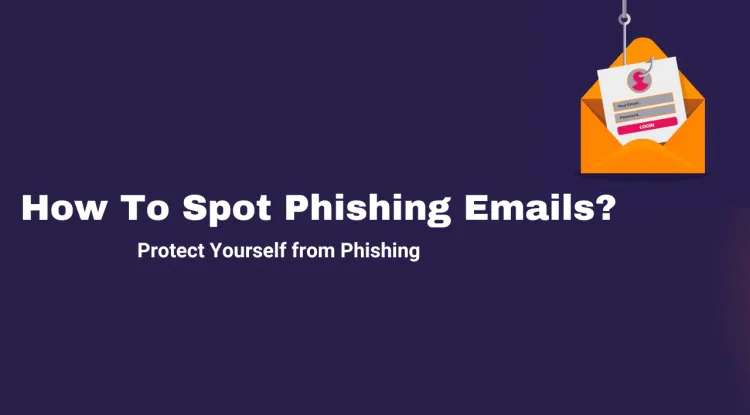
Protect Yourself from Phishing: A Simple Guide to Identifying Malicious Emails
Phishing is a type of cyberattack where criminals impersonate trusted organizations via email to steal sensitive information like passwords, credit card details, and personal data. To protect yourself, always verify t...

From Smart Homes to Industry: How to Secure the Growing IoT Ecosystem
The Internet of Things (IoT) has changed daily life by connecting devices, from smart homes to industrial systems. However, as the number of connected devices increases, so do the security risks. Many IoT devices have...
Zero Trust Security Explained: How It Works and Why It Matters
Zero Trust Architecture is quickly becoming the future of network security. By never trusting any user, device, or connection by default, and continuously verifying them, organizations can prevent security breaches, i...

Best Antivirus Software in 2026: How to Choose Without Trusting Blind Rankings
Choosing the right antivirus software is critical to protecting your devices and personal information from cyberattacks. The top 10 antivirus programs listed here, such as Norton 360, Bitdefender, and McAfee, offer fu...

The Ultimate Networking Guide in Cybersecurity
This post covered the critical aspects of networking in cybersecurity: foundational concepts like IP addressing, routing, and firewalls, as well as important protocols like SSL/TLS, IPSec, and DNSSEC. We also covered ...

How to Become a Master in Linux? The Open-Source Revolution
Linux is an open-source, Unix-like operating system known for its stability, security, and flexibility. Created by Linus Torvalds in 1991, it has become a widely used OS, particularly in servers, development environme...
Digital Forensics: The Backbone of Cybersecurity
A Digital Forensic Investigator plays a critical role in cybersecurity by collecting, analyzing, and preserving digital evidence from electronic devices to uncover the truth behind cybercrimes. They are responsible fo...
Understanding Nmap for Vulnerability Scanning
Nmap (Network Mapper) is a powerful, open-source tool used for network discovery and vulnerability scanning. It helps IT professionals and cybersecurity experts identify devices on a network, check open ports, and det...