Welcome!

Unlock your personalized experience.
Sign Up
Tag

AI and quantum computing Articles, Guides & Tutorials

3 posts

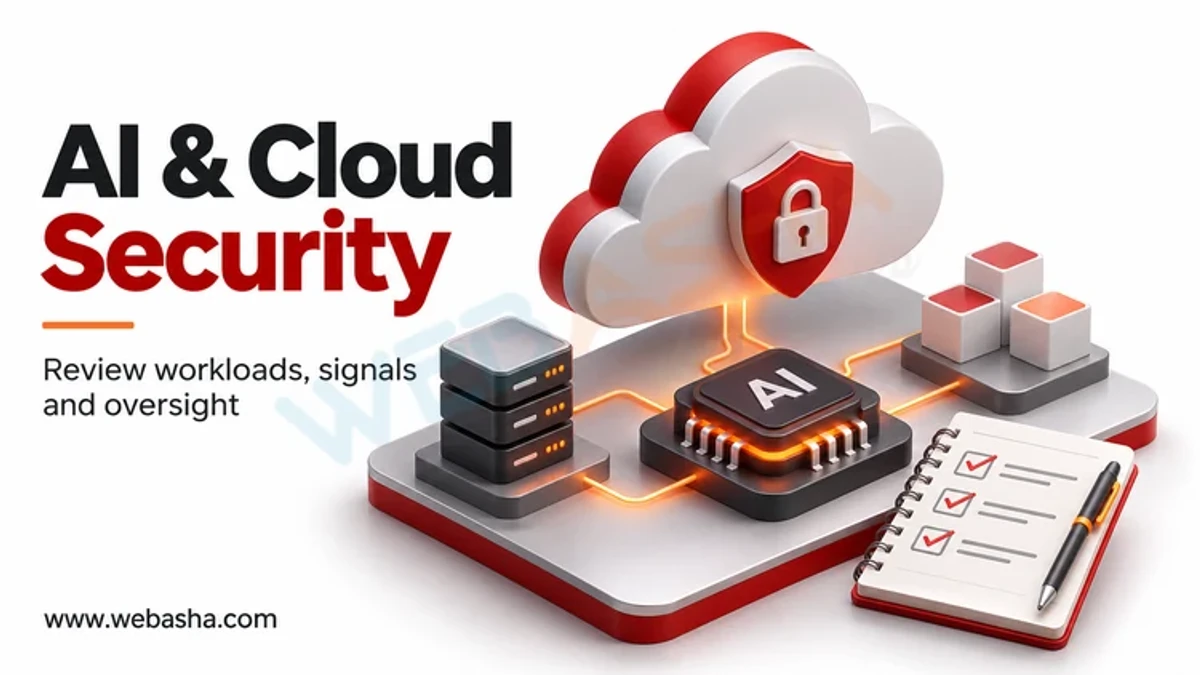
The Future of AI in Cloud Security |Trends, Challenges, and Innovations

As cloud adoption increases, so does the need for advanced security measures. Artificial Intelligence (AI) is changing cloud security by enabling automated threat detection, predictive analytics, and real-time incident response. AI-powered cloud security solutions are helping businesses detect and prevent cyber threats, improve access control, ensure compliance, and enhance overall cybersecurity resilience. However, AI-driven security also introduces challenges, such as bias in AI models, adversarial AI attacks, and ethical concerns regarding privacy. The future of AI in cloud security will see advancements in self-healing security systems, AI-enhanced Zero Trust architecture, AI-driven blockchain security, and AI-powered insider threat detection. Organizations must prepare by adopting AI-driven security tools, investing in cybersecurity research, and implementing Zero Trust models. While AI strengthens cloud security, human oversight and governance remain important.
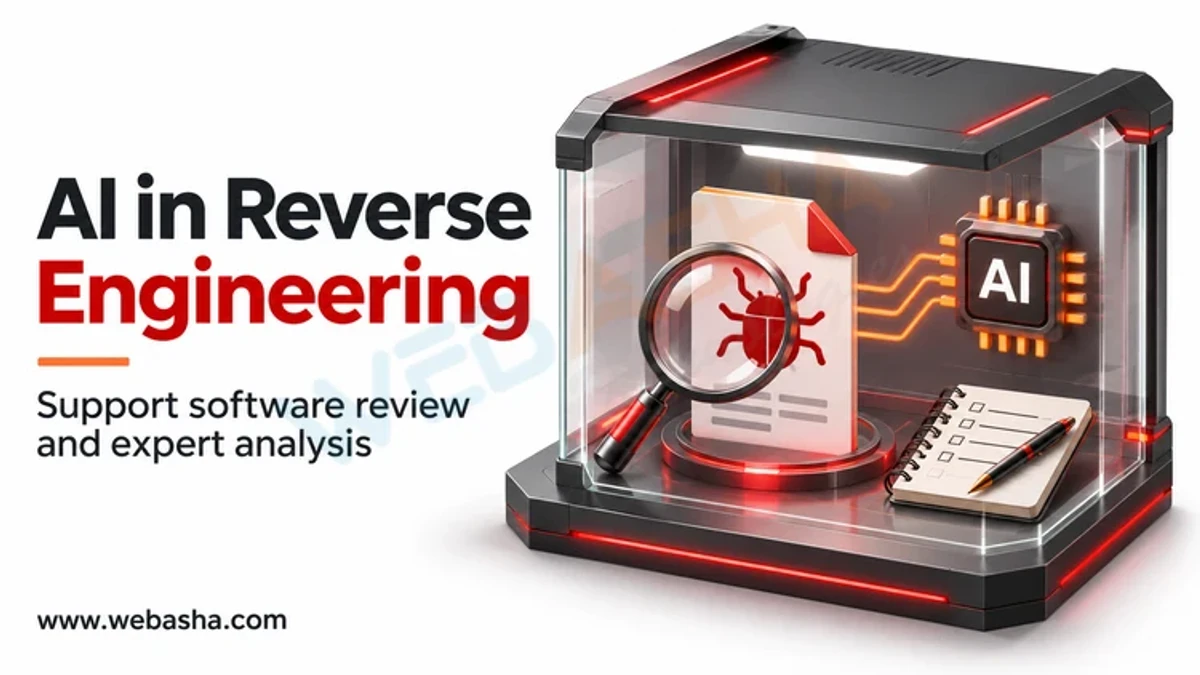

AI in Reverse Engineering: How It Helps Malware Analysis and Software Auditing, and Where It Falls Short

Artificial Intelligence (AI) is changing reverse engineering by automating complex tasks such as malware detection, vulnerability assessment, binary analysis, and debugging. AI-driven decompilers, machine learning models, and neural networks help cybersecurity professionals analyze obfuscated code, detect software vulnerabilities, and enhance malware classification faster than traditional methods. AI is also impacting hardware reverse engineering, enabling automated circuit diagram reconstruction, chip layout analysis, and counterfeit detection. Despite its advantages, AI-powered reverse engineering faces challenges such as data availability, interpretability, and ethical concerns. As AI continues to evolve, it will play a critical role in automated cybersecurity defense, predictive patching, and even quantum computing-based reverse engineering.

How AI is Changing Ethical Hacking | Automating Security Testing, Threat Detection, and Cyber Defense

AI is transforming ethical hacking and cybersecurity by automating vulnerability scanning, penetration testing, and threat intelligence. Traditional manual security testing is being replaced by AI-driven systems that detect threats in real time, adapt to new attack methods, and improve cybersecurity defenses. AI enhances social engineering detection, malware analysis, and OSINT (Open-Source Intelligence) gathering, making security audits more efficient. However, cybercriminals are also using AI for advanced attacks, raising concerns about its ethical and legal implications. The future of AI in ethical hacking involves autonomous penetration testing, AI-powered zero-day vulnerability detection, and AI vs. AI cybersecurity battles, requiring responsible implementation to ensure cybersecurity remains a step ahead of evolving threats.