Welcome!

Unlock your personalized experience.
Sign Up
Tag

Tag: AI in transportation

2 posts

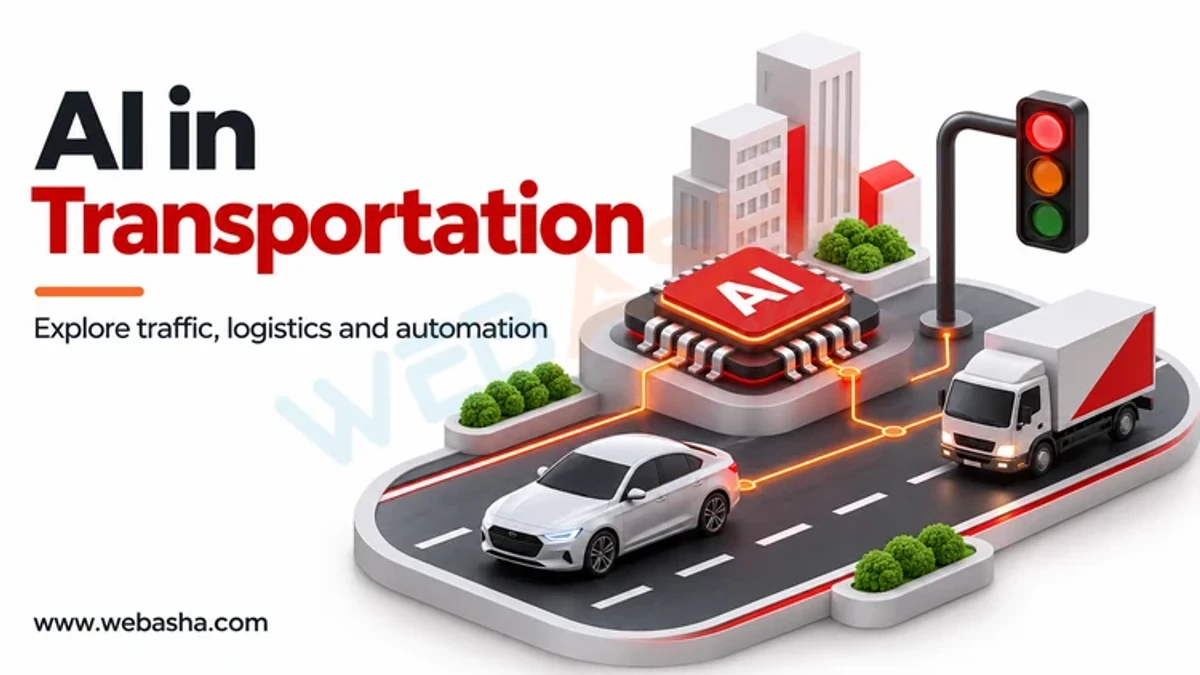
How AI Is Used in Transportation: Traffic, Logistics and Self-Driving Vehicles

Artificial Intelligence is changing transportation by making mobility safer, faster, and more efficient. AI is being used in autonomous vehicles, smart traffic management, logistics, public transport, and aviation to optimize operations and improve user experiences. Self-driving cars use AI to navigate roads, AI-powered traffic lights reduce congestion, and predictive maintenance systems prevent mechanical failures in transport fleets. Real-world applications include Tesla’s Autopilot for self-driving, AI-based traffic management in Singapore, and Amazon’s AI-powered logistics systems. Despite the benefits, challenges such as safety risks, cybersecurity threats, and job displacement must be addressed. The future of AI in transportation includes hyperloop systems, electric self-driving vehicles, and AI-driven urban planning. This blog covers AI’s role in modern transportation, its impact, and future trends.
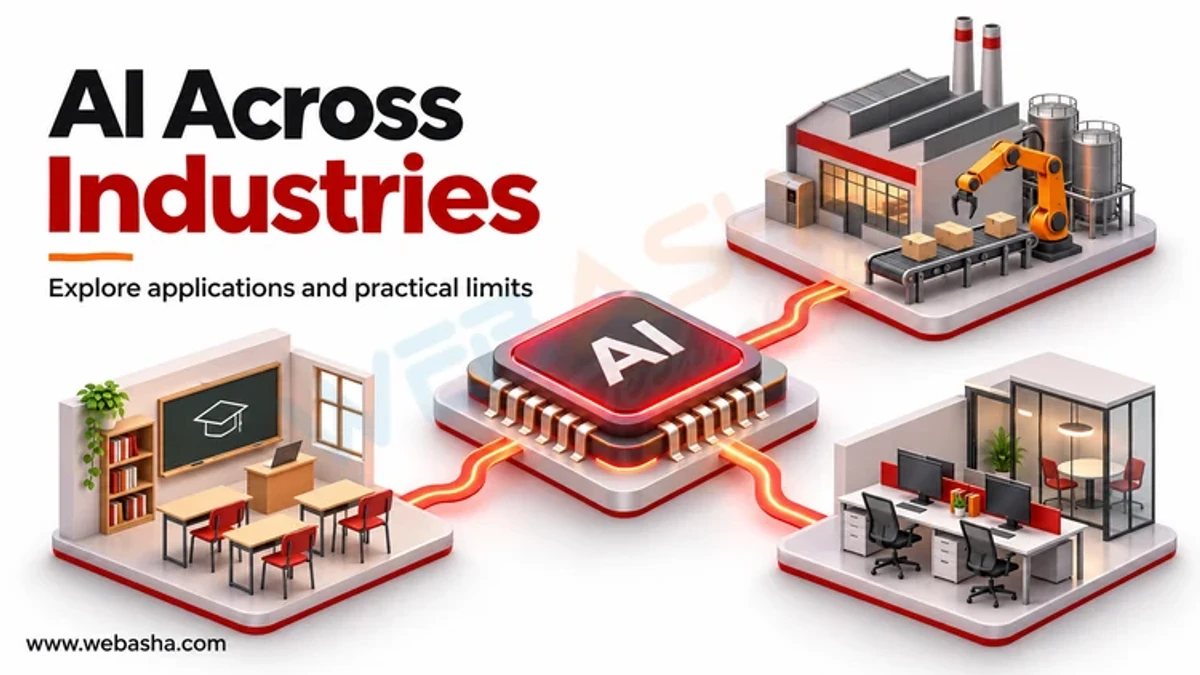

How AI is Transforming Industries: Real-World Applications and Future Impact

Artificial Intelligence (AI) is changing multiple industries, bringing automation, efficiency, and innovation to various sectors such as healthcare, finance, manufacturing, retail, education, cybersecurity, and transportation. AI-powered technologies like machine learning, robotics, natural language processing, and predictive analytics are helping businesses improve customer experiences, enhance security, and optimize operations. In healthcare, AI assists in diagnosing diseases and developing new drugs, while in finance, AI detects fraud and automates trading. AI-driven automation in manufacturing increases productivity, while in retail, AI personalizes shopping experiences. Cybersecurity benefits from AI’s ability to detect and prevent cyber threats, and transportation sees improvements in autonomous vehicles and logistics. Despite its many benefits, AI adoption comes with challenges, including high costs, ethical concerns, workforce displacement, and data privacy risks.