The Future of Cybersecurity in a Cloud-First World
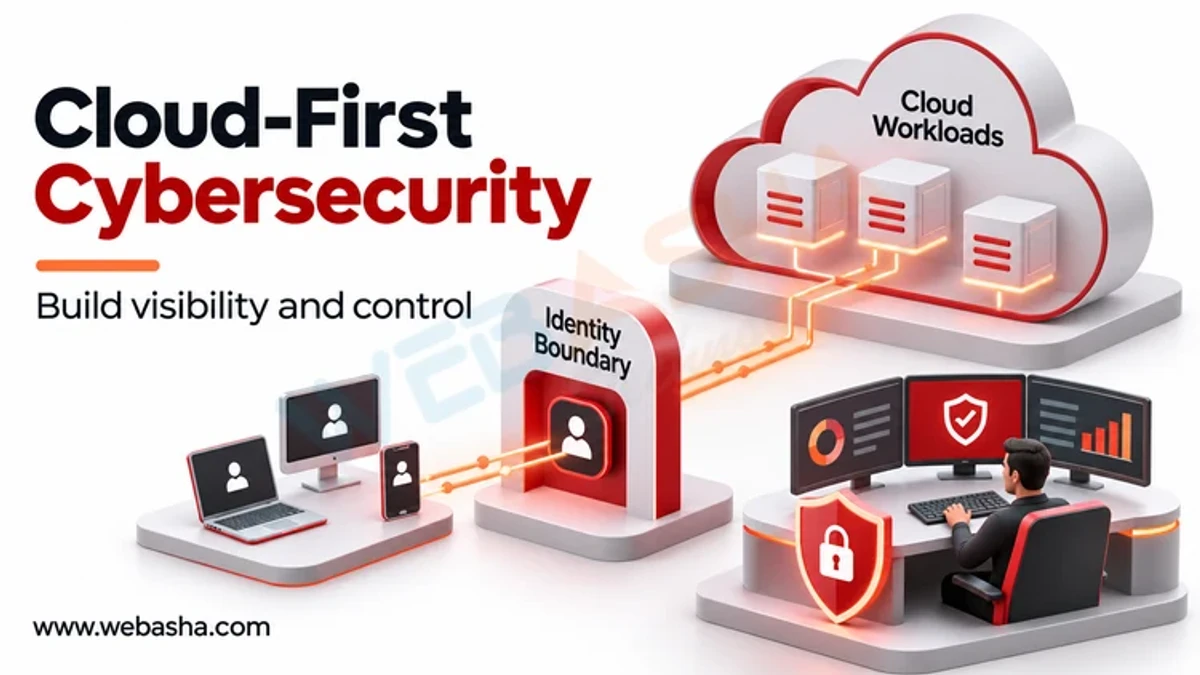
As organisations move most workloads to cloud and SaaS, cybersecurity is shifting from protecting a network perimeter to protecting identities, data and configurations wherever they are.

4 posts
As organisations move most workloads to cloud and SaaS, cybersecurity is shifting from protecting a network perimeter to protecting identities, data and configurations wherever they are.
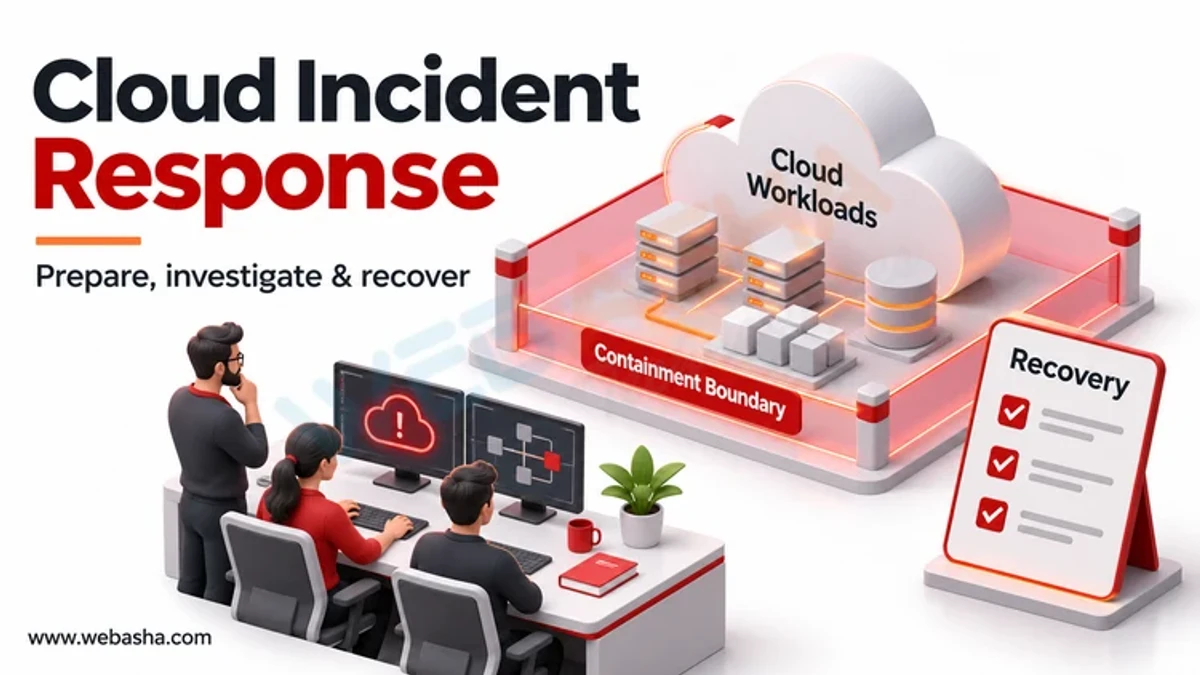
A cloud incident response checklist covers twelve steps: prepare roles and access in advance, make sure logging is on, detect and triage alerts, scope affected accounts and resources, contain compromised identities first, then isolate affected resources, preserve evidence such as logs and disk snapshots, remove the attacker's access and persistence, recover from clean sources, notify regulators and customers on…
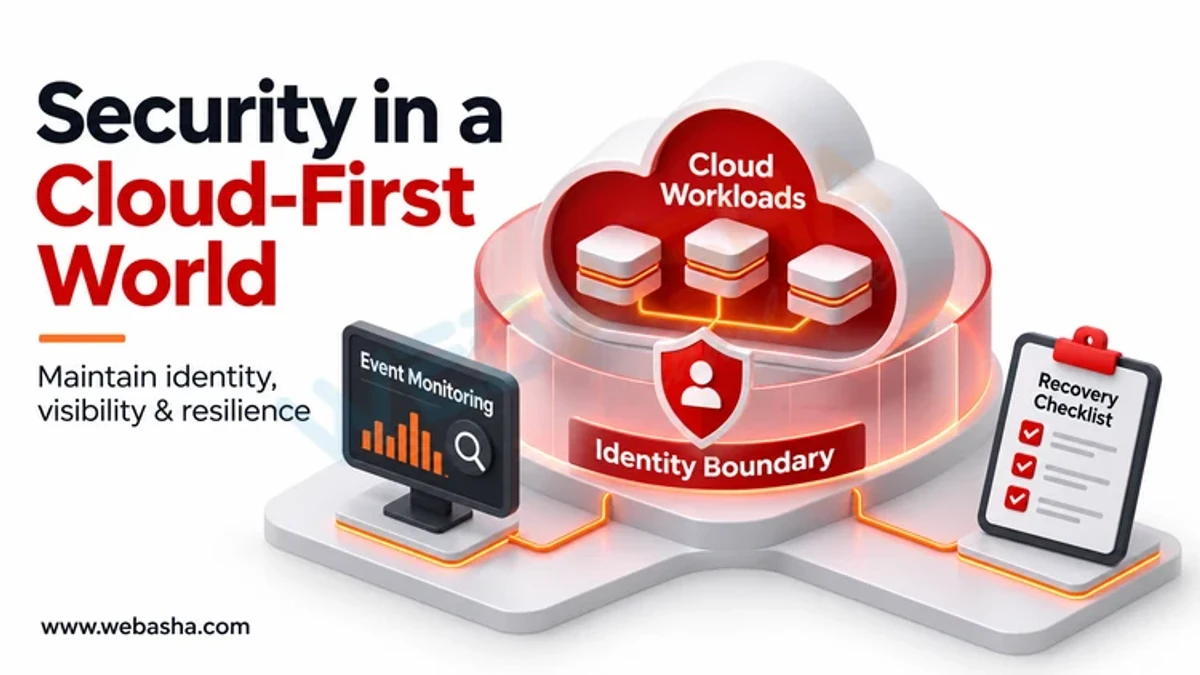
In a cloud-first world, security shifts from defending a network perimeter to protecting identities, configurations, data and workloads spread across cloud providers and SaaS apps. The biggest risks are stolen credentials, misconfigured cloud services and over-privileged access rather than attacks on the providers' own infrastructure.
Cloud VAPT interviews test whether you can connect customer-controlled settings to actual permissions and assessment boundaries. Start with the account, service, identity and approved methods. A public-access check cannot establish that every authenticated role has appropriate access. The supplied review below finds an unintended resource-policy grant to a build identity.