
Welcome!

Unlock your personalized experience.
Sign Up
Tag

Secure DNS Articles, Guides & Tutorials

2 posts

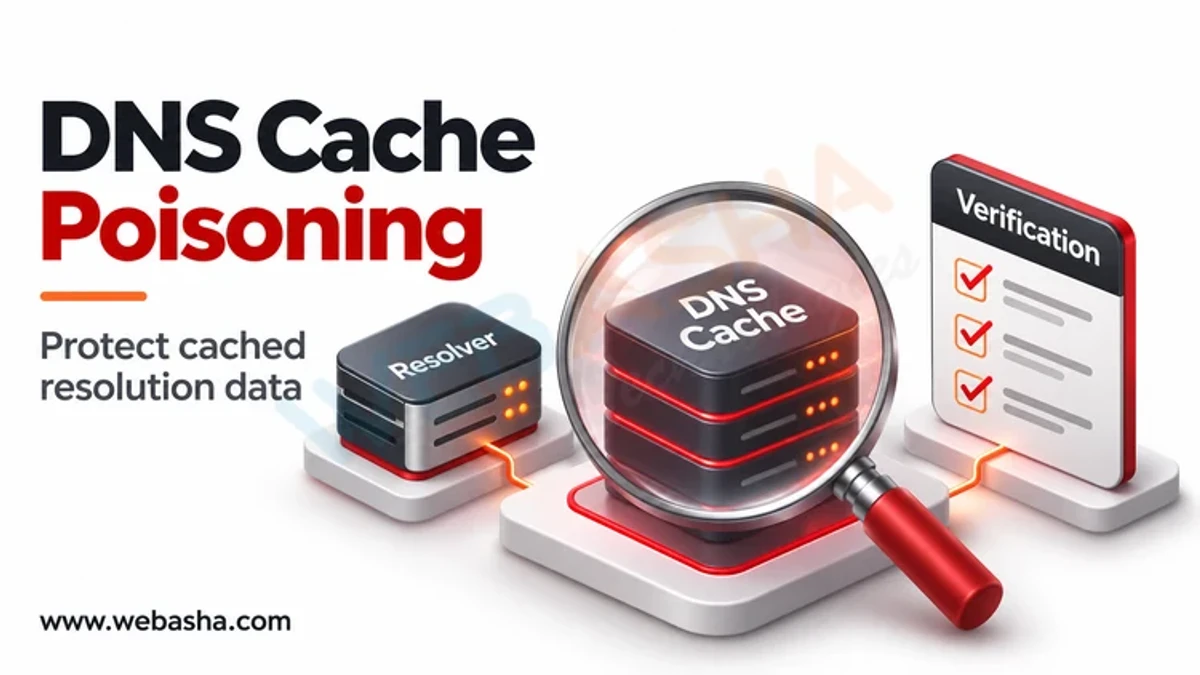
DNS Poisoning Attack Explained: How It Works, Risks and Prevention

DNS poisoning, also called DNS spoofing, inserts false records into a resolver's cache so a real domain name points to an attacker's IP address. Users land on fake sites without noticing. Defences include DNSSEC, patched resolvers, encrypted DNS, restricted recursion and monitoring for unexpected DNS responses.
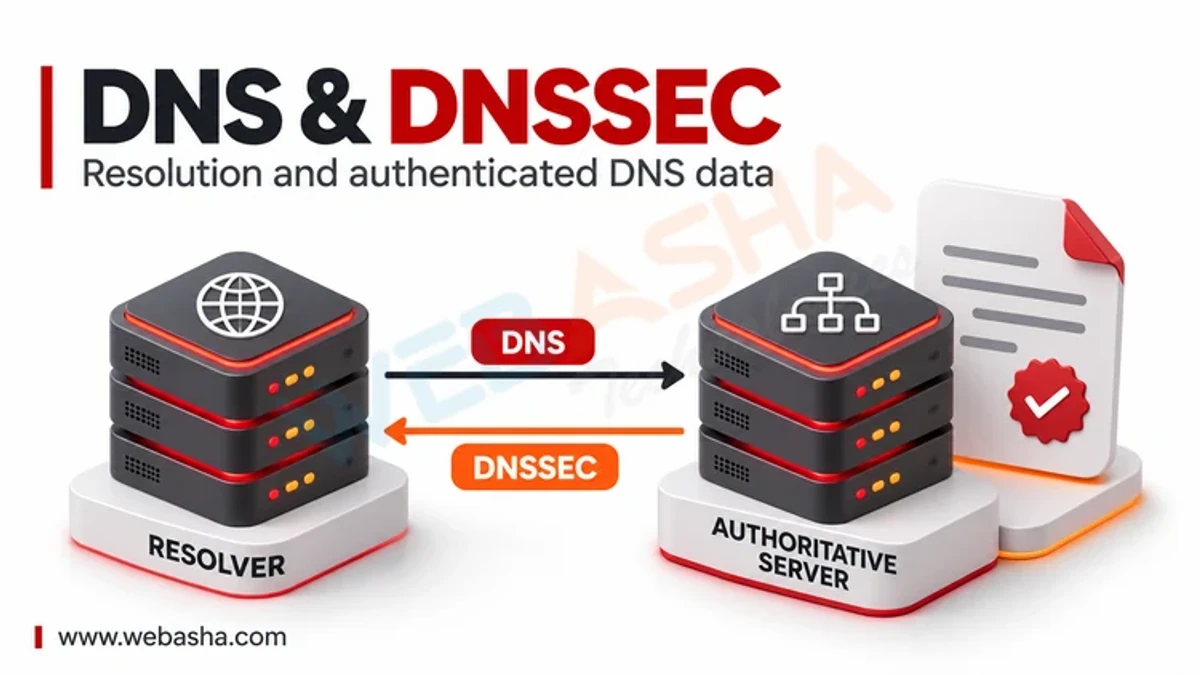

What Is DNS and DNSSEC? How DNS Works and Why DNSSEC Matters

DNS is the internet's phonebook: it translates domain names into IP addresses through a hierarchy of root, TLD and domain servers. DNSSEC adds digital signatures to DNS records so resolvers can verify that answers are genuine and unaltered. It protects against spoofing and cache poisoning but does not encrypt DNS traffic.