TCP/IP Model Explained: Layers, Protocols and a Packet Walk-Through
The TCP/IP model is the four-layer framework the internet is built on.

3 posts
The TCP/IP model is the four-layer framework the internet is built on.
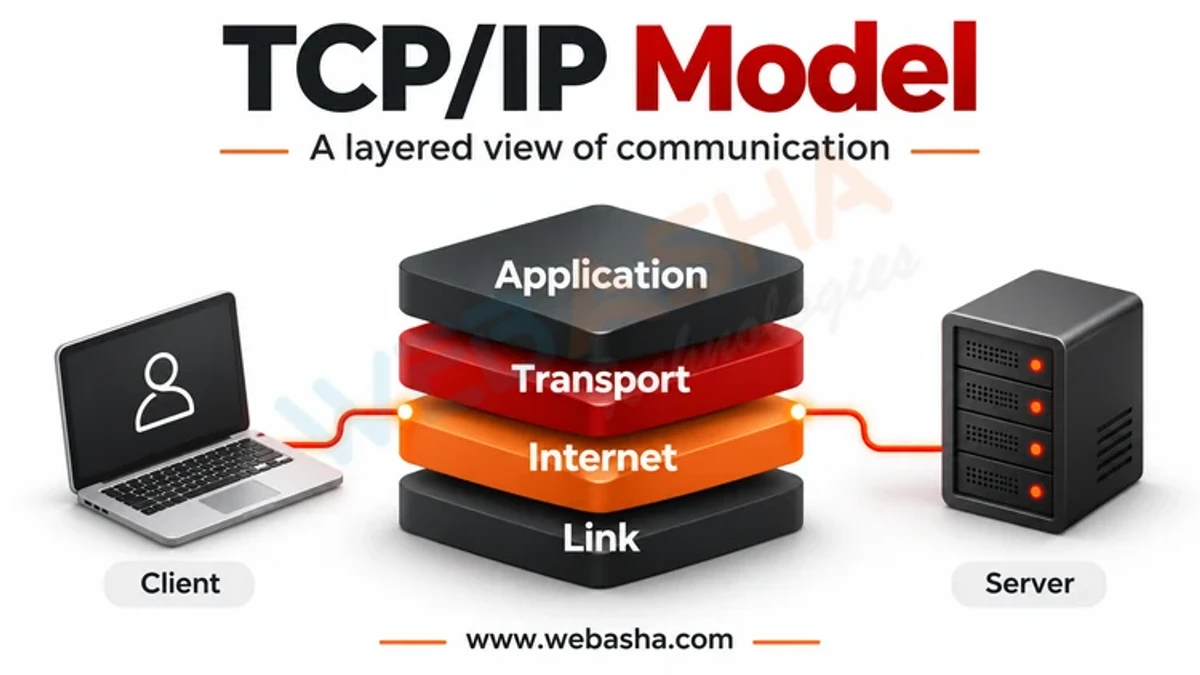
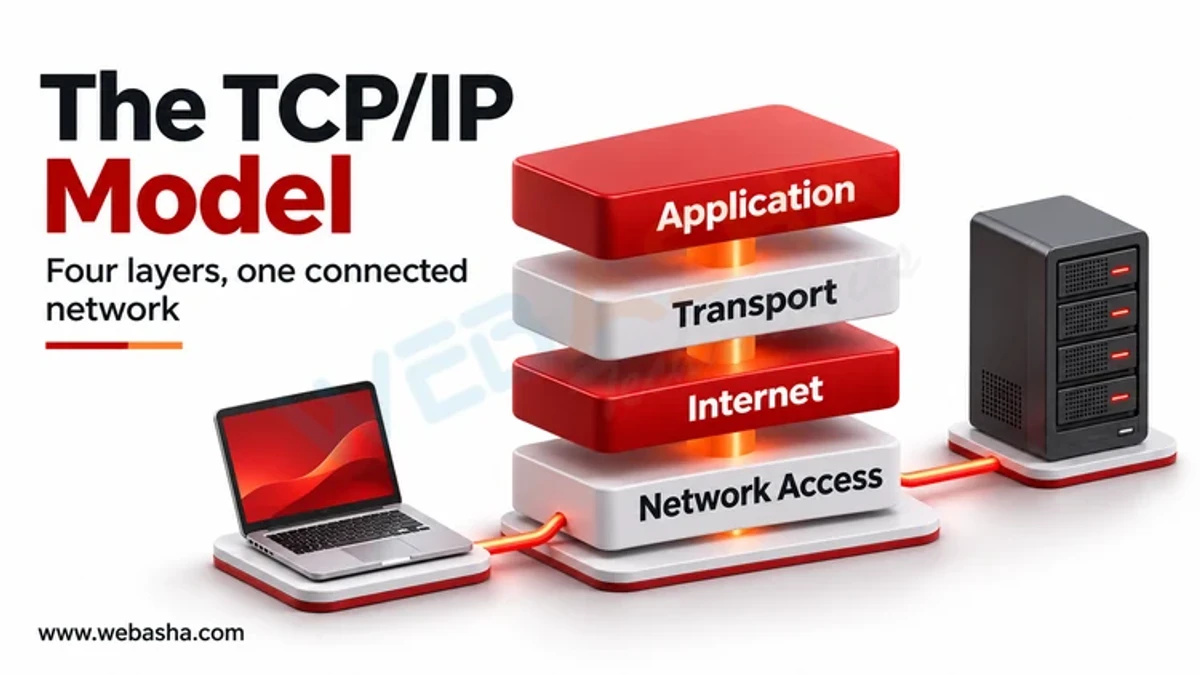
The TCP/IP model is the four-layer framework the internet actually runs on. The link layer moves frames on the local network (Ethernet, Wi-Fi); the internet layer addresses and routes packets between networks (IPv4, IPv6); the transport layer delivers data between programs on each host (TCP for reliable streams, UDP for lightweight datagrams); and the application layer provides services such as HTTP, DNS and email.
Every network engineer needs solid TCP/IP fundamentals and subnetting, switching (VLANs, spanning tree), routing (static, OSPF, BGP basics), wireless, and the ability to troubleshoot methodically using tools like ping, traceroute and Wireshark. Modern roles add network security (device hardening, firewalls, VPNs), cloud networking in AWS or Azure, and automation with Python, Ansible and APIs.