Women in Ethical Hacking in India: How to Start, What to Learn and How to Verify Public Profiles
Discover the top 10 most famous female ethical hackers in India. Learn about their achievements, contributions to cybersecurity, and how they are shaping the future of ethical hacking. Explore their backgrounds, notable projects, and impact on the global cybersecurity landscape. Top female ethical hackers in India, famous women hackers India, female cybersecurity experts India, leading female ethical hackers, women in ethical hacking India, top women in cybersecurity India, female cybersecurity professionals India, ethical hacking profiles India, successful women hackers India, prominent female hackers India
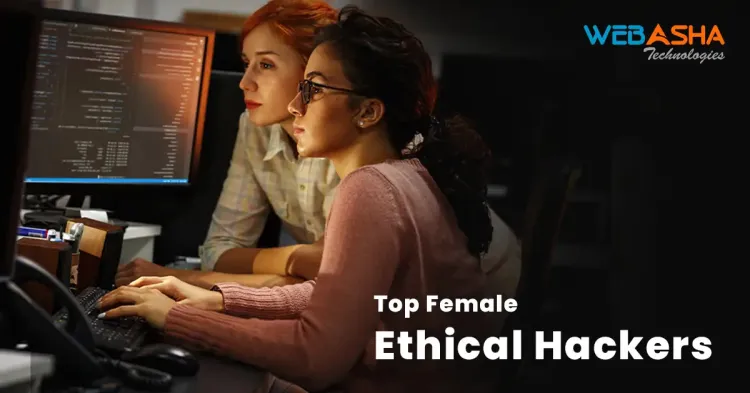
Quick answer: Women are active across Indian ethical hacking as penetration testers, SOC analysts, researchers and trainers. The route in is the same for everyone: learn networking and Linux, practise on legal lab targets, earn a recognised certification such as CEH, and build a public record of work. Check any name you read against a public source.
Key takeaways
- There is no official ranking of Indian women ethical hackers, so be careful with any "top 10" list, including old ones.
- The entry path is networking, Linux, web security basics, lab practice and a certification such as CEH or CompTIA Security+.
- Roles include penetration tester, SOC analyst, vulnerability analyst, malware analyst and security trainer.
- Bug bounty and CTF results are public and checkable, which makes them a fair way to build a record.
- Legal practice needs written authorisation under the IT Act, and lab targets only.
Is there a verified list of the top women ethical hackers in India?
No. Nobody maintains an official ranking, and "most famous" depends on who is counting. An earlier version of this page carried a list of ten names. We could not verify each claim or confirm that each person agreed to be profiled, so we removed it. Naming private individuals without a public source is unfair to them and risky for readers.
If you read a list elsewhere, check three things before you trust it: a talk, paper or advisory published under that person's name; a public profile run by the person; and a claim that can be matched to an event, a CVE credit or a company page.
What do women in ethical hacking actually do?
| Role | Main work |
|---|---|
| Penetration tester | Tests applications and networks with written permission, then reports and explains fixes |
| SOC analyst | Watches alerts, investigates incidents and escalates real threats |
| Vulnerability analyst | Scans, triages and tracks fixes for known weaknesses |
| Malware or threat analyst | Studies samples and attacker behaviour to write detections |
| Security researcher | Finds new flaws and reports them responsibly |
| Trainer or community lead | Teaches, mentors and runs study groups and events |
How do you start an ethical hacking career?
- Learn the base. TCP/IP, DNS, HTTP and the Linux command line. Our guide to famous Indian ethical hackers shows how varied the starting points have been.
- Build a home lab. Use virtual machines you own, or deliberately vulnerable targets such as DVWA, Metasploitable or HackTheBox. Never practise on a real site you do not own.
- Learn the web basics. Work through the OWASP Top 10 and the free PortSwigger Web Security Academy.
- Practise on public labs and CTFs. Results are visible and give you something to show.
- Take a recognised certification. CEH v13 AI covers the full discipline; CEH Practical tests it hands-on. Check the current details on the EC-Council CEH page.
- Write up your work. A short blog post or GitHub repository per lab shows how you think.
Where can women find a community?
Look for local security meetups, college cyber clubs, CTF teams and online communities. Our post on women in cybersecurity and AI in India covers diversity and leadership. Try a few and stay with the ones where you learn and are treated well. Our post on the top ethical hackers in the world is a useful reading list for technique.
Is hacking legal in India?
Only with permission. Unauthorised access to a computer system is an offence under the Information Technology Act, 2000. Testing needs a written scope and authorisation from the owner. If you find a flaw by accident, report it through the organisation's disclosure channel or to CERT-In.
Common mistakes
- Jumping to tools before understanding networking.
- Collecting certificates without lab practice.
- Testing a real website "just to see".
- Trusting a ranking list without checking its sources.
Next steps
Next steps: if you want a guided route into the field, see our CEH v13 AI course, and read women in cybersecurity and AI in India.
Related reading
Frequently Asked Questions
What's Your Reaction?
 Like
0
Like
0
 Dislike
0
Dislike
0
 Love
0
Love
0
 Funny
0
Funny
0
 Wow
0
Wow
0
 Sad
0
Sad
0
 Angry
0
Angry
0

With a passion for staying on the cutting edge of technology trends, I am dedicated to delivering content that not only informs but also inspires. Whether you need in-depth analysis pieces, informative guides, or thought-provoking opinion pieces, I craft content that resonates with tech enthusiasts and professionals alike.