
5 Common Cybersecurity Mistakes and How to Avoid Them in 2026
Discover the 5 most common cybersecurity mistakes that leave you vulnerable to attacks and learn how to avoid them. From weak passwords to ignoring phishing threats, this guide offers practical tips to enhance your cybersecurity and protect your data.
Quick answer: Common mistakes include weak or reused passwords, skipping software updates, clicking on phishing links, not using multi-factor authentication and neglecting backups. Fix them with a password manager, automatic updates, a habit of checking links before clicking, MFA on important accounts and regular offline or cloud backups.
Key takeaways
- Weak or reused passwords are still the most common cause of account compromise.
- Skipping updates leaves known vulnerabilities open.
- Use a password manager and turn on MFA on email first.
In today’s digital age, cybersecurity is more critical than ever. Despite the increasing awareness of cyber threats, many individuals and businesses still make common mistakes that leave them vulnerable to attacks. Understanding these mistakes and learning how to avoid them can significantly enhance your cybersecurity posture. Here are five common cybersecurity mistakes and tips on how to avoid them.
1. Weak Passwords and Poor Password Management
One of the most common cybersecurity mistakes is using weak passwords or reusing the same password across multiple accounts. A weak password is like leaving your front door unlocked, it’s an open invitation to cybercriminals.
How to Avoid It:
- Use strong, unique passwords for each account. A strong password typically includes a mix of upper and lowercase letters, numbers, and special characters.
- Utilize password managers to securely store and generate complex passwords, reducing the temptation to reuse them.
- Enable multi-factor authentication (MFA) wherever possible for an added layer of security.
2. Neglecting Software Updates

Failing to update software, applications, and operating systems is another common mistake that can lead to security vulnerabilities. Cybercriminals often exploit outdated software with known security flaws.
How to Avoid It:
- Regularly update all software, including your operating system, browsers, and any applications you use.
- Enable automatic updates where available to ensure you’re always protected with the latest security patches.
- Make it a habit to check for updates manually if automatic updates aren’t available or if your system doesn’t notify you automatically.
3. Ignoring Phishing Threats
Phishing remains one of the most effective methods for cybercriminals to gain access to sensitive information. Many individuals and employees are still caught off guard by convincing phishing emails and links.
How to Avoid It:
- Educate yourself and your team on how to recognize phishing attempts, such as emails with suspicious links, attachments, or urgent requests for personal information.
- Always verify the sender's email address and look for inconsistencies or red flags.
- Implement strong email filters and security solutions that help identify and block phishing attempts.
4. Lack of Regular Data Backups
Not having a regular data backup plan can be catastrophic, especially in the event of a ransomware attack or data breach. Losing critical data can disrupt operations and result in significant financial losses.
How to Avoid It:
- Establish a regular backup schedule, including both on-site and off-site backups.
- Use reliable backup solutions and test your backups periodically to ensure data integrity and accessibility.
- Consider using cloud-based backup solutions that offer additional layers of security and redundancy.
5. Underestimating Insider Threats
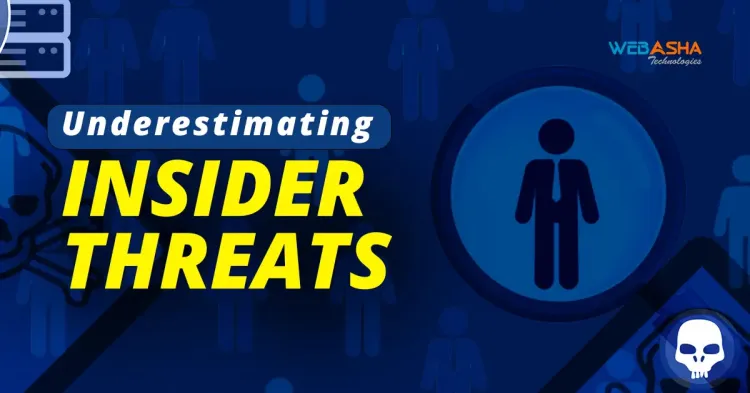
Insider threats, whether malicious or accidental, are often overlooked in cybersecurity strategies. Employees, contractors, or partners with access to sensitive data can unintentionally or deliberately cause security breaches.
How to Avoid It:
- Implement strict access controls, ensuring that only authorized personnel have access to sensitive information.
- Conduct regular cybersecurity training to educate employees about security best practices and the importance of safeguarding data.
- Monitor user activity and establish protocols for detecting and responding to unusual or unauthorized access attempts.
Conclusion
Avoiding these common cybersecurity mistakes requires a proactive approach to security. By strengthening password management, keeping software updated, being vigilant about phishing, backing up data regularly, and managing insider threats, you can significantly reduce your risk of cyberattacks. Stay informed, stay vigilant, and always prioritize cybersecurity in your digital strategy.
To take this further with guided labs and an instructor, see our learning cyber security step by step.
Related reading
- Ethical Hacking Training for Non-Tech Employees | Why It's Crucial for Business Security
- Can a Password Alone Stop Hackers? A Comprehensive Guide
- 10 Essential Cybersecurity Practices to Safeguard Your Digital Life
Reference
For the authoritative details, see CERT-In (India).
Frequently Asked Questions
What's Your Reaction?
 Like
0
Like
0
 Dislike
0
Dislike
0
 Love
0
Love
0
 Funny
0
Funny
0
 Wow
0
Wow
0
 Sad
0
Sad
0
 Angry
0
Angry
0

I am passionate about technology, invention and big challenging tasks on my to- do list. In terms of the work I am doing also at Bunnyshell, I am most passionate about the technologies that we are using., I'm devoted to delivering content that not only informs but also inspires. Whether you need in- depth analysis pieces, educational attendants, or study- provoking opinion pieces, I draft content that resonates with tech suckers and professionals likewise.












![Top 10 Famous Ethical Hackers in India [Updated 2026]](https://www.webasha.com/blog/uploads/images/202608/image_140x98_da23f65c290cfbf1237d77aec58a2f0f.jpg)