Welcome!

Unlock your personalized experience.
Sign Up
Tag

Security tools Articles, Guides & Tutorials

11 posts

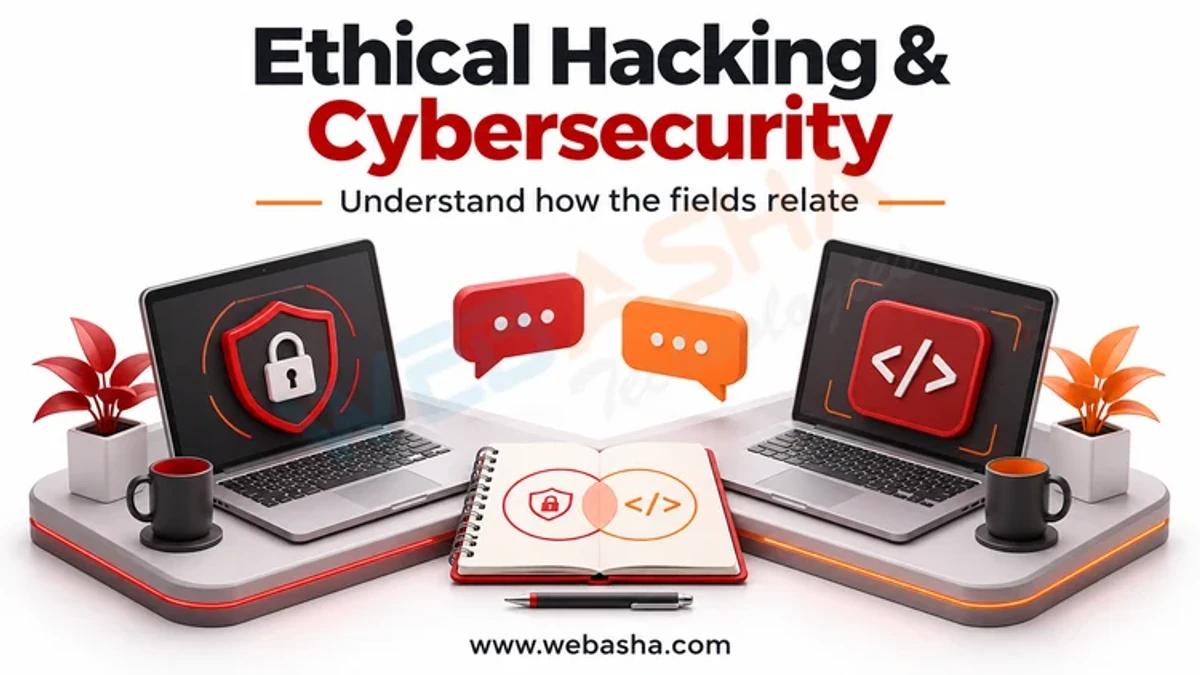
Ethical Hacking vs Cybersecurity: Scope, Roles and How They Differ

Cybersecurity is the whole discipline of protecting systems, networks and data. It covers governance, prevention, monitoring, incident response and recovery. Ethical hacking is one activity inside it: authorised testing that imitates an attacker to find weaknesses before a real one does. Every ethical hacker works in cybersecurity, but most cybersecurity professionals are not ethical hackers.


Penetration Testing Careers: Industries and Hiring Checks

Organisations across finance, software, retail, healthcare, public services and other sectors can need authorised security assessments, but an assessment need is not evidence of a current job opening. Investigate the systems involved, the consequences of testing and whether the work is performed internally or through a specialist provider. Then verify current vacancies and their requirements through the employer.

From Security Analyst to Junior Penetration Tester

Security analysis can provide useful system and evidence experience for a move towards penetration testing, but it is not a mandatory or automatic first step. Compare the actual tasks in analyst, vulnerability-management and junior testing vacancies, then identify the assessment planning, reporting and technical skills you still need. Seek supervised, authorised practice and describe your contribution accurately.

Do Penetration Testers Need Programming Knowledge?

You can start with systems and authorised exercises before writing substantial programs. Then learn to read a small script, predict its output and explain what it could change. Add programming when a real task needs it, such as checking the fields in an exported report. Python, shell languages, JavaScript and SQL support different work, so choose a useful task first.

Ethical Hacking Interviews: Explain Your Assessment Decisions

Prepare to explain how you would plan, check and report an authorised assessment. A useful interview answer connects a technical observation with the evidence needed to support it, the limits of that evidence and the next safe step. Practise on one fictional finding instead of memorising a long list of tools. Read the actual vacancy, prepare a concise lab example and ask how junior work is reviewed.

Gain Ethical Hacking Experience Through Approved Practice

Build practical experience by completing a small authorised exercise from brief to report and review. Use an explicit training environment, synthetic data and the provider's rules. Record what you were allowed to examine, what you observed and what you could not establish. Practise explaining a recommended fix and a safe retest plan.

How to Gain Hands-On Cybersecurity Experience Safely

Build hands-on cybersecurity experience through small authorised exercises with a clear question, known inputs and a result you can verify. Start with synthetic records, access reviews or an isolated training lab, then document what you did and what remains untested. A useful project shows your reasoning and corrections, not just installed tools.

Does Cybersecurity Require Coding? An Analyst Work Guide

Cybersecurity coding requirements depend on the work you will perform. An analyst may investigate alerts, explain business impact and follow an approved response procedure before writing any scripts. Scripting becomes useful when exports need checking or the same calculation keeps recurring. Read the job description and practise its actual tasks.

Ansible for Security Work: Check Scope Before Automation

Use Ansible for security work only after defining the authorised targets, permitted operations and review process. Begin with a local assertion over supplied variables so the policy can be inspected without installing tools or scanning systems. Check mode, credentials and inventory each need their own review.

Linux Security Interview Questions: Verify Effective Protection

Linux security interviews should test whether a protection is effective, not merely present in a configuration file. Explain the intended policy, actual running context, supported evidence and authorised change process. SSH settings, file modes, ACLs, mandatory access controls and package updates address different conditions.

VAPT Interview Tips for Clear Answers and Follow-Ups

For a VAPT interview, prepare a short explanation, a concrete example and the evidence limit behind each claim. Practise listening to a changed question instead of delivering a memorised tool list. Describe what you personally did in an authorised lab, distinguish an observation from demonstrated impact, and explain the proposed correction in terms the system owner can use.