Ethical Hacker Earnings in India: Compare Work and Costs
The highest-paid hackers in India, including Trishneet Arora, Anand Prakash, and Raghavendra Kumar, earn substantial salaries through bug bounty hunting, consulting, and cybersecurity training. Their success in the field is attributed to a combination of expertise, experience, and contributions to improving digital security. By pursuing relevant education, gaining practical experience, and building a reputation, aspiring hackers can also achieve financial success in the growing cybersecurity industry.
Topic: Ethical Hacking in Cybersecurity & Ethical Hacking · Explainer

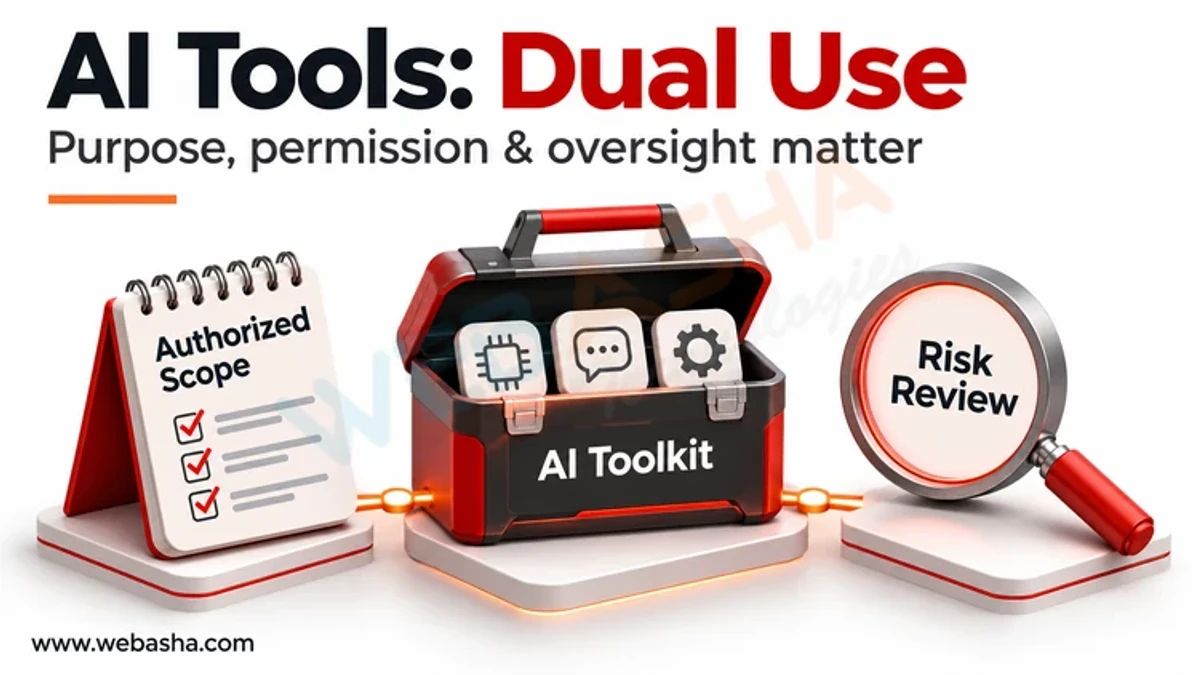
Quick answer: Ethical-hacking earnings depend on the work arrangement, responsibilities, evidence of skill and commercial terms. Employment, consulting, business revenue and bug-bounty rewards are different measures and should not be ranked as though they were the same income. Compare the actual role, paid and unpaid time, costs, benefits and payment conditions. Verify issuer and employer requirements separately, and treat publicity about a successful researcher as an individual account rather than a reliable earnings forecast for a beginner.
Key takeaways
- Distinguish salary, service revenue and individual bounty rewards.
- Compare the work and payment conditions before judging an opportunity.
- Include preparation, review and other unpaid time in the decision.
- Build evidence of a defined task and clear reporting.
- Check permission, issuer rules and employer criteria independently.
Table of Contents
- Why is a highest-paid hacker ranking hard to interpret?
- What should you examine in an employment offer?
- How should a consulting assignment be evaluated?
- Why are bounty rewards different from predictable pay?
- Which evidence can make a candidate's work easier to assess?
- How should you evaluate a course or credential expense?
- What should remain non-negotiable while seeking paid work?
- References
Why is a highest-paid hacker ranking hard to interpret?
A public award, company revenue figure and salary describe different things. A business may have operating costs and multiple owners, while a bounty may be a single payment rather than recurring income. Without comparable verified records and a defined period, those measures cannot establish a dependable national earnings ranking.
Fictional learner Karan sees three opportunities: a security-team job, a small consulting assignment and participation in a public reward programme. He writes down what each pays for and what information is missing. The NIST NICE Framework helps describe work through actual tasks and skills. Karan uses those responsibilities to compare opportunities instead of assuming that the most dramatic job title or public success story predicts his own outcome.
What should you examine in an employment offer?
Read the actual role, location or remote arrangement, working hours, reporting line and on-call expectations. Ask what evidence of skill is assessed and which eligibility conditions are mandatory. A job described as ethical hacking may include testing, remediation advice, reporting and retesting, with different levels of supervision.
The National Career Service provides an official Indian employment channel, but an individual vacancy still needs verification. Karan compares the proposed responsibilities and written offer terms. He distinguishes guaranteed components from conditional ones and asks how performance will be evaluated. Training completion does not establish eligibility for every employer, and a credential named in a vacancy should be checked against the role rather than treated as a universal entry rule.
| Work arrangement | What payment relates to | Questions before comparing |
|---|---|---|
| Employment | An agreed role under an offer | Responsibilities, hours, benefits and conditions |
| Consulting | A defined service or deliverable | Scope, review, retest and payment acceptance |
| Bug bounty | Eligible findings under programme rules | Coverage, duplicates, reward conditions and uncertainty |
| Security business | Revenue from customers | Operating costs, obligations and what reaches the individual |
How should a consulting assignment be evaluated?
Define the assets, permitted work, deliverables, reporting and acceptance criteria. Include time for preparation, customer questions and agreed retesting. A quoted project amount cannot be compared with recurring employment pay without understanding the work and costs behind it.
Karan's fictional assignment asks for a review note and one follow-up explanation. He checks whether additional systems or retests would be separately approved. He also asks who accepts the deliverable and when payment becomes due. Keep commercial acceptance separate from authority to test. An invoice or purchase order does not automatically grant permission for every action against a customer or its suppliers.
Why are bounty rewards different from predictable pay?
The official Google reward-programme rules define eligibility and programme boundaries. Microsoft bounty-programme guidance similarly connects rewards to programme scope and qualifying impact. Read the current terms for the exact programme; potential reward language is not a promise that every submission will receive payment.
Karan records uncertainty about duplicate findings, eligibility, evidence quality and time spent on unsuccessful work. A published success can demonstrate one researcher's outcome without revealing all the work that preceded it. He does not use exceptional awards as a household-income assumption. A reward programme also cannot authorise activity outside its policy or bind an unrelated third party.
Which evidence can make a candidate's work easier to assess?
Prepare a small authorised or synthetic report showing the observation, affected scope, supporting evidence and recommended next check. Explain the limitation and how a reviewer could reproduce the result. Keep real customer information and secrets out of a public portfolio.
Karan's fictional sample identifies a permission mismatch in invented records and explains why it needs owner review. A supervisor can assess the reasoning without needing access to a live target. The work shows a particular skill, not every capability required by a professional role. Ask for feedback about accuracy, clarity and judgement, then choose a follow-up exercise from the gaps the reviewer actually finds.
| Evidence item | What it can show | What it cannot establish |
|---|---|---|
| Synthetic report | Reasoning and communication for a defined task | Complete professional competence |
| Credential record | A particular issuer's assessment outcome | Permission to test another system |
| Public bounty acknowledgement | An individual recognised finding | Predictable future income |
| Employment offer | The agreed terms if accepted | A universal market salary or ranking |
How should you evaluate a course or credential expense?
Check whether the learning content and assessment fit the work you want to do. OffSec PEN-200 guidance describes its course and preparation expectations. ISC2 CISSP experience requirements show why sitting an assessment, holding a certification and satisfying experience conditions must be distinguished.
Karan asks for the full course and assessment terms, required preparation and ongoing obligations before treating a credential as an investment. He compares those costs with his available time and actual target roles. A credential may support a specific application, but it does not guarantee pay, exemption from employer criteria or success on a first attempt. Avoid choosing solely because a famous person holds it.
What should remain non-negotiable while seeking paid work?
Obtain appropriate permission and stay within the agreed scope. In India, Sections 43 and 66 of the IT Act address relevant unauthorised acts and dishonest or fraudulent conduct with different legal elements. Facts and applicable law matter; an earnings goal or research label does not create authority.
Karan's comparison ends with open questions about each opportunity, a realistic list of time and costs, and the next skill he needs to demonstrate. He seeks qualified advice for actual contracts, tax and legal obligations. The career decision can be reviewed from concrete terms and evidence without publishing unsupported income figures, invented personal biographies or a ranking that the available records cannot support.
Related reading: permission and scope decisions; a manageable learning backlog.
References
- NIST NICE Framework: tasks, knowledge and skills
- National Career Service: official employment services
- Google: official vulnerability reward programme rules
- Microsoft: bug bounty programmes and scope
- OffSec PEN-200 prerequisites and course
- ISC2: CISSP experience requirements
- India Code: Information Technology Act 2000
Frequently Asked Questions
What's Your Reaction?
 Like
0
 Dislike
0
 Love
0
 Funny
0
 Wow
0
 Sad
0
 Angry
0

Vaishnavi is a skilled tech professional at the Ethical Hacking Training Institute in Pune, responsible for managing and optimizing the technical infrastructure that supports advanced cybersecurity education. With deep expertise in network security, backend operations, and system performance, she ensures that practical labs, online modules, and assessments run smoothly and securely. Her behind-the-scenes contributions play a vital role in delivering a seamless and secure learning experience for aspiring ethical hackers.