
Welcome!

Unlock your personalized experience.
Sign Up
Tag

Cloud Computing Articles, Guides & Tutorials

28 posts Page 1 / 2

How IT Skills Widen Your Career Options, Inside or Outside IT

IT skills widen your career options in two ways. First, they open hybrid roles inside the field you already know, such as a finance professional who builds Power BI reports or an HR executive who runs the HR system. Second, they give you a base for a full move into IT support, security, cloud or data roles.
Ten Core IT Skills to Learn and the Evidence Behind Each

Ten core IT skills worth learning are Linux and operating systems, networking, scripting with Python, version control with Git, cloud fundamentals, security fundamentals, databases and SQL, containers and automation, data analysis, and AI literacy.

AWS Certification Options by Role: Which Exam Fits Your Job?

AWS certifications sit at four main levels: Foundational, Associate, Professional and Specialty, plus a new Business category. Match the exam to your role. Beginners and non-technical staff start with Cloud Practitioner or AI Practitioner. Architects take Solutions Architect Associate, then Professional. Developers take Developer Associate.

What an AWS Course in Pune Should Cover: A Syllabus Checklist

A good AWS course, in Pune or online, should cover the core building blocks first: the global infrastructure, IAM, EC2, storage with S3 and EBS, networking with VPC, databases such as RDS and DynamoDB, and monitoring with CloudWatch and CloudTrail. It should then add serverless with Lambda, containers, infrastructure as code with CloudFormation, and cost control with AWS Budgets.

Cross-Platform Compatibility: Why Software Breaks and How to Test It

Cross-platform software breaks because Windows, macOS and Linux disagree on small details. Paths use different separators, text files end lines differently, some file systems treat File.txt and file.txt as the same file, Windows reserves names such as CON and limits path length by default, and Unicode file names can be stored in different forms. Compiled code must also match the processor, such as x86-64 or ARM64.

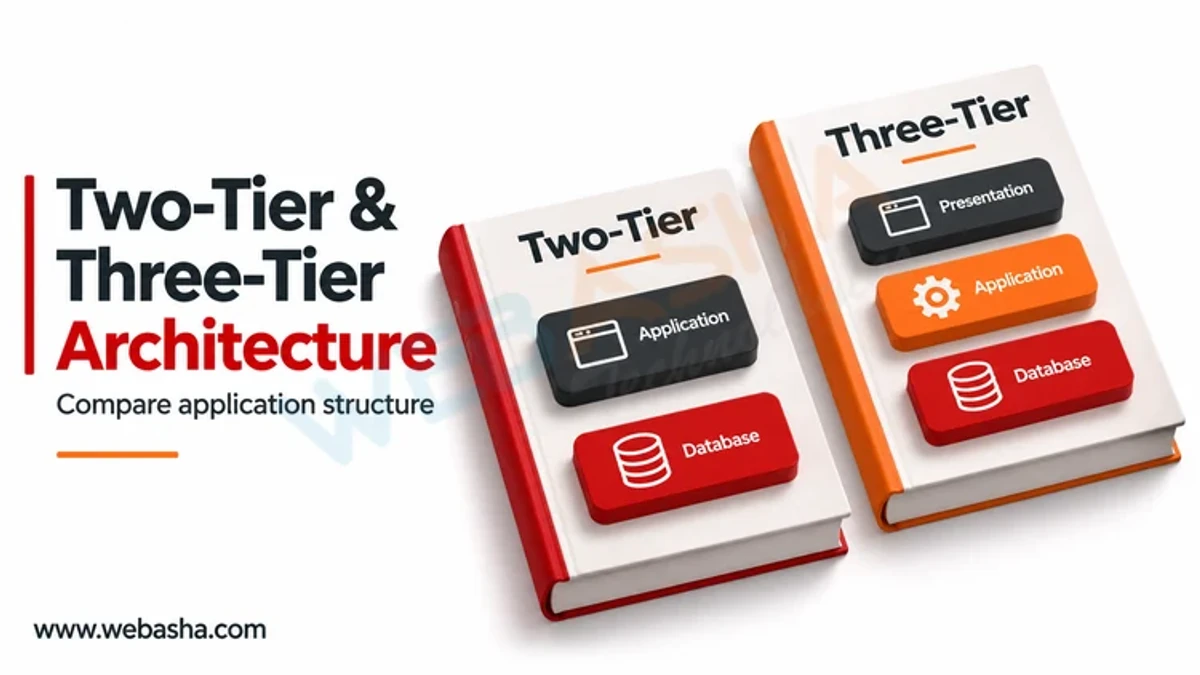
Two-Tier vs Three-Tier Architecture: Differences and When to Use Each

In a two-tier architecture, the client application talks directly to the database server, and business logic sits in the client, the database, or both. In a three-tier architecture, a middle application tier sits between the presentation tier and the data tier, so clients never touch the database. Two-tier is simpler and suits small internal apps with few users on a trusted network.

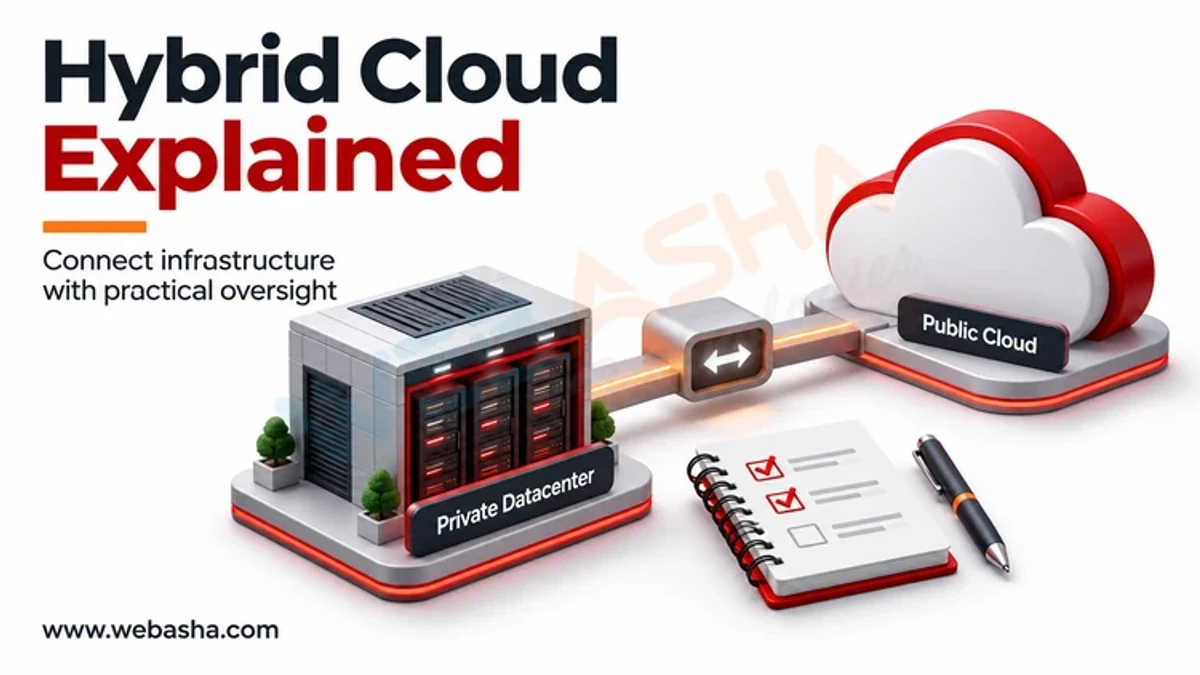
How Hybrid Cloud Helps Businesses: Benefits, Challenges and Security

A hybrid cloud combines two or more distinct cloud infrastructures, usually a private cloud or on-premises data centre with a public cloud, connected so that data and applications can move between them. This is how NIST SP 800-145 defines it. Businesses use hybrid cloud to keep sensitive or legacy systems in-house while using public cloud for elastic capacity, new services and disaster recovery.

Cloud Security Skills You Can Demonstrate With Clear Evidence

Start cloud security with skills that let you explain a request: who made it, which service it reached, what access was required and what evidence records the result. Add networking, data protection, monitoring and a small amount of automation on one platform. Demonstrate each skill through an annotated diagram, review or reproducible exercise.

Can You Learn Linux Administration Without IT Experience?

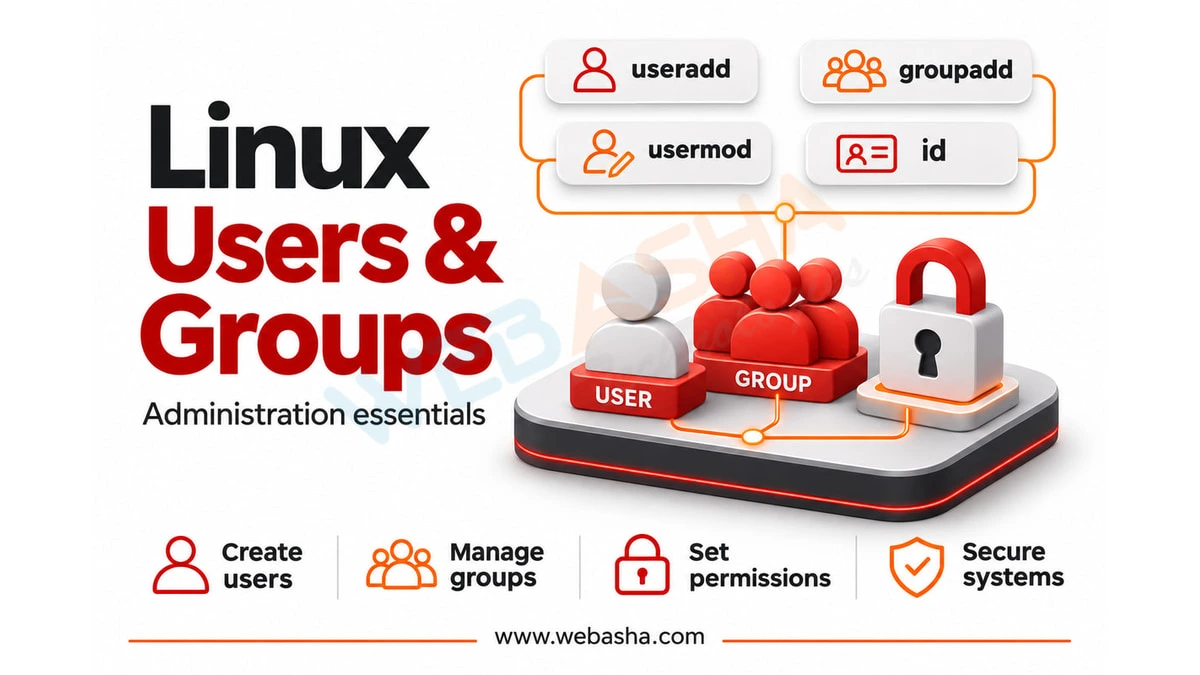
You can begin learning Linux without paid IT experience. Readiness for an administration job is a separate question: employers set their own qualifications, experience and responsibility requirements. Start with computer fundamentals and a controlled practice environment, then learn files, permissions, users, networks and service behaviour.

Become a Certified Linux Administrator: Plan Study and Assessment

To become certified in Linux administration, choose a specific issuer and credential, read its current objectives and rules, build the required skills, and complete the relevant assessment. There is no single universal Linux-administrator certificate or requirement covering every employer.

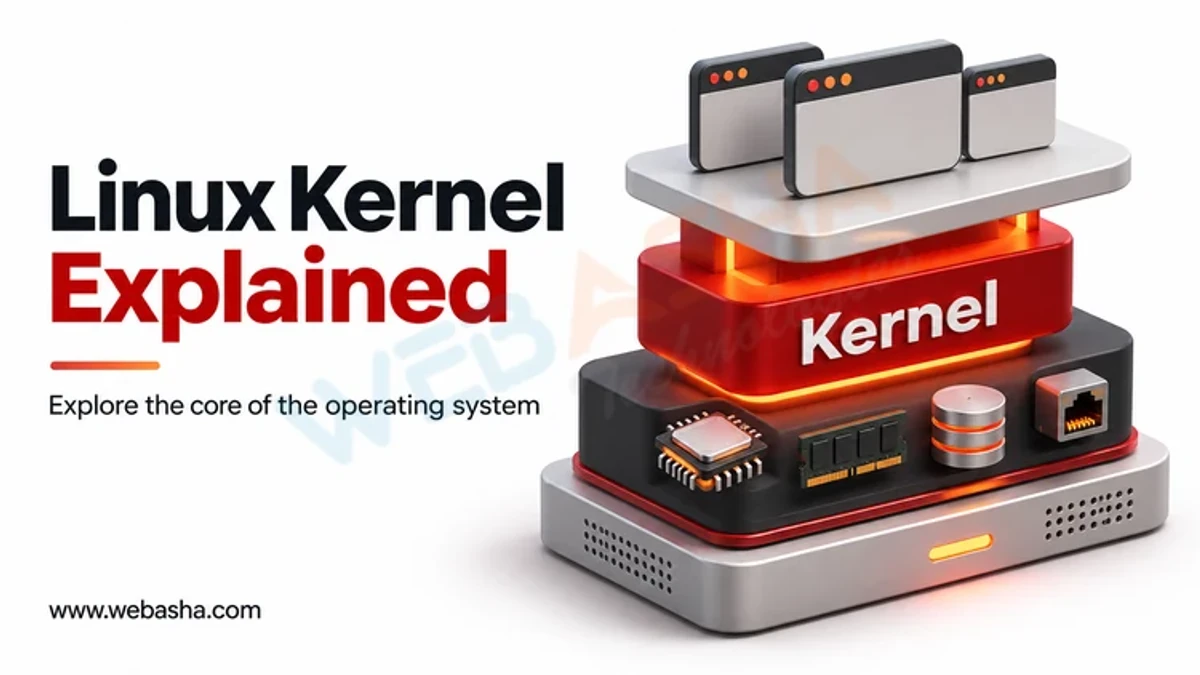
Become a Linux Administrator: Learn Through an Operations Task

Learn Linux administration by connecting foundational skills to work you can perform and verify in a controlled environment. Build command-line, access, software, services, networking, storage and recovery knowledge, then practise diagnosing a specific problem without making unrelated changes. Keep notes of the system version, observations and checks.

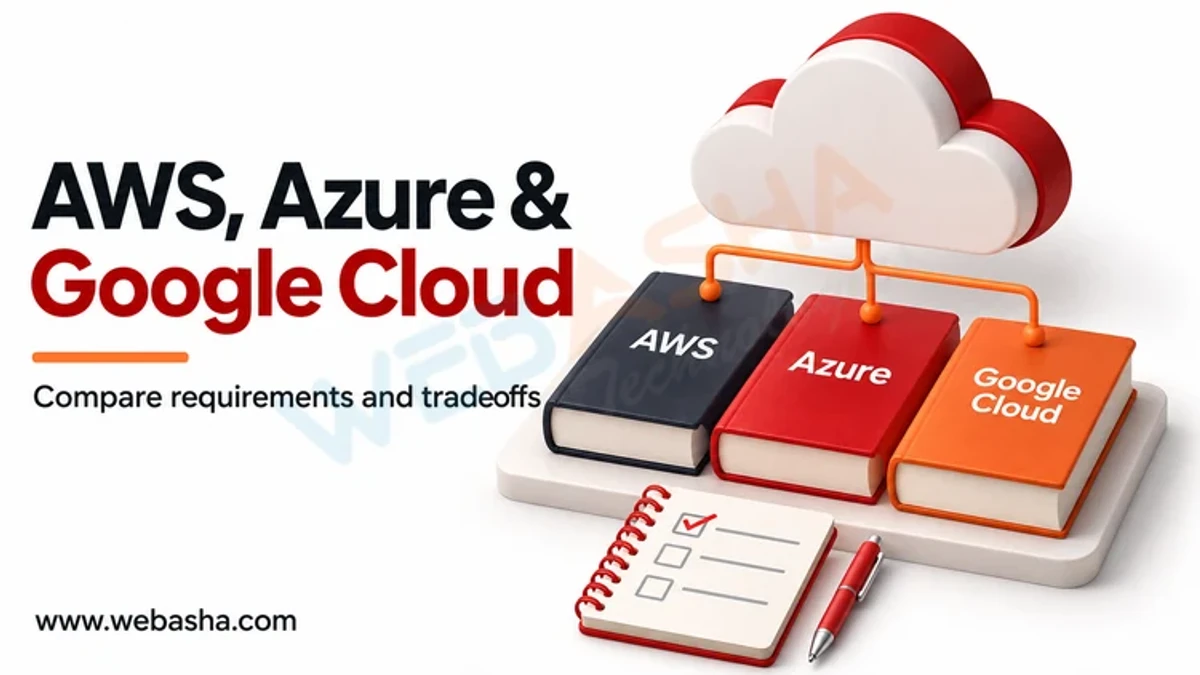
Online Cloud Administration Courses: Pick a Platform and Practice Plan

Choose a cloud-administration course by the platform and operational tasks you want to learn, then check prerequisites, lab arrangements and feedback. Official AWS, Microsoft and Google resources provide different starting points and certification paths. An associate-level credential is not automatically an introduction for someone without computing foundations.

Cloud Administrator Certifications: Build a Role-Based Shortlist

Choose a cloud administrator certification by the work and provider in a relevant vacancy. Compare operations-focused objectives with your current knowledge, recommended experience and renewal responsibilities. AWS CloudOps Engineer Associate, Azure Administrator Associate and Google Associate Cloud Engineer address different environments. None is a universal requirement for every cloud administration role.