Welcome!

Unlock your personalized experience.
Sign Up
Tag

Cybersecurity for beginners Articles, Guides & Tutorials - Page 2

35 posts Page 2 / 3

How Long Does It Take to Learn Cybersecurity?

There is no single defensible duration for learning cybersecurity, because the goal, starting knowledge, study capacity and required level of independence differ. Estimating time for a specific task is more useful than promising mastery or job readiness within a fixed number of months. Try a small learning unit, record the time and help needed, then plan the next stage with review and revision time included.
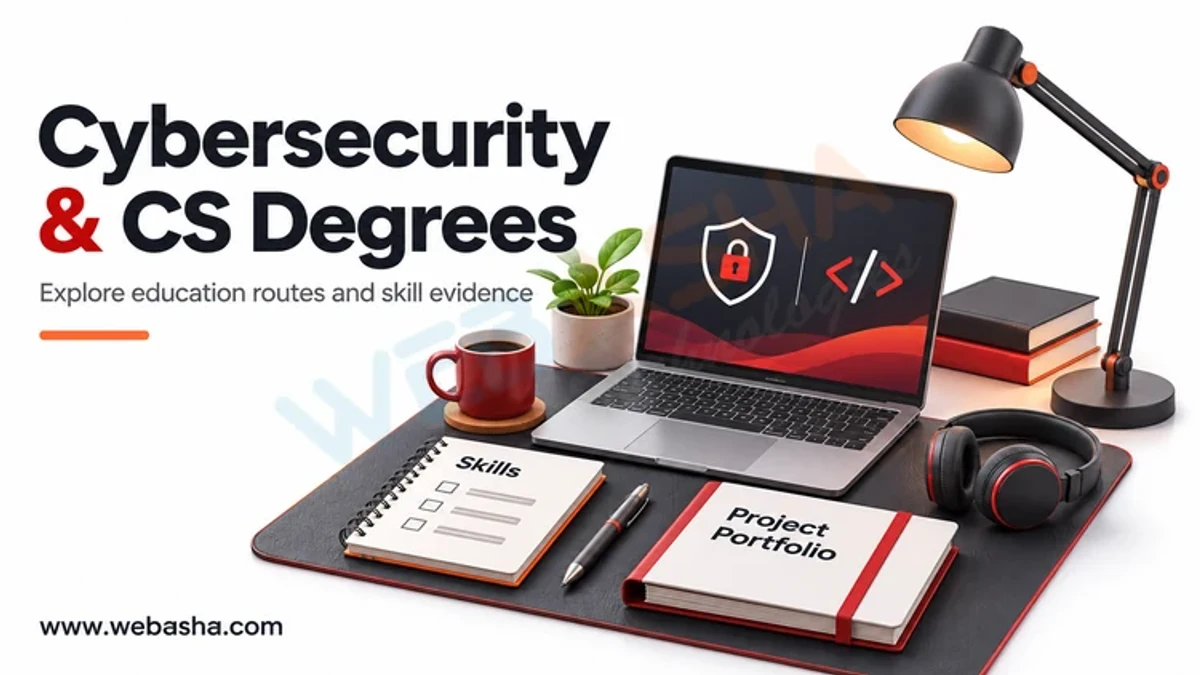

Do You Need a Computer Science Degree for Cybersecurity?

A computer science degree is one possible route into cybersecurity learning and employment, but there is no single education rule covering every role. Check the mandatory criteria of the specific employer or programme and compare them with your qualifications. A degree can provide structured foundations, while independent study, relevant work and assessed credentials can support other routes where accepted.

Becoming a Cybersecurity Analyst With No IT Experience

Start preparing for analyst work by learning how systems produce events and how to distinguish observations from conclusions. Build basic account, network and operating-system knowledge, then practise with synthetic records or an explicitly authorised lab. Document a timeline, possible explanations, missing information and an appropriate escalation.

Preparing for a First Cybersecurity Job Application

Prepare a first cybersecurity application by connecting each relevant role requirement to evidence you can explain honestly. Choose a small project, document its scope, show how you interpreted the result and identify the help or feedback used. Practise responding to a changed input or a question about uncertainty before presenting the work as a capability.

Which Cybersecurity Field Is Easiest to Enter?

There is no cybersecurity field with the lowest entry barrier for everyone. Compare the requirements of actual roles with your present capabilities, formal eligibility and working constraints. A support professional, graduate and career changer may face different gaps even when investigating the same title.

Learning Cybersecurity in Three Months: A Defensive Study Plan

Use three months as a planning window for a small foundation project, not a promise of mastery or employment. Spend the first part understanding systems and requests, the next part interpreting safe example data and controls, and the final part producing a reviewed report. Choose a weekly workload you can sustain and repeat topics when their prerequisites remain unclear.

Which Programming Language Fits Your Cybersecurity Task?

Choose a programming language by the system and data you need to understand. Python can help process local structured records; Bash and PowerShell support their respective shell workflows; JavaScript helps explain browser behaviour; SQL helps query relational data. A specialist task may require deeper language or systems knowledge.

Is Coding Required for Cybersecurity? Check the Actual Task

Coding requirements depend on the work, system and expected independence of a role. Read the task list and ask whether you must run an established query, understand a supplied script, modify automation or build new software. Those are different capabilities. You can start learning suitable security foundations before mastering programming, then add the depth required by your chosen work.

Is Cybersecurity Hard for Beginners? Find the Specific Gap

Cybersecurity can feel difficult when a lesson combines unfamiliar systems, setup steps and security concepts. Identify which part is blocking you instead of treating every failed exercise as a judgement about your ability. Ask whether the problem is a missing prerequisite, an environment mismatch, unclear instructions or an unsupported interpretation.

Getting Cybersecurity Experience Before Your First Security Job

Start with a small learning task you can explain, then seek a clearly approved opportunity to observe or assist with related work. A private lab, supervised exercise and assigned workplace task provide different kinds of experience. Record which one you completed, what you contributed and who reviewed it. Before handling real systems or information, agree the owner, permitted access, output and stop conditions.

Cybersecurity Certification Study for a Non-IT Background

A non-IT learner should choose a certification study plan that teaches unfamiliar concepts, provides suitable practice and checks understanding before an examination booking. Start with the published objectives and sample teaching, then identify which prerequisites need separate instruction. Foundation credentials such as ISC2 CC and Cisco CCST Cybersecurity cover different scopes from specialist testing assessments.

Can a Non-Technical Person Learn Cybersecurity Concepts?

A non-technical person can begin learning cybersecurity through concrete accounts, devices, information and everyday decisions. Start by understanding normal behaviour, then connect security terms to the thing being protected and the person responsible. Add network, operating-system and programming depth as the chosen task requires it.

Is Coding Compulsory for Cybersecurity? Check the Actual Rule

Coding is not a single compulsory gate for every cybersecurity learning activity, assessment or job. Check the exact course prerequisites, examination objectives and vacancy requirements instead of treating those decisions as one rule. A resource may welcome a beginner while a later task requires code reading, queries or independent automation. Ask who sets the condition and what evidence of capability is accepted.

How Can a Fresher Join Cybersecurity? Practical First Steps

A fresher can prepare for cybersecurity applications by choosing a specific responsibility, checking its entry conditions and assembling honest evidence of relevant learning. Apply through verified channels, follow assessment rules and ask about supervision before accepting operational duties. An offer and a training certificate are different outcomes, so avoid depending on a course's hiring promise.

Which Cybersecurity Field Is Easier to Study for You?

No cybersecurity field is universally easiest to study or enter. Compare the tasks with your existing foundations, preferred learning format and available support. A familiar business process may help you understand a risk discussion while leaving technical evidence unfamiliar; programming experience may help with an application exercise while leaving operational judgement new.

Is Cybersecurity Tough to Study? Troubleshoot a Stuck Exercise

Cybersecurity study can be difficult when an exercise assumes an unfamiliar concept, the environment differs from the instructions or the result is interpreted too quickly. Break the problem into the task, expected behaviour, actual result and first unexplained step. Check a small case against the relevant documentation and ask a focused question with synthetic data.