Welcome!

Unlock your personalized experience.
Sign Up
Tag

Future of AI in cybersecurity Articles, Guides & Tutorials

14 posts

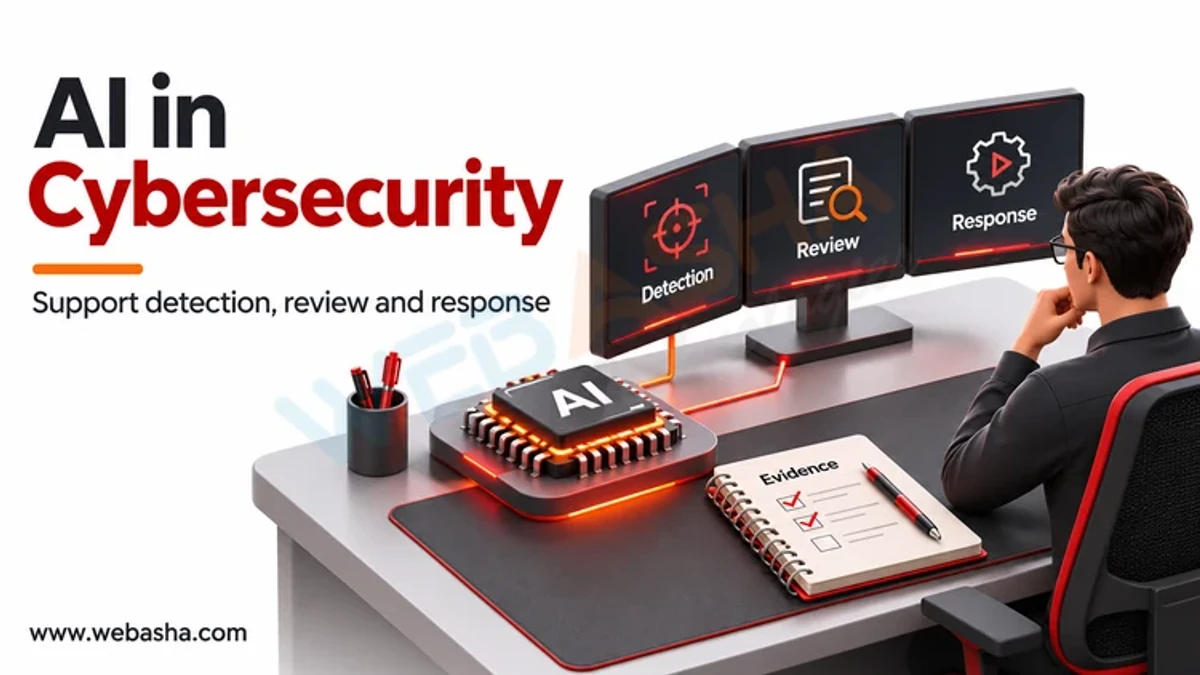
AI for Threat Detection and Response: How It Works in a SOC

In a security operations centre (SOC), AI helps at each step of handling an alert. Machine learning models flag unusual logins, traffic and process behaviour that fixed rules miss. Scoring and correlation group related alerts into one incident so analysts see fewer, richer cases. Generative AI summarises evidence and drafts investigation notes.
Can AI Predict Cyber Attacks? The Limits of Base Rates and Alerts

AI can estimate which vulnerabilities are likely to be exploited, which assets are most exposed and which activity looks unusual, but it cannot reliably predict a specific attack before it happens. The main obstacle is the base rate: real attacks are rare compared with normal events, so even an accurate model produces many more false alarms than true detections.

Can AI Prevent Identity Theft? What It Can and Cannot Do

AI can reduce identity theft but cannot prevent it alone. Banks and lenders use machine learning to spot synthetic identities, mismatched documents, unusual application patterns and account takeovers, and to flag risky logins. AI cannot stop your data from leaking, and it may miss a fraudster with your real documents and a convincing story.

How AI Analyses Dark Web Forum Language and Threat Actor Profiles

AI helps threat intelligence teams read large volumes of underground forum posts that no human team could cover. Natural language processing (NLP) translates posts, decodes criminal slang, groups threads by topic, and pulls out entities such as malware names, targeted sectors and claimed victims.

Automation in Penetration Testing: What to Automate and What Not To

Automate the repeatable parts of a penetration test: asset discovery within scope, vulnerability scanning, checking known issues, evidence capture and report formatting. Use AI as an assistant for triage, research and drafting. Keep humans in charge of scoping, deciding what to test next, exploiting anything, chaining findings, judging business impact and talking to the client.

AI in Security Assessments for Compliance: Scoping, Evidence, Reports

AI can make compliance-driven security assessments faster by summarising asset inventories for scoping, mapping findings to control requirements, organising evidence and drafting reports. It cannot take responsibility for the result. Standards such as PCI DSS and ISO 27001 expect testing by qualified people using a defined method, with traceable evidence.

How AI Is Making Cyber Threat Intelligence Smarter: STIX to Review

AI makes cyber threat intelligence smarter mainly by handling the tedious parts of production. It reads incoming reports, extracts indicators and behaviours, converts them into structured formats such as STIX 2.1, enriches them with context, removes duplicates and suggests MITRE ATT&CK mappings. That frees analysts to judge relevance, confidence and impact for their own organisation. AI does not decide what is true.

Which Cybersecurity Tasks Should You Automate First?

Automate first the security tasks that are frequent, repetitive, low risk if they go wrong and easy to measure. For most organisations that order is: asset inventory, patching of known exploited vulnerabilities, log collection, alert enrichment and first-pass triage, then routine reporting. These tasks consume analyst time every day and follow clear rules, so automation gives quick, visible gains.

Future of Automated Penetration Testing: Continuous Testing and BAS

Automated penetration testing is moving from occasional projects towards continuous checks. The main tool for this is breach and attack simulation (BAS): software that safely replays known attacker behaviours, usually mapped to MITRE ATT&CK, and records whether your controls blocked, detected or missed them. Open frameworks such as MITRE Caldera and Atomic Red Team let teams do the same in a more hands-on way.

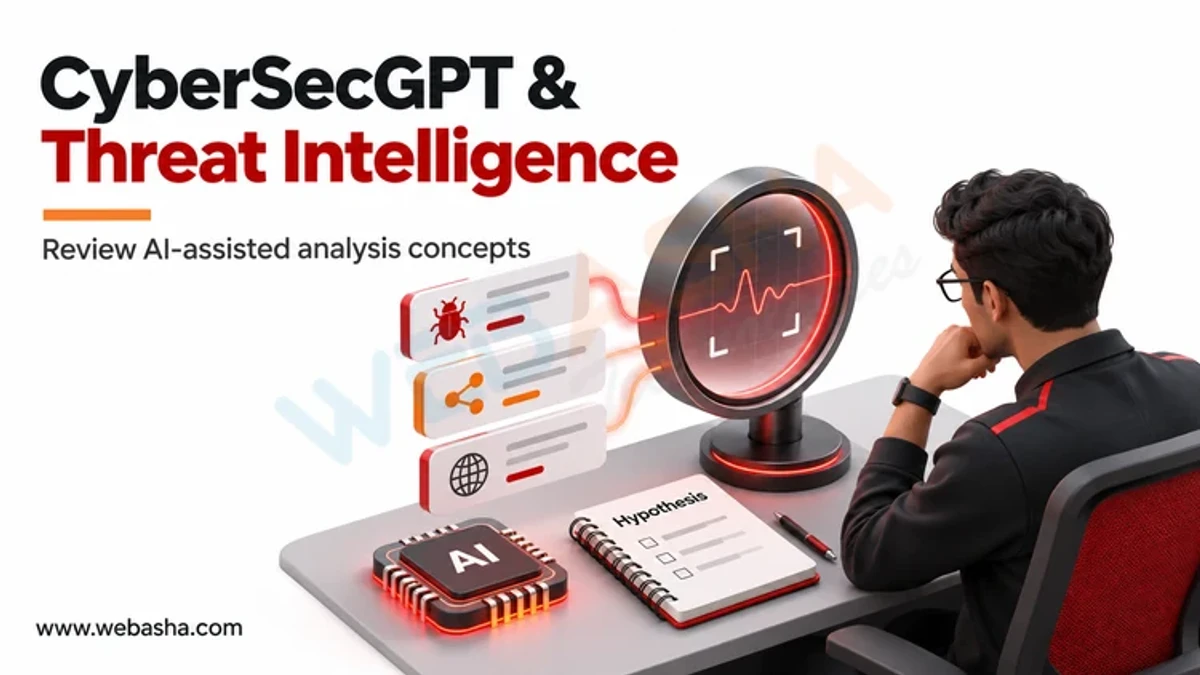
CyberSecGPT in Threat Intelligence: What Is Verified and What Is Not

We could not verify that CyberSecGPT exists as a documented threat intelligence product. A search found only several unrelated custom chatbots and directory listings with similar names, none with a known vendor, documentation or evidence of real-time detection. Claims that it detects, prevents and mitigates threats in real time should therefore be treated as unproven.

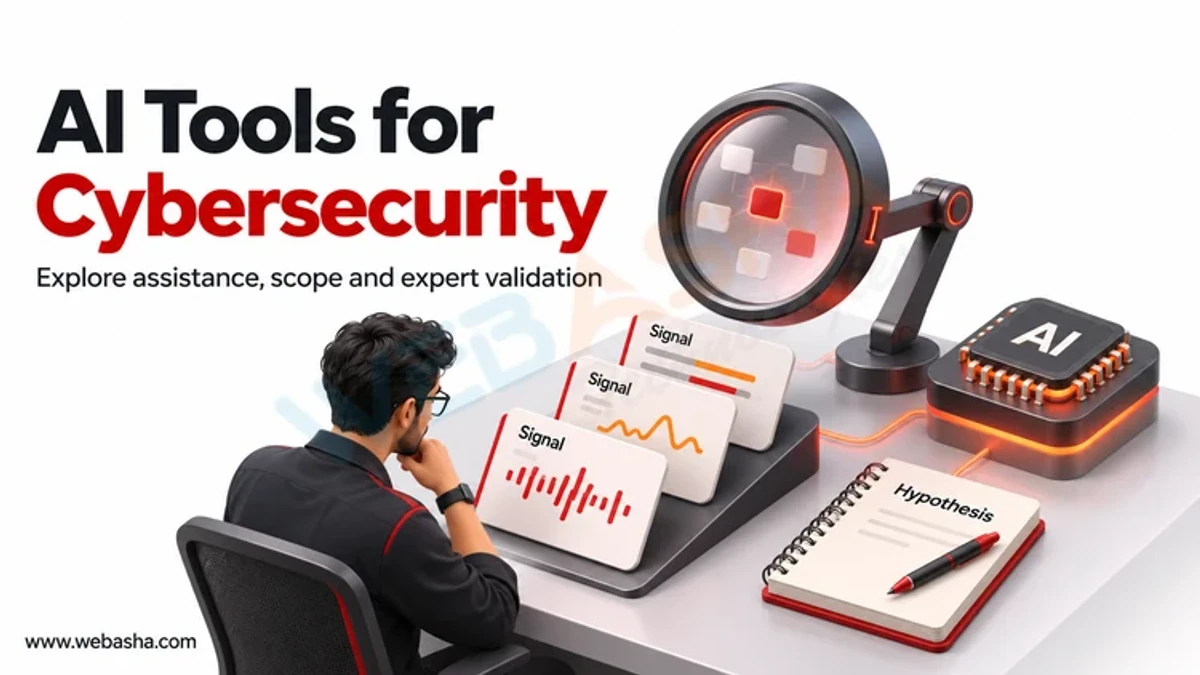
AI Tools for Cybersecurity and Ethical Hacking: A Guide by Task

AI tools help cybersecurity teams in specific tasks rather than everywhere at once. The clearest uses are triaging alerts in a SOC, summarising threat intelligence, explaining suspicious code or malware, reviewing source code for security flaws, supporting authorised penetration testers with notes and explanations, and drafting reports and awareness content.

AI in Cybersecurity: Measure Detection Errors Before Deployment

AI can help classify security observations and prioritise review, but its usefulness depends on data, task definitions and measured errors. Evaluate both false alarms and missed cases on appropriate labelled material, then check analyst workload and the consequences of proposed actions. A good result on one dataset does not establish performance in another environment.