Welcome!

Unlock your personalized experience.
Sign Up
Tag

CEH Articles, Guides & Tutorials

25 posts Page 1 / 2

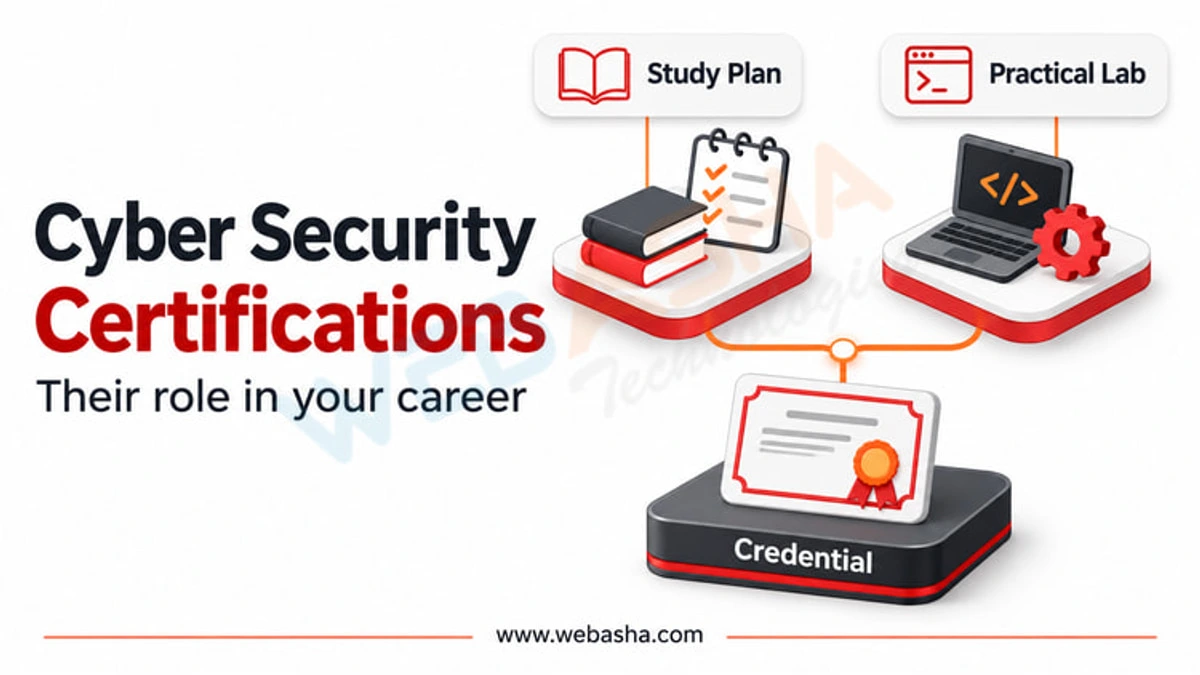
Why Certifications Matter in a Cyber Security Career, and Which Ones

Certifications matter in cyber security because they give employers and clients a common, independent check that you know a defined body of material, and in many cases that you can perform hands-on tasks under exam conditions. They help most when you are starting out, changing roles, or bidding for work where clients or regulators ask for named credentials.

How to Start a Career in Cybersecurity From Scratch

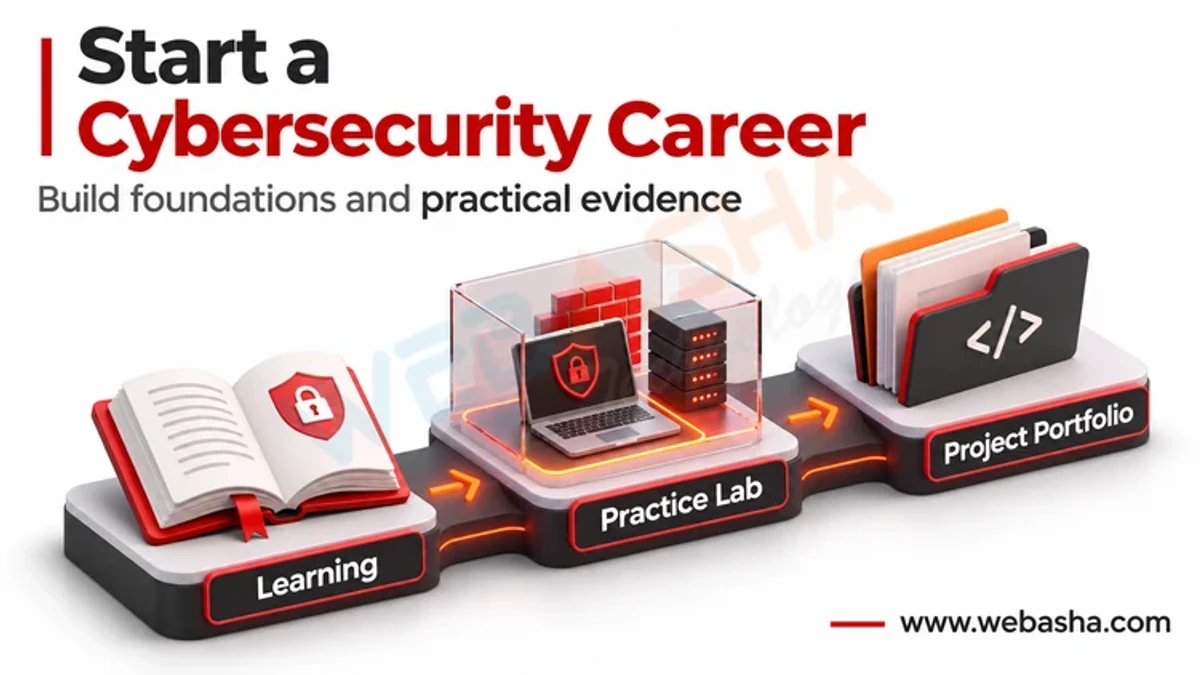
To start a cybersecurity career from scratch, first build IT foundations: how computers, operating systems and networks work, plus basic Linux and scripting. Then learn security fundamentals such as threats, authentication, encryption and common attacks.

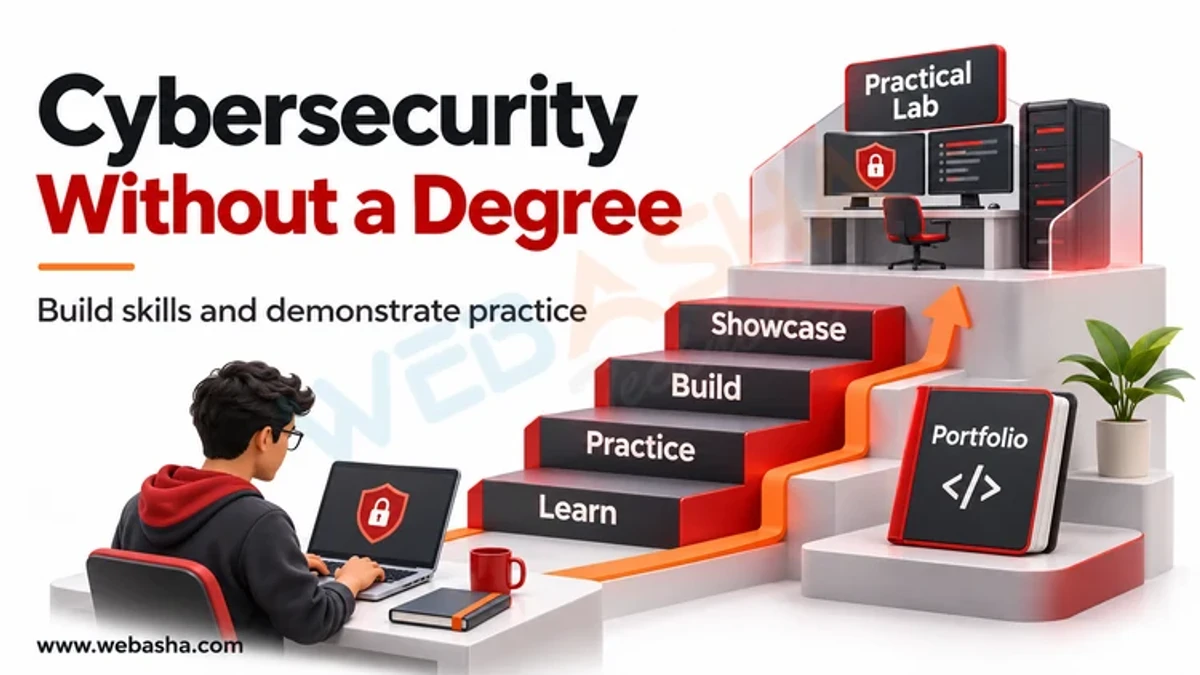
How to Get Into Cybersecurity Without a Degree: A Complete Guide

You can enter cybersecurity without a degree by building provable skills instead of formal qualifications. Learn networking, Linux, Windows and security basics, earn an entry certification such as ISC2 Certified in Cybersecurity (CC) or CompTIA Security+, practise in a legal home lab, and publish a portfolio of write-ups and projects.

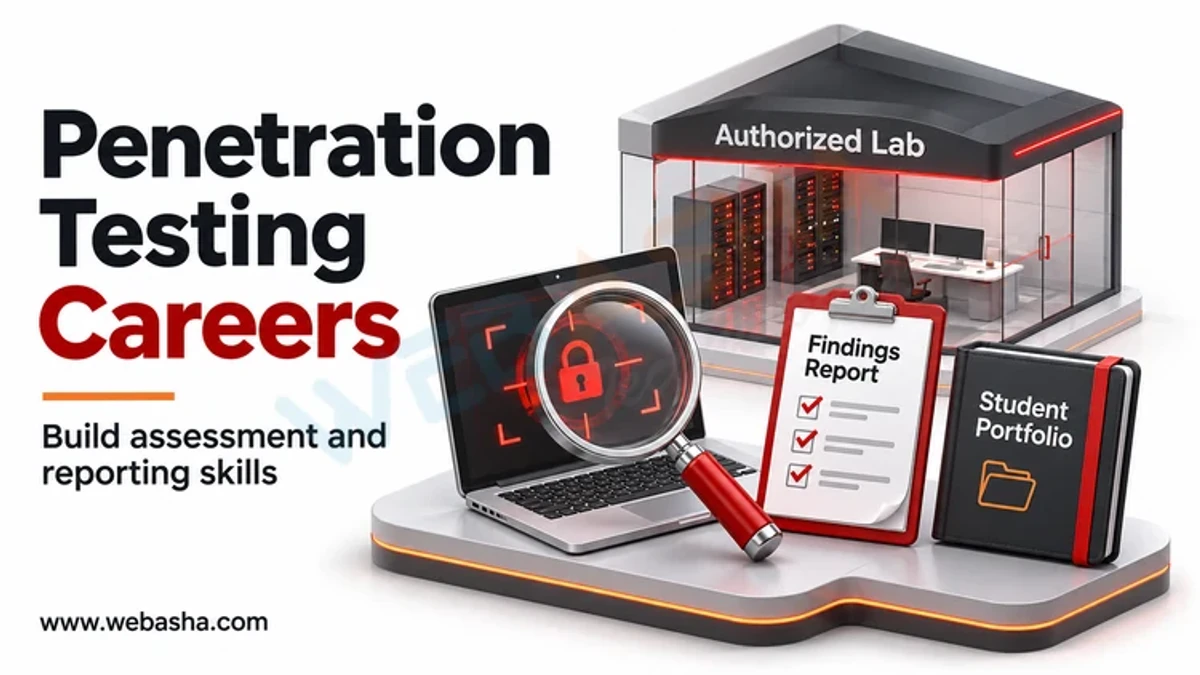
Penetration Tester Careers: Skills, Tools, Certifications and Paths

A penetration tester is a security professional who is paid and authorised to test systems the way an attacker would, then report weaknesses and fixes. The NIST NICE Framework describes this kind of work under vulnerability assessment and offensive security roles. Core skills include networking, Linux and Windows administration, web application security, Active Directory, scripting and clear report writing.

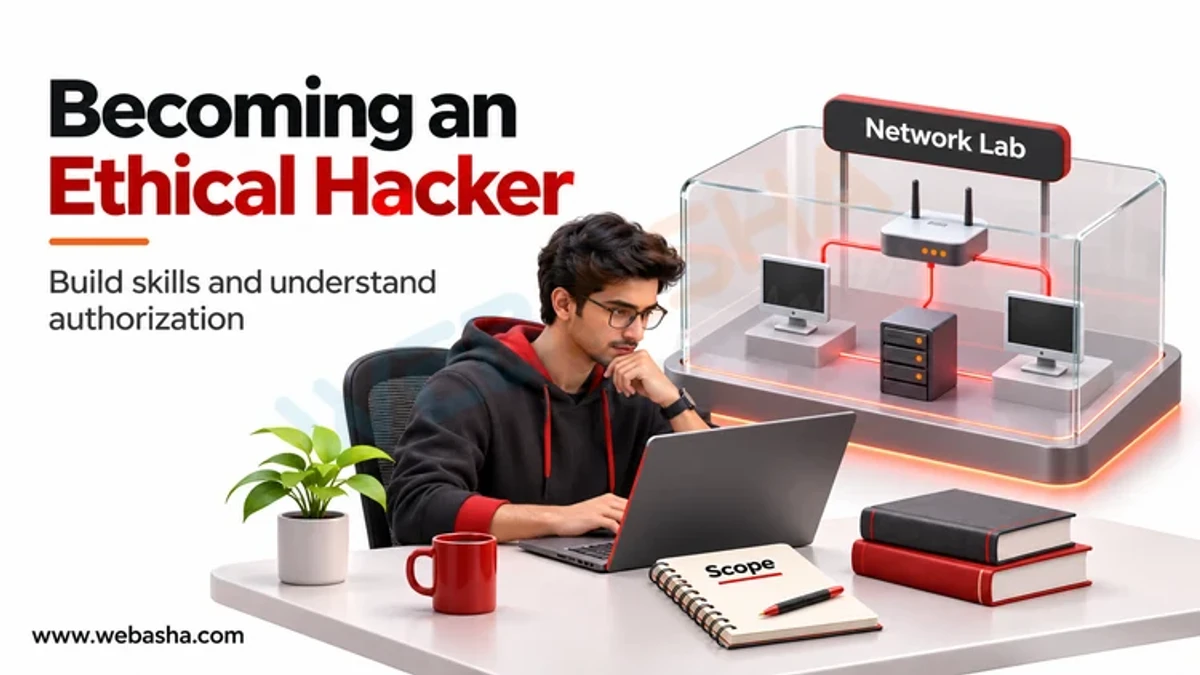
How to Become an Ethical Hacker Legally in India

To become an ethical hacker legally in India, test only systems you own or have written permission to test. Under the IT Act 2000, accessing a computer without the owner's permission can lead to compensation claims under Section 43 and criminal charges under Section 66 when done dishonestly or fraudulently. Practise in your own lab and on intentionally vulnerable training platforms.

Ethical Hacking Certifications for Beginners: A Practical Guide

Beginners usually start with a foundation certificate, then add one hands-on ethical hacking certificate. Common foundations are ISC2 Certified in Cybersecurity (CC) and CompTIA Security+, whose new V8 exam SY0-801 has a launch date of 17 November 2026. Entry-level hacking options include INE eJPT, a practical exam expanded to 45 questions in March 2026, CompTIA PenTest+ (exam PT0-003) and EC-Council CEH v13.

How to Move from IT Support to Ethical Hacking: A Practical Path

IT support is a sound base for ethical hacking because you already know how users, devices, accounts and networks behave in a real organisation. To move across, deepen four areas: networking, Linux, scripting and web application basics. Then learn a testing methodology, practise in a home lab or on legal practice platforms, and document what you do.

Non-Technical Skills for Ethical Hackers: Reporting, Ethics and Law

Beyond technical ability, an ethical hacker needs five non-technical skills. Report writing: describing each finding, its impact and its fix so that someone can act on it. Communication: explaining risk to managers and details to engineers. Scoping: agreeing in writing what will be tested, when and how. Ethics: confidentiality, honesty about results and staying inside the agreed scope.

Can You Become an Ethical Hacker Without a Computer Science Degree?

Yes. No law, and no major entry-level certification, requires a computer science degree to work as an ethical hacker. What a degree does is signal to an employer that you have covered the fundamentals. Without it, you have to send that signal another way: a portfolio of lab write-ups, a sample penetration test report, one relevant certification and, where possible, related work experience in IT. Be realistic as well.

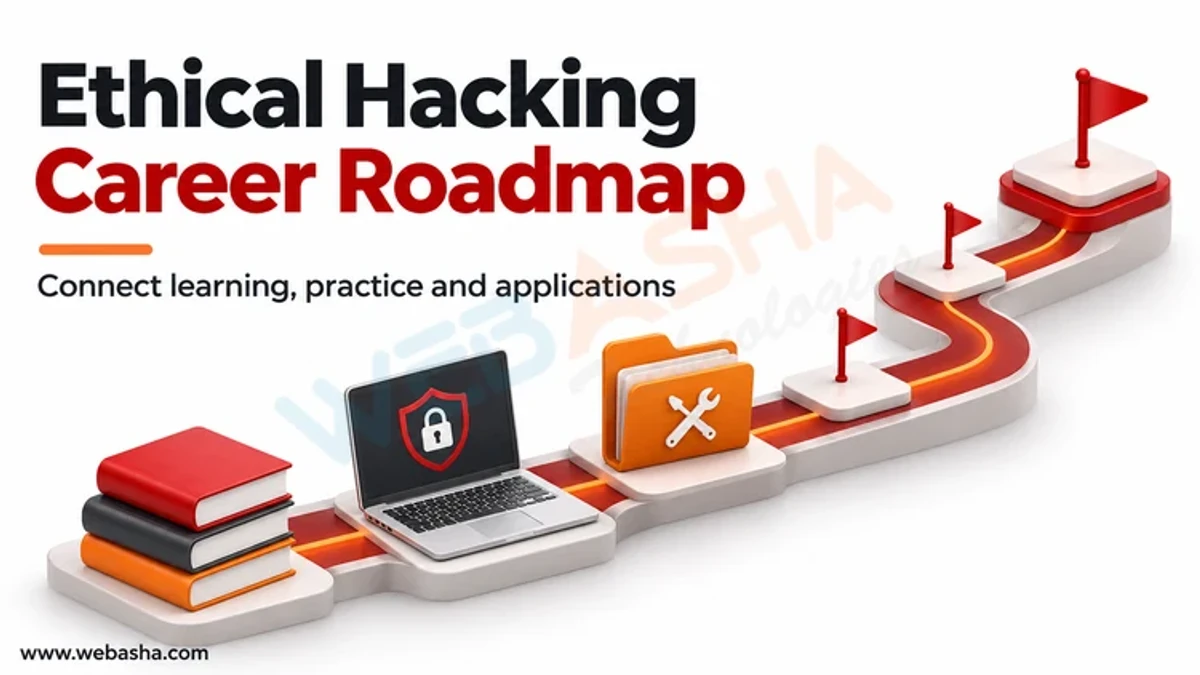
Ethical Hacking Career Roadmap for Beginners: Five Clear Stages

A beginner's ethical hacking roadmap has five stages. First, build IT foundations: networking, Linux, Windows and basic scripting. Second, learn security fundamentals and the law on authorised testing. Third, practise testing methods in your own lab, using public guides from OWASP and NIST. Fourth, earn one certification that fits your target role and assemble a portfolio of written reports.

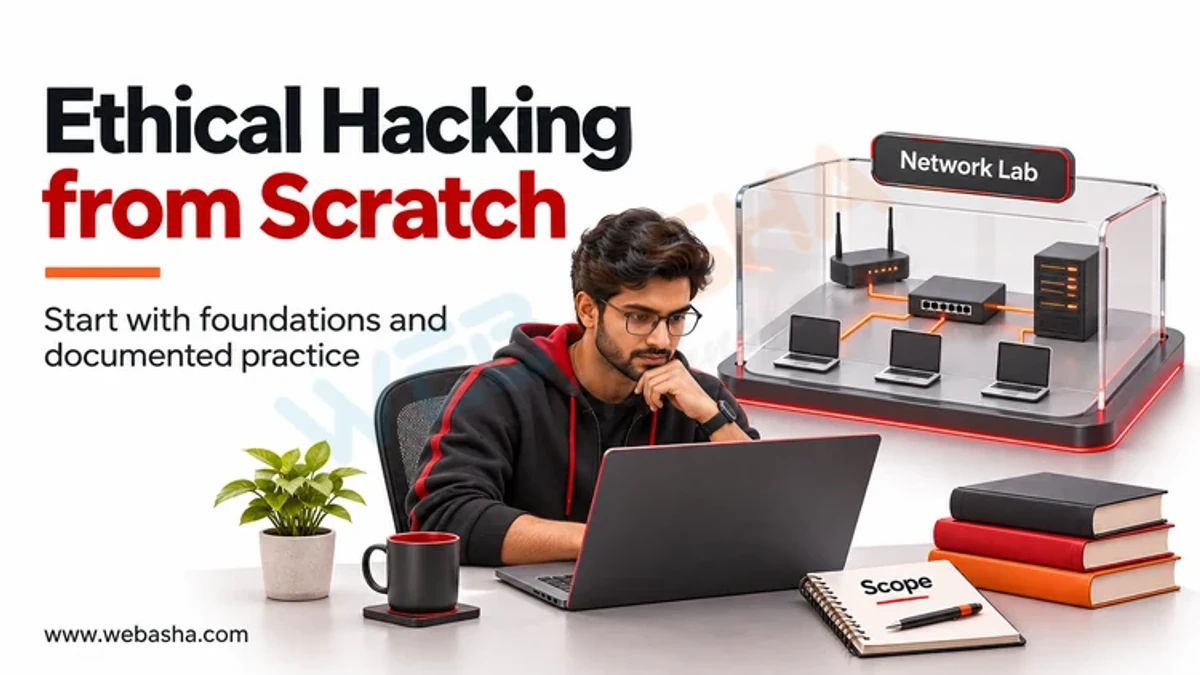
How to Start an Ethical Hacking Career from Scratch

Start an ethical hacking career by identifying the work you want to do, checking your computing foundations and building evidence through authorised practice. Learn networks, operating systems, web behaviour and basic scripting before relying on security tools. Produce a small assessment report, seek feedback and compare your skills with real entry requirements.

Is Ethical Hacking Hard to Learn? How to Diagnose the Difficulty

Ethical hacking can be difficult because it combines computing foundations, unfamiliar tools and judgement about incomplete evidence. The difficulty is usually easier to manage when you identify the exact obstacle: a networking gap, a Linux problem, an unclear web concept or an exercise that is too advanced. Reduce the task, practise with feedback and repeat it independently.

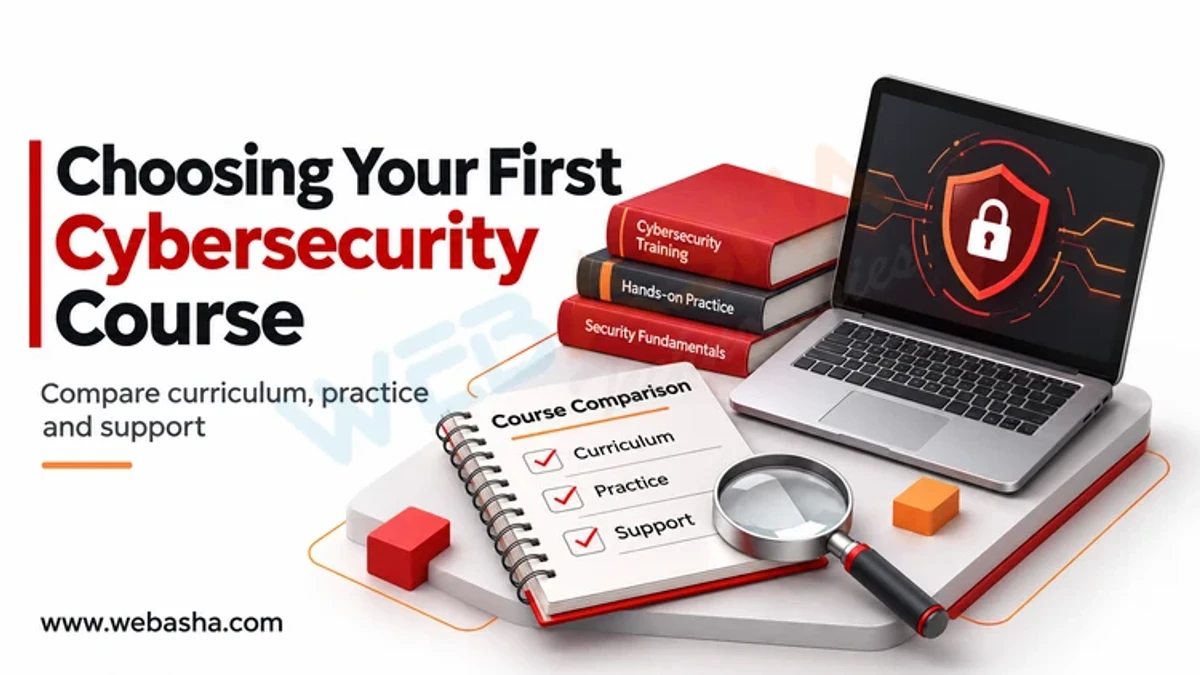
Which Cybersecurity Course Should You Start With?

Start with the course that teaches the first missing foundation in the task you want to learn. If accounts, files or browser requests are unfamiliar, choose computing or network foundations before a specialist security lab. If those concepts are familiar, compare introductory security instruction and a small authorised exercise with feedback. Try a sample lesson before paying for a large package.

How to Present Penetration Testing Skills With Evidence

Present penetration testing skills through a small set of permitted, well-explained assessment examples. Show the question, authorised scope, evidence, interpretation, limitations and proposed remediation, then distinguish your contribution from templates or guidance. A certification can document a defined assessment outcome, while a project lets a reviewer inspect your reasoning.