Welcome!

Unlock your personalized experience.
Sign Up
Tag

Digital Evidence Analysis Articles, Guides & Tutorials

3 posts

Digital Forensics Practice: Build a Repeatable Small Case

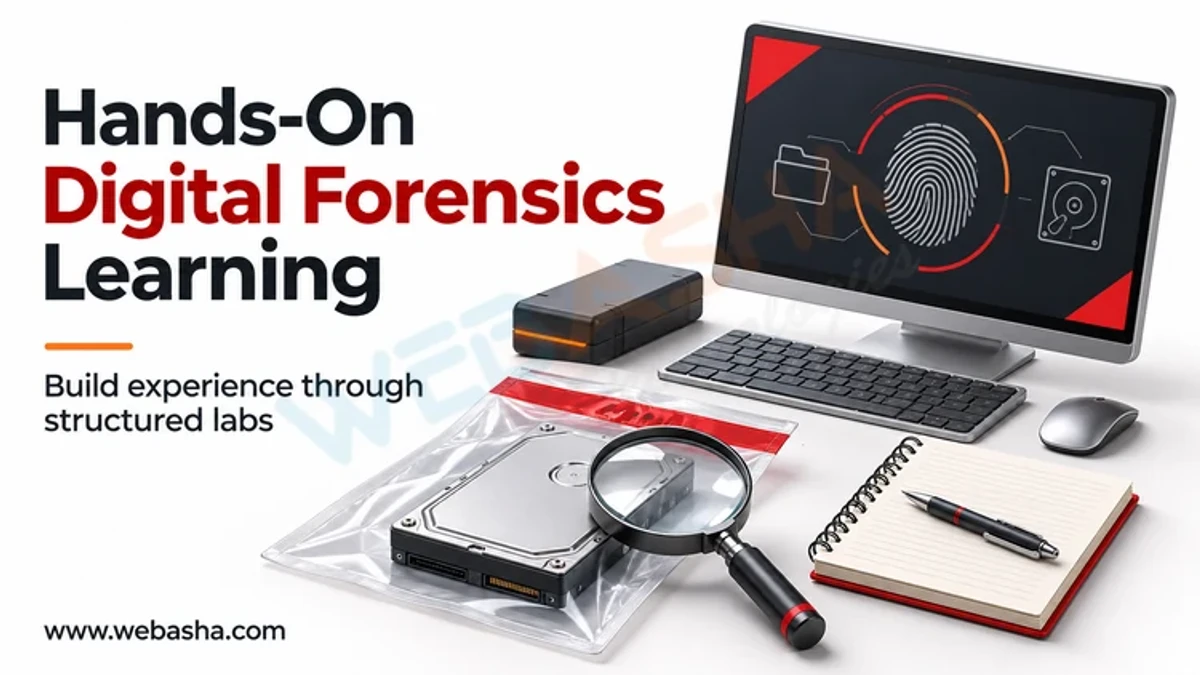
Gain digital forensics practice with documented training data, a clear question and a record another learner can follow. Begin with a small synthetic exercise before downloading large disk images. Preserve your starting material, analyse a working copy, compare results with known contents and write down what remains uncertain. A hash comparison is a useful first lesson because it makes byte changes visible.
Programming for Digital Forensics: Start With Timestamps

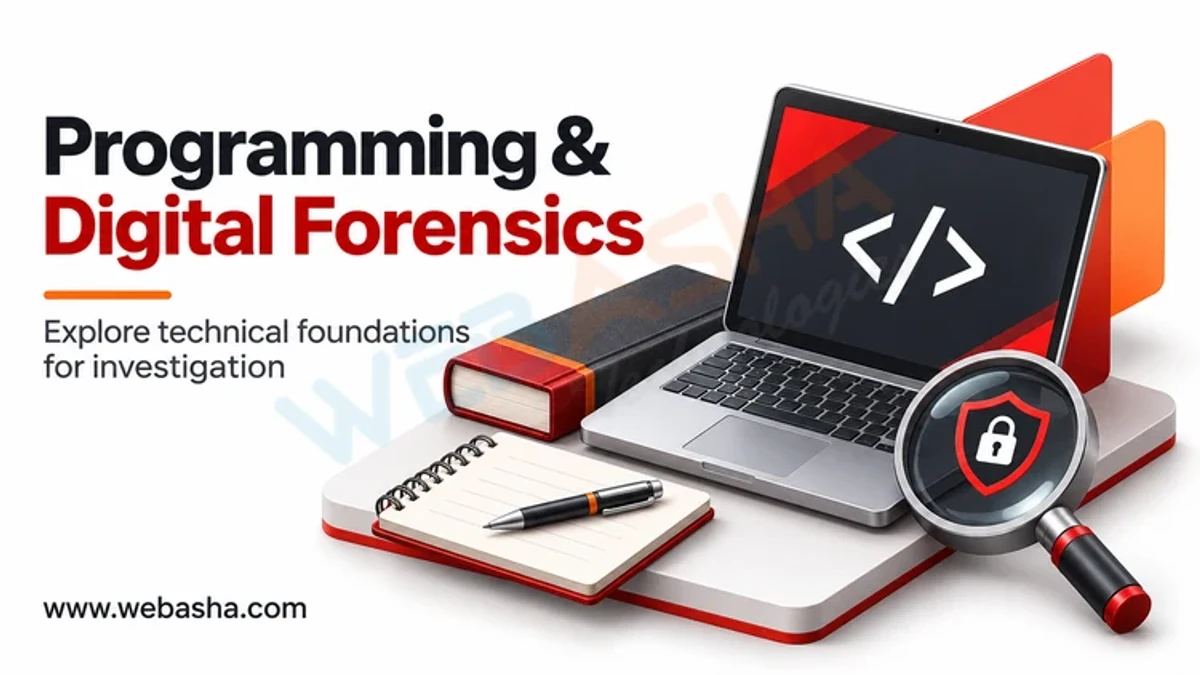
Programming helps digital forensic work when it makes a bounded task easier to repeat and inspect. Start with operating-system and data-format knowledge, then use a small script for a task such as normalising an approved timestamp export. Preserve the original values, test expected and unexpected inputs, and explain the output’s limits. Coding requirements differ across forensic disciplines and roles.

How to Become a Forensic Investigator: Choose Your Specialism

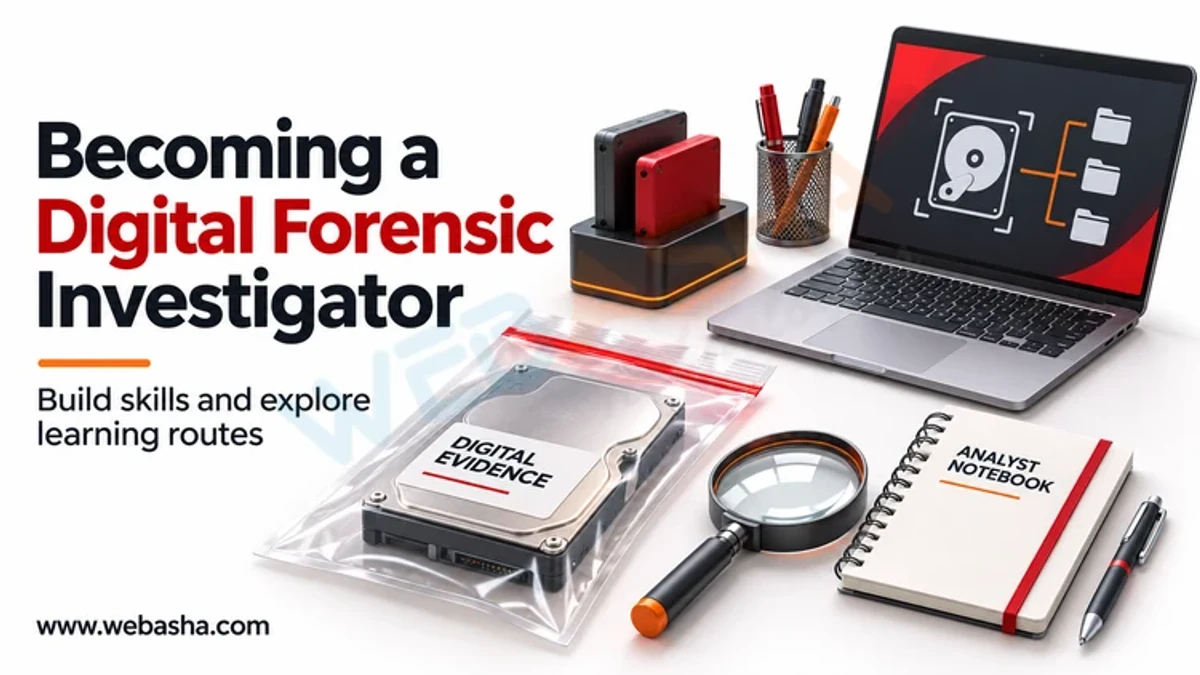
Start by identifying which kind of forensic work you mean. Laboratory forensic science, crime-scene work and digital investigation involve different evidence, education and employment rules. For a digital route, build computing foundations, learn authorised evidence handling and practise explaining a finding using safe reference material. Check the actual programme or vacancy before buying specialist training.