

Welcome!

Unlock your personalized experience.
Sign Up
Tag

Polymorphic malware Articles, Guides & Tutorials

7 posts

AI-Powered Cyber Threats and Defensive AI: What Is Really Changing

AI is making existing attacks faster, cheaper and more convincing rather than creating entirely new ones. Government and industry reports describe attackers using generative AI to write phishing messages in any language, research targets, debug malicious code, create fake profiles and clone voices for fraud.
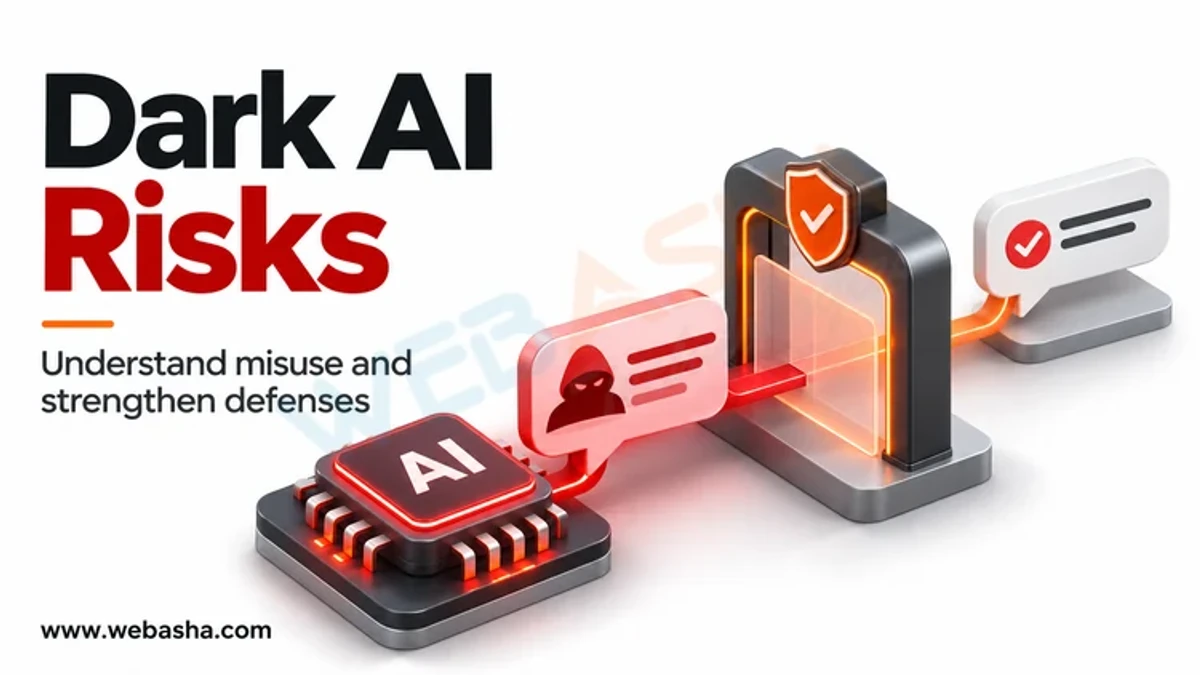

Dark AI in Cybersecurity: How Malicious Machine Learning Fuels Threats

Dark AI means machine learning used with malicious intent, or machine learning systems that are themselves attacked. On the weapon side, the UK NCSC assesses that AI will increase the volume and impact of cyber attacks, mainly by improving reconnaissance and social engineering rather than inventing new attack types.

AI in Hacking: Deepfakes, Auto-Phishing and AI Cybercrime Explained

AI cybercrime uses artificial intelligence to make familiar crimes more convincing: deepfake videos and cloned voices for fraud and extortion, non-consensual synthetic sexual images, automated phishing at scale, and fake identities and documents. The FBI described these patterns in a December 2024 warning.

How Hackers Use AI: Techniques Behind Modern Cybercrime and Defences

Hackers use AI for six main techniques: writing convincing phishing messages, impersonating people with cloned voices or deepfake video, creating synthetic identities and documents, getting help with code and scripts, attacking company AI apps through prompt injection, and poisoning data that models learn from. Each has a matching defence. Phishing-resistant MFA and reporting buttons counter AI phishing.

What Is Dark AI? Criminal Chatbots and How Platforms Fight Them

Dark AI usually means AI models that criminals abuse or market for crime. That covers chatbots sold on criminal forums under names like WormGPT and FraudGPT, jailbreak prompts that trick mainstream assistants, stolen API keys used to bypass safety checks, and open models stripped of safeguards.

What Is a Polymorphic Virus and How Do Defenders Detect It?

A polymorphic virus is malicious code that changes how it looks each time it copies itself, while its behaviour stays the same. It usually does this by encrypting its main body with a new key and wrapping it in a decryptor that is rewritten on every infection. Because the file bytes differ each time, a single fixed signature cannot match every copy.