Welcome!

Unlock your personalized experience.
Sign Up
Tag

Zero Trust security Articles, Guides & Tutorials

15 posts

Malware Threats Today: Key Trends and Protection Strategies

The malware threats that matter most today are ransomware combined with data theft, infostealers that harvest browser passwords and session cookies, fake verification pages that trick users into pasting commands, abuse of legitimate remote access tools, and malware delivered through exploited internet-facing devices.


Inside Illusive: How Deception Technology Traps Attackers

Illusive was an Israeli security company known for deception technology: it planted fake credentials, connections and files on real endpoints so that an attacker moving through a network would touch something no legitimate user ever uses, which triggers a high-confidence alert.

Security Engineer Role Profile: Daily Tasks, Skills and Certifications

A security engineer designs, builds and maintains the controls that protect an organisation's systems: firewalls, identity and access controls, hardened servers, logging pipelines, cloud guardrails and secure build processes. In the NIST NICE Framework (Components v2.2.0) the work maps mainly to Cybersecurity Architecture (DD-WRL-001), Secure Systems Development (DD-WRL-004) and Infrastructure Support (PD-WRL-004).

AI for Threat Detection and Response: How It Works in a SOC

In a security operations centre (SOC), AI helps at each step of handling an alert. Machine learning models flag unusual logins, traffic and process behaviour that fixed rules miss. Scoring and correlation group related alerts into one incident so analysts see fewer, richer cases. Generative AI summarises evidence and drafts investigation notes.

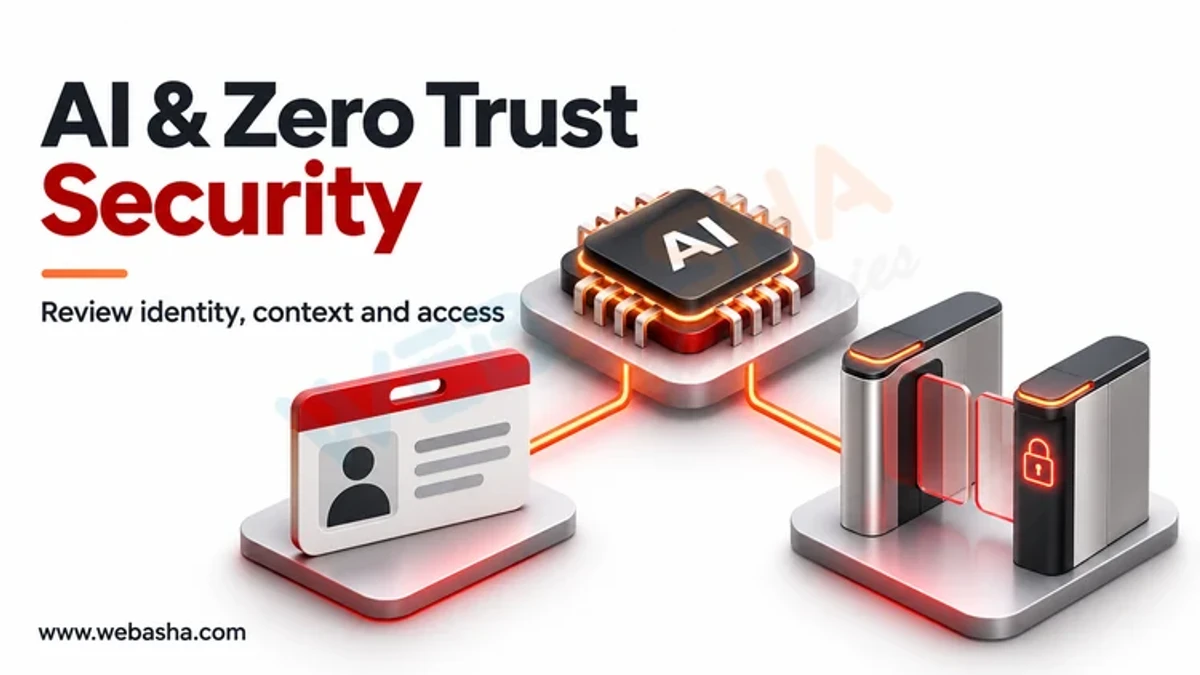
AI and Zero Trust: Risk-Based Access Control Without the Hype

Zero trust means no user, device or network location is trusted by default; every request is checked against policy using current signals. NIST SP 800-207 places this decision in a policy engine that runs a trust algorithm. AI can feed that engine better signals, such as a risk score for a sign-in that looks like credential theft, or unusual data access by a device.

Security Features in Modern Operating Systems: Windows, macOS, Linux

Modern operating systems protect data in layers. Secure Boot checks that startup code is signed before it runs, and a TPM or similar chip stores keys and measurements of the boot process. Virtualisation-based security in Windows 11 isolates sensitive processes from the rest of the system. Memory protections and a shift to memory-safe languages make bugs harder to exploit.

AI in Zero Trust: Where Machine Learning Fits in the Policy Engine

In a zero trust architecture as defined by NIST SP 800-207, every access request goes to a policy decision point (PDP), made of a policy engine and a policy administrator, and is enforced by a policy enforcement point (PEP). Machine learning fits best inside the policy engine's trust algorithm, as one input that scores risk from signals such as unusual sign-in location, device posture drift or abnormal data access.

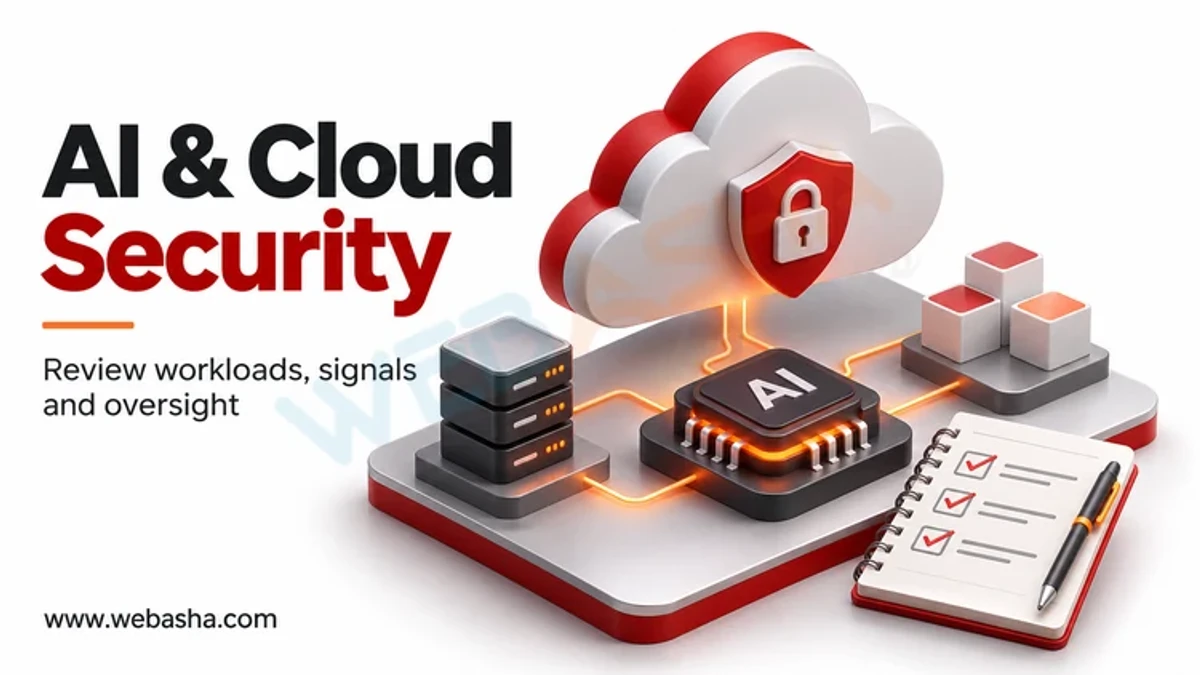
Cloud Security Problems AI Cannot Fix: Misconfiguration and Identity

AI helps cloud security teams summarise alerts, spot unusual API activity and explain configurations, but it does not fix the problems behind most cloud incidents. Those are misconfigured storage and network rules, over-privileged identities and keys, leaked secrets, missing logs, and unclear ownership under the shared responsibility model. These are governance and engineering problems.

AI-Generated Phishing Emails: How Attackers Use Them and How to Detect

Attackers use AI to write phishing emails that are fluent, personalised, translated into any language and varied enough that each copy looks different to filters. The FBI has warned that generative AI helps criminals remove the usual red flags, and a 2024 study found fully automated AI spear phishing matched human experts in click rate.

AI-Generated Phishing Emails: What Agencies Report and How to Defend

AI-generated phishing emails are messages written or polished with generative AI so they read fluently, match a target's language and look personal. The FBI's December 2024 public service announcement warns that criminals use generative AI to remove the spelling and grammar mistakes that once exposed scams, and to add cloned voices, fake images and forged documents.

Continuous Verification in Zero Trust: Where Risk Scoring Helps

Continuous verification means access is not decided once at login. A zero trust policy engine keeps re-checking signals such as device health, location, user behaviour and threat intelligence, and can step up authentication or cut a session when risk rises. Risk scoring, often driven by machine learning, helps by combining many weak signals into one decision and by reacting faster than a human.

Zero Trust Security: Follow One Access Decision End to End

Zero Trust focuses access decisions on the resource, identity and relevant context instead of granting implicit trust because a request comes from inside a network. Authentication, device information, permissions and enforcement must work together under a defined policy. Start with one important application and explain who may perform which operation, under what conditions and with what evidence.

Protecting Personal Data: Security Controls and Everyday Decisions

Protect personal data by understanding where it is collected, who can use it, where copies go and when each copy should be retained or removed. Authentication, access controls, encryption, supported software, monitoring and tested recovery address different risks. Privacy also requires attention to the purpose and consequences of legitimate processing. A secure database can still hold unnecessary information.

Advanced Cybersecurity Interview Questions on Design Trade-offs

Advanced cybersecurity interview answers should explain a design decision, its alternatives and the evidence needed to accept it. Use the original multi-tenant export-service questions below to discuss authorization, workload identity, retries, cryptographic boundaries and useful telemetry. Preserve legitimate work while limiting what a failure or compromised component can affect.